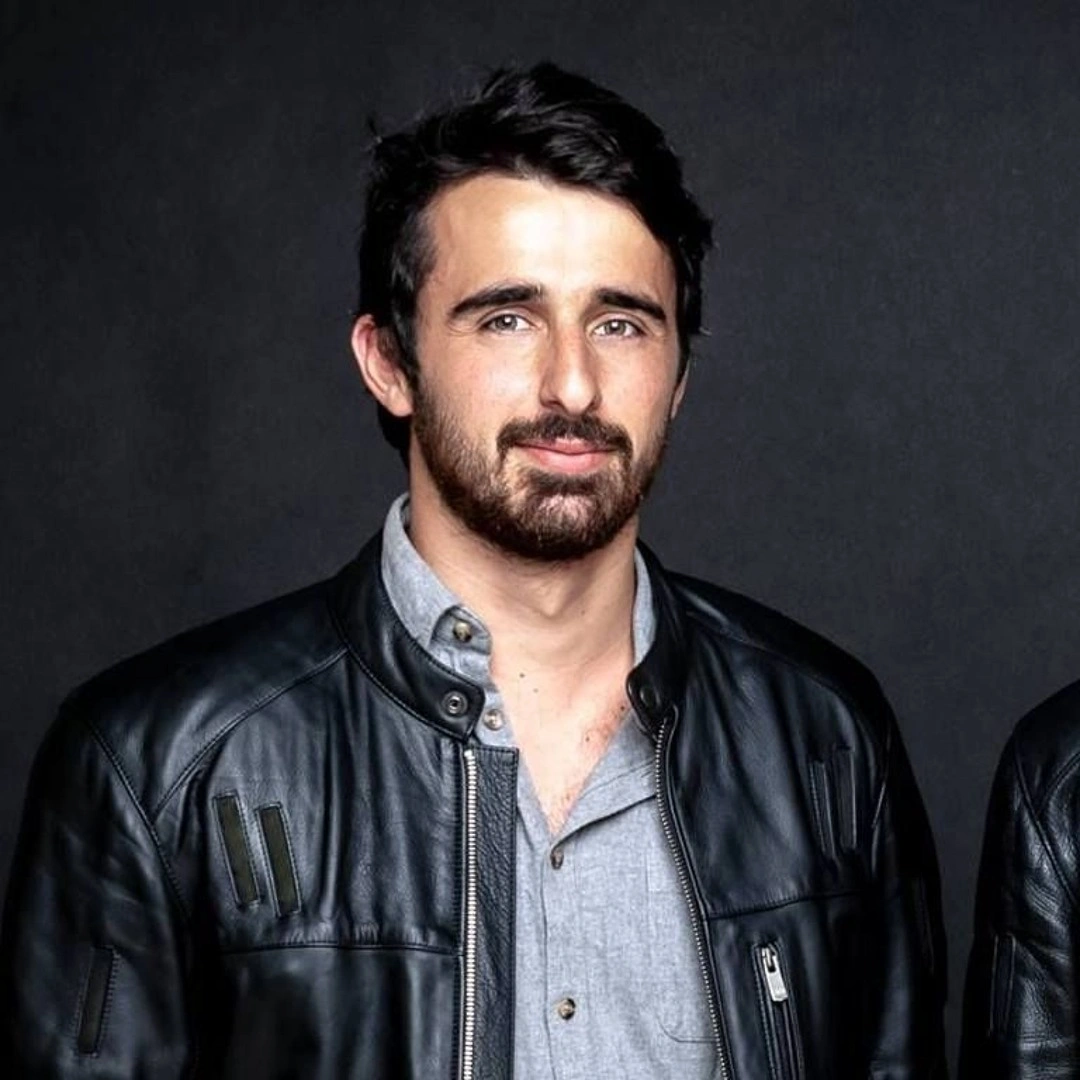

John Kozicki
John Kozicki is the founder of Michigan Rock School and co-host of the Rock School Proprietor podcast. A former punk rock musician and corporate marketer turned music school owner, John built two music schools from the ground up and is known for his community-driven, performance-based approach to music education.
Season 1
|
Episode 20
The Rock School Secret – John Kozicki on How Community Drives Music School Retention
John Kozicki has one of the more unconventional paths in the music school world: corporate marketing background, punk rock touring years, two music schools built and sold, and now co-host of the Rock School Proprietor podcast. In this episode, John joins David Martin for a wide-ranging conversation about what it really means to build a music school around community and purpose. John shares his philosophy on what he calls "the rock school secret" (why students in band programs stay longer and engage more deeply than those in private lessons alone) and makes the case that the instrument is really just the conduit for something much bigger. He also gets candid about brand identity, the importance of knowing who your school is actually for, and why copying another studio's marketing is a fast track to churn.
John Kozicki
John Kozicki is the founder of Michigan Rock School and co-host of the Rock School Proprietor podcast. A former punk rock musician and corporate marketer turned music school owner, John built two music schools from the ground up and is known for his community-driven, performance-based approach to music education.
Watch the Full Episode
Show Notes
In this episode, you’ll hear:
- How a bad experience with piano lessons as a kid shaped John’s entire approach to running Michigan Rock School today.
- The origin story of John’s first music school: quitting a corporate PR job without another one lined up, stumbling into guitar teaching to pay for a wedding, and gradually realizing this might actually be the thing.
- The “rock school secret”: students participating in band programs have significantly higher retention than those in private lessons alone. John explains why community and performance create a deeper connection to music, and why that keeps students enrolled longer.
- Why John believes the instrument is just the conduit. His firm belief: everyone comes to music for a reason that runs deeper than wanting to learn guitar or piano, and great instructors and studio owners tap into that.
- How Michigan Rock School’s marketing leads with community, socialization, and belonging. John explains why the benefits that keep kids in team sports are exactly what a well-run music program can offer.
- John’s hiring philosophy: he looks for instructors he’d want to be in a band with. The reasoning goes deeper than culture fit, it’s about whether that person can build the kind of trust with students that feels different from every other adult in their lives.
- His candid advice on brand identity for music school owners who don’t have a marketing background: identify the two or three current families you always have the best conversations with, figure out what you talk about, and build your marketing from there.
- Why copying what a competitor is doing will attract the wrong students and drive up churn. Your marketing has to match who you actually are.
- The evolution (not transition) from teacher to manager, and how COVID was the unexpected moment that forced John to fully embrace his role as the person steering the ship.
- What’s next: John’s plans to make Michigan Rock School’s rock band curriculum available to other schools, an ongoing songwriting book project, and continued work on the Rock School Proprietor podcast with co-host Mandy York.
David Martin (00:01:32)
John Kozicki, welcome to the podcast. So glad you could make it.
John Kozicki (00:01:36)
Thanks David, how are you?
David Martin (00:01:40)
Very good, very good. John, you’ve had a pretty unique path to have gotten to where you are now. You worked in corporate marketing. You’ve toured and recorded in punk rock bands. You’ve built and scaled two music school businesses. You’re a co-host on a podcast with Mandy York.
John Kozicki (00:01:40)
Correct.
David Martin (00:02:00)
where you guys have conversations with music school owners, talking about stories and business advice and all that kind of stuff. You’ve really become a thoughtful voice for many music school owners that are paying attention to you. So that’s not a typical resume. And I really appreciate it. I really do. So I’d love to start. Yeah, yeah, I’d love to start with this. So growing up,
John Kozicki (00:02:00)
correct? I appreciate that.
David Martin (00:02:26)
When did music first grab you? know, was it an instrument? Was it a moment, a person? What was it?
John Kozicki (00:02:26)
geez. You know, I don’t know. I don’t know if there there was a single moment. I certainly don’t have a memory of, and that’s when everything clicked for me. It was just always present. I think. I came from a somewhat musical family, but not like my parents weren’t musicians. My mom, she was at one point in my early childhood, a dance teacher. So that musical and artistic side was always there. And she taught dance classes. She’s also a retired elementary school teacher. So education was always her thing, but also the arts were important. My dad jokes that the only thing he ever played was the radio. But my uncle was an accomplished piano player and accordion player and he played in polka bands. And I remember even as a young kid going to watch these polka band gigs, which seems really weird and wild to talk about it now. But I’m sure all of that shaped my perspective on music as just really part of life and part of what makes life fulfilling.
David Martin (00:03:45)
Yeah, yeah. Well, I mean, I really believe personally that, you know, I have three kids and when they were all babies, you know, I was, I had the CD back when people used CDs. I had the CD player and playing the Chopin, you know, and different piano, because I’m a pianist, that’s my background. But I just always had that music playing and…
John Kozicki (00:03:45)
Mm-hmm.
David Martin (00:04:09)
Because I always believed that just kind of having that be a part of their reality at a young age was so important. So it’s interesting that you mentioned that, just all the different musical experiences, not just, oh, I took lessons when I was six years old and whatever. But I feel like, yeah, yeah.
John Kozicki (00:05:43)
Which I did, yeah. So I think the pursuit of music and learning music did start for me in the formal sense. But I want to say maybe I was eight years old. I’m totally honest about this all the time. And I mentioned this on my own podcast a number of times.
David Martin (00:05:43)
Sure. OK, yeah.
John Kozicki (00:05:43)
My experience taking piano lessons as a kid was horrible. I didn’t like my piano lessons. It’s funny, just today, the episode of my podcast that was released was a conversation that I had with Melanie Bowes with Keynote’s music, that curriculum. And part of the conversation that we had, she had mentioned the importance of
David Martin (00:05:43)
Hmm. What? Why? Why was it horrible?
John Kozicki (00:05:43)
autonomy, when students feel they have autonomy in their learning path. It’s essential because they feel involved in that process, and they feel like what they’re doing is for them, versus something that they are supposed to do for someone else, meaning the instructor. And when she mentioned that word autonomy, which I’ve never really thought about before.
David Martin (00:05:43)
Hmm.
John Kozicki (00:05:47)
in using that specific term. It just kind of blew my mind in a sense, because I thought that is exactly what was missing for me when I took piano lessons. I didn’t have a choice in what the music was or what we were learning. At best, I was given maybe two choices on two pieces of music that I didn’t carry the way for.
David Martin (00:05:47)
Yeah.
John Kozicki (00:06:12)
But again, I loved music as a child. I was always listening to music. And I have an older brother, my older brother took piano lessons with this, our piano instructor before I did. And he seemed to make it work a little bit better than I did. We rode our bikes to this older woman’s house in the neighborhood, you know, and I remember. After I got into that routine, those bike rides, just, didn’t, I didn’t want to go because it felt so disconnected. What I was learning felt so disconnected from the music that I listened to. It was almost as if my piano instructor
David Martin (00:06:12)
you
John Kozicki (00:06:53)
didn’t even know that the music that I listened to existed. Like if I mentioned, yeah, don’t stop believing by Journey. Who’s that? Never heard of it. Is that Baroque? You know, I don’t know. So I think it was really just a poor, poor fit. And I get it, you know, it’s like that’s who people in the neighborhood went to. They went to the woman who
David Martin (00:07:03)
Yeah, what’s that? Right. Yeah, exactly.
John Kozicki (00:07:16)
who taught piano lessons in the neighborhood. It’s just what we did. But it was such a bad fit for me because I didn’t enjoy, even though I loved music, I didn’t enjoy that aspect of how music was presented to me. I think that profoundly shaped how I approach my own music school today.
David Martin (00:07:41)
Sure, yeah, well, I mean, that makes sense. Did you stay with music, like piano lessons for a period of time? You got out, yeah, you stopped.
John Kozicki (00:07:41)
No, no, I fought it tooth and nail. remember faking practice when my parents would make me, know, you have to go practice for 20 minutes. I would just fake it. would like make up little songs and you know, it was never what I was supposed to practice. And I mean, like at my core, I’ve always been a creative person and looking back at it now, it’s funny. can it’s almost seeing a different person.
David Martin (00:07:41)
Yeah.
John Kozicki (00:08:13)
than than myself. But in those instances, thinking about, I was making up songs. Well, that was me expressing my creativity, which wasn’t part of my lessons. But man, had that been part of my lessons. That would have changed everything, right? Had I been given permission to be creative with the piano? Might have been different, I don’t know. But no, piano lessons were.
David Martin (00:08:13)
Hmm, yeah.
John Kozicki (00:08:39)
I don’t know, a year, two years tops, I think. And then my parents stopped fighting me on it. They just gave in. Went on to play in the middle school band. But it wasn’t until, that’s about 15, 14, 15 when I picked up the guitar. And that’s when things started to open up for me.
David Martin (00:08:39)
Right. So the guitar was kind of what grabbed you. That was the thing that you felt like, yeah, this is my thing.
John Kozicki (00:09:13)
yeah, 100%. I mean, for one, one of the first things my first guitar instructor asked me was, what kind of music do you like?
David Martin (00:09:13)
Good question. Yeah, yeah, yeah.
John Kozicki (00:09:20)
Right? Talk about autonomy. know? Yeah.
David Martin (00:09:26)
Yeah, so you got into the guitar and would you say you’re like 14, 15 years old and your teacher obviously that it was kind of like a good combination, right? Like it was the instrument that you were more excited about. Plus the teacher gave you sort of that autonomy to start working on or playing the songs that you really wanted to play.
John Kozicki (00:09:46)
Yeah, I think it was more than that though. So I run a rock school, as you know, and it’s very much performance based and it incorporates both private lessons and group playing. And there’s a lot of community involved. And when I got my first guitar, I got that guitar on a was a Friday afternoon, my mom took me to
David Martin (00:09:46)
Mm-hmm.
John Kozicki (00:10:08)
the local music store to buy a guitar. By Monday morning after that weekend at school, I was already starting my first band. Now, I didn’t even know how to play the guitar. But I was talking with my friends. One of my friends, Greg, he already played guitar. So he was going to be in the band. And we grabbed a few of our other friends and Then we’re talking about what songs are going to play. What parties are we going to play at? We started talking about all these things in that first week. Again, I didn’t know how to play guitar. Yeah, yeah, but again, in hindsight, what what I was doing was I was.
David Martin (00:10:08)
Yeah. You had a dream.
John Kozicki (00:10:55)
I was creating community. was I was looking for that deeper connection with with music and how how it would connect me with my bandmates, how it would connect us with our friends who would presumably come to watch us perform. It was it was this bigger thing. And the guitar really was just the tool. The guitar was the conduit for everything else and.
David Martin (00:10:55)
Yeah. Hmm.
John Kozicki (00:11:31)
My firm belief is that everyone comes to music in a similar way. That instrument, whatever that instrument choice is, because most of time, like, do we choose the instrument for any other reason other than, hey, this seems cool? You know, I think I want to play this. people have seen other people play it and they’re like, that sounds like an interesting thing to do. There’s a, I believe there’s a core motivation that runs a lot deeper than just, want to learn how to play this instrument. And if we can tap into that as instructors, as studio owners, then really what we’re doing is we are reaching our students and focusing on a bigger goal than that technical goal of how do I make this this thing work, this piano work or this guitar work.
David Martin (00:12:25)
Yeah, yeah, I love that. That’s that’s really, really, it’s true. It really is true. So you’re you’re, you started to find a deeper sense of meaning behind music beyond this specific instrument, guitar seem to get you there faster to to that place you really want it to be. I love you know, you get into this band, you know, play. But what a motivation, right? What a motivation to learn. I you know, I see that with my kids all the time, like, you know, with my son with with math, he just absolutely hated, just refused to do it until he had a reason to do it. And usually it’s like some kind of social pressure, right? Like that’s usually the strongest motivation. Or my oldest who’s actually, he’s at a point now where he’s got a girl and all that kind of stuff. It’s like for the longest time, I had a hard time getting him to like, wear deodorant. You know what I mean? Just.
John Kozicki (00:12:25)
Mm-hmm. Mm-hmm. Right. Yeah. Yeah.
David Martin (00:12:25)
like basic hygiene. But all of a sudden the girl enters his life and he’s like taking showers, he’s cleaning himself up. But that motivation, right? And it’s amazing to me. I saw the same thing in music as a teacher where you have these students that you just like, how do I get them to practice or just love this or just want to do this more? And then there would be an opportunity for them to perform. whether that be at a recital or even just for their friends or whatever, and all of sudden it’s like, oh, now you’re practicing, now you’re into it, now there’s something more. And so I love that, just kind of that intrinsic motivation. If you can find it, then it’s amazing the transformation that can happen with these students. So for you, you started performing. Take me to that, you know, where you were there, you know, not knowing how to play guitar, being in a band, performing and touring and recording in a punk rock band.
John Kozicki (00:14:24)
geez, I mean. man, this is a I’m never really unpackaged all of this. We’re going to have a little therapy session here, David. You know, thinking about it based on what I just said about my motivation to even pick up the guitar. You know, obviously I love music, but when I think I was sharing that with. Friends.
David Martin (00:14:24)
Yeah, good.
John Kozicki (00:14:50)
with bandmates. It became such a larger part of my life. And it just creates this snowball that rolls down the hill and gets larger and larger where it went from. for me personally, I better learn how to play this thing, right? To then, well, we have to learn these songs so that we can, or maybe even one, we started like, we have to learn one song so we can play one song as a band together. And then, okay, well, let’s learn a few more so that we can play this party that our friends are having in a month. To, wow, that party was amazing.
David Martin (00:14:50)
Yeah.
John Kozicki (00:15:35)
let’s do it again. Who else wants us to play at a party to, I guess, like, hey, there are clubs that do this multiple times a week. Let’s just go do that. And like, hey, there are clubs all across the country that do this. How do we get into those clubs? Well, we have to record our own music. Well, let’s get into a recording studio and write some songs and record music and put out a CD. then
David Martin (00:15:35)
Yeah.
John Kozicki (00:16:07)
We’ve got a CD. Let’s see if we can get distribution. We’ve got distribution. Let’s see if we can get on an indie label. Let’s see if we can get on a tour with other bands. It just it’s like one step after another. Not for everyone, I think. But I think it was just all about. What is that next level? You know, where do we take this next? Because this is so much fun. And, you know, at that point.
David Martin (00:16:07)
Hmm.
John Kozicki (00:16:28)
I was just so enmeshed with music being this central part of my existence that when you talk about it with other people, you start to attract like-minded folks, I think.
David Martin (00:16:28)
Hmm. What was it that you were chasing after at that point? Was it the passion of playing? Was it the music? Or was there a part of you that wanted to be the superstar, the touring? You know what I mean? What were you chasing after at that point?
John Kozicki (00:18:48)
Yeah, I think there was I think it’s multiple things. For one, and this is something that I’m really focused on with students in my own school. I was as a kid, I liked sports. A couple of them are I was actually pretty good at, but I did not like. The competitive, the unhealthy competitiveness. that sometimes came along with participating in sports. But sports are a great way to find your people, to connect with others and to learn some really great skills, right? So not feeling like I was finding that in sports, maybe I didn’t look hard enough, maybe it was just my young brain being turned off by the…
David Martin (00:18:48)
Mm.
John Kozicki (00:18:48)
the negative aspects of competitiveness that come along with it. I found similar camaraderie in music. And not only that, you like when you reach a certain point playing music, all of a sudden people think you’re great. And like, who doesn’t like that? So, yeah, so I think there’s, I think it’s a little bit of both.
David Martin (00:21:28)
Yeah, yeah, yeah, yeah. Feels good.
John Kozicki (00:21:28)
I got some validation. got lifelong friendships. mean, I’m like the friends I have now. My best friends are still friends that I played music with 20 plus years ago, 30 years ago. So what was I chasing? I don’t know if I was chasing anything necessarily as much as I was feeling like this is a good thing to have in my life. You know, this makes me feel fulfilled. This makes me feel like I’ve got purpose. Yeah, so I don’t know if it was necessarily chasing. I mean, certainly there was an aspect of that. Let’s, you know, let’s see how far we can take this, right? Let’s see if we can make a living as musicians. That’s the, you know, this elusive goal that a lot of us.
David Martin (00:21:28)
Sure. Yeah, yeah. Yeah. Right, right. Yeah, yeah, yeah.
John Kozicki (00:21:28)
focus on. mean, you kids do the same thing with with sports, right? I want to be a pro baseball player. Yeah.
David Martin (00:21:28)
Right. Yeah. And yeah, no, I think when you’re looking at looking back, you know, on your life, it’s interesting to pull lessons from it because obviously it’s shaped you, know, touring and being a part of the band has, there were lessons that you learned that helped kind of shape the way you think, the way you approach life. What would you say some of those big lessons were like coming on the other side of it now and looking back? and not being in it and in the middle of it. What were some of those big lessons that you took from that experience that helped shape kind of all these other things that you’re doing now?
John Kozicki (00:21:28)
Mm-hmm. As a business owner, I see those early things that I was doing. Starting a band, having no experience playing guitar at all. That’s that was a leap of faith. Okay, I’m going to do this thing. Then I’m going to put the pieces together as I go. As a business owner, I have to do that all the time, right? Like, I don’t know everything. So there’s a lot of things that I just kind of say, Yeah, we’re gonna do this. I see a fuzzy path. I can I can see like, yeah, there’s some roadblocks along the way.
David Martin (00:21:28)
Mm-hmm. Yeah. Yeah.
John Kozicki (00:21:28)
But yes, we’ll figure them out as we go. And if we don’t, then we learn and we adapt. Maybe we have to abandon this plan. Maybe we have to adjust the plan. I see those early days in music and kind of this punk rock DIY ethic as really important. to a business owner as an entrepreneur, just kind of going for it and trying to turn off the naysayers, which we hear a lot. I mean, I’m sure you’ve probably experienced that. I know when I first told people I was gonna start a music school, even some close family, they’re like, oh, you sure? I don’t know. And fast forward.
David Martin (00:21:28)
Yeah.
John Kozicki (00:21:28)
having a little bit of success with the music school and then all of a sudden those people are like, oh wow, you’re doing a really great job, good for you. And it happens all the time, you know?
David Martin (00:21:28)
Yeah, yeah, yeah. Yeah, I had a lot of people tell me, they’d ask me, so what do you do? It’s like, I have a music school. that’s a fun hobby. So what’s your, like, do you have a day job or?
John Kozicki (00:21:39)
Or, yeah, what do you do during the day? Yeah.
David Martin (00:21:44)
What do you actually do? No, I know exactly what you mean. So how did you go from punk rock musician to corporate marketing? Like that’s a pretty big pivot.
John Kozicki (00:21:44)
Right, right. Is it though? mean, so, you know, it’s funny, and I’ll tell you, I’ll tell you like how that went. But I think there’s a I just think there’s this general stereotype stereotype about punk rock musicians, which I get I get where it comes from, because there certainly are plenty of punk rock musicians like
David Martin (00:21:44)
Ha ha ha ha ha ha Yeah
John Kozicki (00:22:15)
I mean, Sid Vicious being a great example. Things did not work out well for Sid Vicious. But if you look at Milo Aukerman from The Descendants, he’s a professor. You look at Dexter Holland from The Offspring, he’s a microbiologist and I believe a pilot and he’s got a line of hot sauce. There are tons of punk rock musicians who
David Martin (00:22:15)
Right.
John Kozicki (00:22:38)
Yes, they have this creative thing that they’re known for, but then they have also got these like really surprising either academic pursuits or business success. So how did I find myself in corporate marketing? Well, I mean, part of it was I guess my upbringing, was just sort of assumed that after high school, I would go to college, which I did.
David Martin (00:22:38)
Mm-hmm.
John Kozicki (00:23:05)
And I’m happy that I did. But even in college, I chose I didn’t pursue music in college. I felt like, well, I’m already doing that. You know, I’m already doing music. I’m already learning whatever I want about music. And I didn’t really want to be a music teacher thinking about working in the classroom. That was not the path for me for sure. So I started studying business in college. And even when I when I entered the business school, it took me a long time to decide on a major. I was just kind of process of elimination saying like accounting, no finance, nope. You know, just kind of deleting these, these majors off the list. And then I found I really enjoyed marketing. And so that was my major. I pursued marketing in college and graduated. And after graduation, was still playing in bands. And I kind of fumbled around trying to find where I wanted to land using my degree, ultimately in a public relations office. And I was in my 20s still. So I could work a nine to five job. and still do gigs starting on like a Thursday night and like do like short runs from Detroit to say like Cincinnati on the weekends and like, I didn’t need much sleep in those days. like now. So you know, like I could go do a Thursday night gig and be out until two and then go into work the next morning and just be okay.
David Martin (00:23:05)
Wow. Yeah. Wow. Hahaha, yeah.
John Kozicki (00:24:49)
I think it didn’t hurt that working in the the public relations office that I did. We had a lot of clients who like to throw parties. We were off the top of my head and we had like a DJ as a client, we had like a nightclub as a client. So it was a fun environment, right? And It just sort of worked in my favor that like my off time wasn’t like, it wasn’t a super like buttoned up type of corporate job, you know, but even still, after doing that for a while, I was like, I don’t know if the corporate life is for me.
David Martin (00:25:27)
Yeah. Yeah, yeah. Well, it’s interesting that you, even back then you had an interest in business and in marketing, that would obviously follow you. You know, those skills, that skillset doesn’t just go away. You know, when you start a music school, it becomes in pretty handy, you know? So you, you stayed in that for, did you go from that to opening a music school? Was that kind of your, your career path or?
John Kozicki (00:25:27)
Mm-hmm. Yes, yeah, yeah, for sure. For sure. Yeah. No, you know, I fumbled around. like I didn’t know what I what I wanted to do for a living. You know, is no, I worked. I worked in the PR office for a few years. Man, I I decided to quit one day, didn’t have another job lined up and happened to be engaged to get married at the same time.
David Martin (00:25:27)
Yeah.
John Kozicki (00:26:17)
So it felt really refreshing to just like, I’m out, I’m done, I’m quitting, right? But then about a week later, I was like, a wedding to pay for. What am I going to do? That’s actually how I started teaching. A friend of mine was like, geez, mid 20s, I think. A friend of mine said, well, you know, could.
David Martin (00:26:17)
Okay, how old were you? Okay, yeah, yeah.
John Kozicki (00:26:42)
you could try teaching, make a little money. I was like, all right. So I just sort of happened into it. I’d never, never taught guitar before, but it was a stop gap. It was a way for me to start making some money until I figured out, what’s my next step? Turns out I really loved it and ended up going from, from there to work as a development director in for a nonprofit, which
David Martin (00:26:42)
Hmm.
John Kozicki (00:27:10)
also wasn’t really for me. But still kept teaching at the same time because I found like, man, this is there’s something about this that I like. And then did kind of a move across country for my my wife’s career. And we were going to we lived in Denver for a year. was just knowing it was just one year. I was hemming and hawing. Well, do I try and get another corporate job? knowing that I’m just going to be here for a year, which is probably going to limit my opportunities. I ended up just teaching guitar for that year. And that’s kind of where the thought process started. Well, could I maybe start a business out of this? Could this be something that I pivot into and make?
David Martin (00:27:10)
Mm.
John Kozicki (00:28:04)
my real focus. So that’s kind of where the inklings of the music school life started.
David Martin (00:28:16)
Isn’t that funny how it wasn’t even a primary thing. It was like you were out of a job, you needed to make some money to pay for a wedding, and you stumble into teaching. And it’s it stuck with you.
John Kozicki (00:28:36)
Yeah, and I think just kind of being open to. What do I want my life to look like? What do I want out of life? I’ve tried a few things and I’ve figured out, I tried that, that’s probably not it. Tried this other thing, that’s probably not it. Just kind of this process of elimination. Like we all do it. We all do it. I think we all have ideas of what we want and then we… fight it and then we try something else and we decided maybe that wasn’t the right choice. You know, it’s, think it’s pretty rare. I mean, there certainly are people out there. I’ve never been one to say like, well, this is what I’m going to do for the rest of my life.
David Martin (00:29:16)
Right, yeah. Yeah. Yeah.
John Kozicki (00:29:16)
I’m great with that. My wife is one of those people. She was lucky enough to decide early on, like, hey, this is what I want to do for my life. And yeah, it worked. It’s just not me.
David Martin (00:31:16)
Yeah. Yeah. Is she a musician too? Or… No?
John Kozicki (00:31:16)
no. No, no, my wife’s a veterinarian.
David Martin (00:31:16)
Okay. Yeah. That’s actually a good business to be in. Yeah.
John Kozicki (00:32:14)
I think it depends on who you ask, yeah.
David Martin (00:32:14)
Sure, fair enough. So you guys were in Denver, you said for about a year, and then where did you go after that?
John Kozicki (00:32:14)
After Denver, we were in Madison, Wisconsin for three years. A lovely town. I loved Madison. It was a little bit cold. Then Madison, we ended up in Raleigh, North Carolina. And that’s where I started my first music school. Yeah.
David Martin (00:32:14)
Okay. Yeah Okay. Okay. And how many years of kind of just privately teaching on the side, so to speak, until you really were like, hey, I can actually, I’m going to make this a music school business.
John Kozicki (00:32:14)
You know, I think it was about five from the from the point that from the point that I took that first teaching gig, just out of necessity to the point that I opened my first music school. I think it was about five. And, you know, part of that was a lot of those moves were related to my wife’s career. She did in she did a year of.
David Martin (00:32:14)
Wow.
John Kozicki (00:32:14)
research while we were in Denver that led to a residency, which was also a temporary three-year program. part of that wasn’t, where are we going to put down roots? And when we landed in North Carolina is when we both decided like, okay, this is where we’re going to be for a bit. And that opened up that opportunity for me to enact the business plan.
David Martin (00:32:14)
Sure, yeah. Yeah, yeah, that makes sense. When you first, I mean, tell me about that experience when you first were like, okay, I’m gonna open up a music school, start a music school. However, did you go get a building, a location? Did you start it from the house? What was that experience like?
John Kozicki (00:32:14)
Yeah, I, I leased a location like right off the bat. But it was yeah, it but it was a single. It was just a single room in in this kind of renovated, like office area, Eastern office lately. It was above a restaurant. And
David Martin (00:32:14)
Wow. Okay. Okay.
John Kozicki (00:32:23)
That was the first place I decided like, okay, if I’m going to do this, I want it to, I want it to present in a really kind of professional way. That’s not to knock those folks who do start in their homes. I think that’s great too.
David Martin (00:32:23)
Mm-hmm. Yeah. Yeah.
John Kozicki (00:32:23)
but I knew for myself that was part of the motivation that I needed. I would work better with the pressure of knowing I have a lease to pay for every month. So I just said, like, if I’m going to do this, I’m going to go for it. So yeah, that first location, it was about
David Martin (00:32:23)
Right.
John Kozicki (00:33:51)
And that single room, want to say four months. And then onto another one that had more rooms, and I could hire instructors. And then that led to moving next door into a slightly larger space. So.
David Martin (00:34:33)
So you progressively expanded out based on the demand. And so that first room where it was just one room, that was just you teaching every day. You were the only teacher. And then you moved to another location so that you could then hire teachers. When did that, you said it was about four months. What was that experience like? Because obviously you’re signing a larger lease, I’m assuming, at that point, a bigger space, more rooms.
John Kozicki (00:34:33)
Yes. Yep. Correct. Correct. Yep.
David Martin (00:34:33)
Was there a build out involved?
John Kozicki (00:34:33)
For that one there was not. Yeah, the motivation for all of that was I had this vision for this interactive group-based, performance-based music program, right? I had this idea for I wanted to run a rock school. And that being my end goal,
David Martin (00:34:33)
Mm-hmm.
John Kozicki (00:34:33)
I knew going into it, signing that first lease, I can’t do that in this little space. For one, there’s a restriction on the size, right? So there’s no way I can do that. Two, I don’t teach all the instruments. I teach guitar, I can teach bass. That’s about it right now. So that first location was really just to prime the pump.
David Martin (00:34:33)
Yeah. Right.
John Kozicki (00:35:57)
It was never meant to be anything long-term. It was just meant to start that marketing machine going.
David Martin (00:35:57)
So you knew, even at the beginning, when you just had the one room, you knew you were gonna build into something more. You were gonna have a bigger space with teachers and all of that.
John Kozicki (00:35:57)
Yeah, because if I didn’t, I was not going to hit my goal, right? That was my goal was not to be that single music, private music instructor. So. Upon signing that lease, yes, I was going to do that, but that was almost like, OK, that’s that’s just what I do during the day, right? That’s just what I do on the side while I’m while I’m. Creating this bigger thing.
David Martin (00:35:57)
Right. Sure.
John Kozicki (00:35:57)
while I’m starting the marketing for what is going to come, right? So yes, I’m getting some students in there and that’s going to help to provide some funding for the next step. That’s going to help to get some of those people on board for when we take the next step. But yeah, that was a very short term plan to get to the point where I needed more instructors and more room to.
David Martin (00:35:57)
Sure, sure. Right.
John Kozicki (00:38:25)
to make this a reality.
David Martin (00:38:25)
Yeah, yeah, that’s interesting. The reason I say that is because for me, you know, I actually did start out of my house and I had kind of an unusual story because, excuse me, we grew quite a bit just in the house and we had a unique property. So we were able to you know, segment different rooms in different areas of our property to where we could have a lot of students coming through. But it was always like I was always reacting to the growth as opposed to thinking like, no, this was plan. This was the plan. I wanted to scale. I wanted to grow. It was always like, well, if we could just get to 100, then I’ll be set. If we could just get to 150, then, you know, and it’s like every time I reached those goalposts, I was always like, okay, but we need more. I need to get to this next this next mountain. And I don’t know, maybe that’s just me, but I just, always moved the goalpost once I got there because once I got there, I realized, no, wait, I’m thinking way too small with this thing. And realizing that. it’s, that’s why I think it’s interesting that for you, at least at the very beginning, it was always the plan to build a rock school, even when it was just you at the beginning.
John Kozicki (00:38:25)
Mm-hmm. I don’t think it’s just you, David. I don’t. And in fact, so I ran I ran that music school for about five years.
David Martin (00:38:25)
Hahaha.
John Kozicki (00:39:53)
And then there was another move. We moved my family back to Michigan. That’s originally where we’re from. Because we had our first kid and then the second one was on the way. And so my wife and I were thinking, we do want to move again, like if we do want to move to be closer to family, for instance, what’s the time frame?
David Martin (00:39:53)
Okay.
John Kozicki (00:39:53)
like, you know, do we do that sooner? Do we do that later? Do we do before the kids start school? And ultimately, we decided, well, let’s do it before they start school. So we moved from North Carolina, Michigan. And in that process, I was looking at what I built and thinking, well, and this is
David Martin (00:39:53)
Yeah.
John Kozicki (00:42:22)
I think it’s important to put a timeline on this. was. Twenty. Like end of 2012, beginning of 2013 is when we’re contemplating this, right? And I think the reason I say that is because. In today’s climate, there are organizations that will buy your music school, right? That really wasn’t a thing then. So when I was looking at
David Martin (00:42:22)
Yeah? Great.
John Kozicki (00:42:22)
this thing that I built, this music school that I built and the community around it that I built, knowing that I’m going to be leaving, I had a choice to make. Well, do I just pack it up and, hey, close for business? That’s one option. Do I try and find a buyer? Like, how do I find a buyer for this really niche business?
David Martin (00:42:22)
Yeah.
John Kozicki (00:42:22)
I had a couple of instructors who were really great and very invested in the school. So ultimately, I approached them at this prospect of like, do you want do you want to buy this? And and ultimately they did. But that’s not really the point of where I’m going with this, because you were talking about how you would say, if I just get to this number of students, right, if I could just get to this number of students. After I’d sold the first music school, what I did was I. I really looked at what what were. What were some actions that I took in building that first business? That I feel like. I wouldn’t do again. And one of the things that I came upon is in building that business and going from like the first location to the second location to the third location, I always looked at like, well, in order to afford this next step, how many more students do I need? And then the math is basically like, well, we charge this much. per month for each student. then you start working like, all right, I need to get this many more students. And then that becomes your goal, which is perfectly logical, right? The logic on that is sound. makes good business sense. what that didn’t include in that equation was what kind of students am I trying to get? Am I get? Am I trying to get the kind of students that want this interactive band experience, that want to play music with other people, that want that community that is so important in what I’m building with the Rock School? Are those the students that I’m trying to get, or am I just trying to get any students? Am I just trying to get those numbers to the point where, OK, I’ve afforded this move, right? So.
David Martin (00:42:22)
Mm-hmm. Mm-hmm.
John Kozicki (00:42:22)
When I looked at how I did that in the first music school, what I came to was that we had way more students in my first music school that were just coming for private lessons than we did who were really interested in the band program. Now, the students who are doing our band program, they were into it. They loved it. But I realized
David Martin (00:42:22)
Hmm Yeah. Yeah.
John Kozicki (00:42:22)
Like fundamentally, I didn’t have the right clients across the board. So when I started my current music school, Michigan Rock School, which I run now, I had to make a really hard decision on narrowing down what is the right client for this school and being okay with slightly slower growth. to get the right students for better retention in the long run, better word of mouth from the clients who really love us. So that was a really hard decision, but I feel like it was the right one. Because it’s not focused on just the number of students, right?
David Martin (00:42:22)
Yeah. That’s really interesting. Right, right. Yeah. And so when you made that decision, when you switched over, like when you moved and you opened up the second music school, or are you saying you made that decision when you went from the solo operator, one studio over to the larger?
John Kozicki (00:42:22)
No, was when I made, that’s when I opened my second music school, like after I’d sold the first one, yeah, yeah.
David Martin (00:42:22)
Okay, in Michigan. Yeah, okay, gotcha, gotcha. Yeah, and I mean, I think that’s a really interesting point because you’re right. Like, I think a lot of people, they sort of approach it. I mean, that’s the way I approached it. I was always focused on just hitting certain numbers, hitting certain goalposts. And that was always my approach. And you know, it worked for me, but. but you were building something completely different really. Like I think of rock schools, it really is fascinating, because that’s not my background at all. I was actually more of the classical piano guy. And so I just always went more the traditional music lesson route for students and trying to get them in and start them young and all of that. But there seems to be a whole subculture within our industry. of these rock schools. know, you, of course you’ve got the big, you know, like school of rock, like the franchise. And I think there’s like Bach to rock, right? And there’s these big ones. then, but I’ve also noticed like independent, like yourself, like independent rock schools. Like you go there to be in a band and like learn how to be a, you know, a rock star kind of thing. And it is a very specific student.
John Kozicki (00:42:22)
Mm-hmm. Mm-hmm.
David Martin (00:43:34)
It’s not like your typical, you know, I wanna take piano lessons or whatever. So I’m curious, how do you market these? Like, is your strategy to getting students and what does that look like?
John Kozicki (00:43:51)
So first, I’m going to push back a little bit on what you just said, David. And I’m going to go way back to one of the things I said earlier in our conversation about I believe that all of us come to music for a reason that is deeper than just I want to learn how to play this instrument.
David Martin (00:43:59)
Okay, good.
John Kozicki (00:44:20)
And I believe that if we tap into that, then we’re doing a service to the student, right? There’s this little, I call it the rock school secret, right? The rock school secret. And I’ve kind of verified this with, in my conversations with other rock school owners and on my podcast with other people who own rock schools or have. robust rock band curriculums that the retention for those students who are participating in their band program is much higher than the retention for the students that they have who are just doing private lessons.
David Martin (00:44:20)
Sure.
John Kozicki (00:45:02)
So we’re creating community, we’re creating something that I think hits more of that core underlying motivation to play music. And… I think that like we all can do that, whether it’s a rock school or whether it’s a more traditional approach. I think we can all do that, but we have to be willing to ask questions to our students. And that first question is really like, what do you like about music? What do you want to be able to do with this instrument and ask parents too? What are your goals? What are your hopes for your child when you get them into private music lessons or any music program? It’s a hard conversation to have at times with parents when they have a hard time answering the question. Because part of what we do at Michigan Rock School is ask those questions before students start. Part of the motivation to ask those questions is to uncover what they want to be able to do. But also, that helps us understand which of our instructors is going to be best fit. Parents will often just call the closest music lesson provider to their house. What’s the closest place that I can get music lessons? And then they’ll think about, well, what times do you have available? Because I have to fit this into my schedule.
David Martin (00:45:02)
Right. Yeah.
John Kozicki (00:46:29)
All important things. get it. I’m like I get kids myself, right? But for the student. Is that going to make them a better student? Is that going to allow them to stay in lessons longer? Is that going to help them connect with what they’re doing? Probably not, right? That convenience stuff is really more related to logistics and parenting and schedule. So I’m really intentional with parents about the why. Well, what do you want? What do you want to see for your student? What do you want your child to get out of music lessons? And I think there’s a lot of answers. Some of them are simply, Kind of like me. I’ve heard a lot of parents say like, well, we tried sports. Sports just weren’t working, you know, so just want my son to find his thing or my daughter to find their thing. We’ve got a space for those kids, I think. Other parents will say like, wow, he’s like he’s just really, really connects with music. I don’t want to see where it goes. I’ll be completely honest. What we do really bad at my school.
David Martin (00:46:29)
Right.
John Kozicki (00:47:41)
is we do a really bad job with students who are there to pass tests. Right? Like, that’s not what we do. Students who are on that track to like, learn all the necessary things for passing tests and get to the next level, we generally don’t do a good job with them. Now, that’s not to say we can’t prepare students for legitimate careers in music. I’ve got students
David Martin (00:47:41)
Hmm.
John Kozicki (00:48:13)
current former students right now at Berkeley. I’ve got a former student at Thornton School of Music. So, you know, we can do that, but I think first we have to get them in the door and connect with them on what their individual why is so that we can guide them down that path. I forgot what your original question was.
David Martin (00:48:13)
Right. No, no, you’re good. You’re good. What I like about what you’re saying is you’re really, you’re speaking about your philosophy of, you know, why, you know, you guys or how you guys approach your families and your students. And I think that’s so meaningful because if you don’t know that, then it’s going to be very generic and it is good. Just going to be that, well, who’s closest? Let’s just sign up with them. And so. I think for me. One of the things I was curious about is how do you, you you call yourself a rock school. So do you find that, that that eliminates certain people, certain families that maybe would be like, well, I don’t want my child to be a rocker, but I do want my child to learn music. Right. And so do you ever have to fight against that stereotype?
John Kozicki (00:48:13)
Mm-hmm.
David Martin (00:49:29)
Or is that experience there for you?
John Kozicki (00:49:35)
I think probably, I think the answer is probably. I would guess that maybe I don’t hear from those potential clients, you know, which if that’s the case, well, then certainly. I mean, I’d also argue, though, that someone who is is marketing a more traditional approach would probably be in the same boat where if
David Martin (00:49:35)
Sure. Yeah.
John Kozicki (00:49:59)
without parents or prospective students really thinking about, what do want? And just more from a gut reaction of maybe looking at a website. Wow, this one looks really kind of traditional. I don’t know if that would be best for my kid or wow, this one looks really exciting. I don’t know. My kid’s more reserved. Maybe we should go with something else.
David Martin (00:49:59)
Sure. Yeah.
John Kozicki (00:50:23)
You know, I think we all do that. Inadvertently. So yeah, I’m sure that there are students who are not coming to me because. You know, well, I don’t know, my kid likes country, so the Rock School might not be the place. From a marketing perspective. It’s in our name, you know, Michigan Rock School. So we’re sort of stuck with that at this point, right, without without a big change. But the website and how in our social media and our email marketing, it’s not about rock music. The things that I’m talking about and the things that that I think are important. For us in our marketing are.
David Martin (00:50:46)
Yeah, yeah, yeah. Okay, okay.
John Kozicki (00:51:07)
even not even related to music. It’s about those things that are talking about like community and socialization and finding friends and getting all the benefits of team sports when you might not be into team sports. So that’s what I focus my marketing on. It’s not even music.
David Martin (00:51:07)
Yeah. Sure, Well, and it kind of speaks to a lot of what people talk about with sales is you want to sell the result, not necessarily the mechanism to get you to the result. so, no, that totally makes sense, John. I appreciate that perspective. I’m curious, though, like right now, how many teachers do you currently employ?
John Kozicki (00:51:07)
12, I think.
David Martin (00:51:07)
Well, okay, so you’ve got you’ve got a handful of teachers that are working for you at a certain point Music school owners all of us go through this stage where we’re we’re really focused on the teaching side of it like you know like you said you had the one room you were teaching and Then you you sort of have to go to this this this through this transition period where you’re hiring your training your then managing these these individuals that are representing your product, your brand, right? These teachers. The teachers are the product, essentially, that where you’re, you know, and so you have to manage that. And some do better, some need to be, you know, guided, some need to be let go. So what was that? How did you, how did you do that transition? What were some of the lessons learned along the way? You know, now you’ve got a dozen teachers working for you, you know, you’re managing them.
John Kozicki (00:51:07)
Mm-hmm.
David Martin (00:52:44)
What was that transition like for you? What were some of those lessons?
John Kozicki (00:52:47)
transition is isn’t the word I would use. I think it’s evolution. Because I mean, I don’t know, I was I just I just did an interview this morning for a prospective employee. And in I I literally said in the interview, like. I’m not good at.
David Martin (00:52:47)
Okay, okay good fair enough. Yeah, I agree
John Kozicki (00:53:10)
asking questions in interviews. I said that to this prospective employee because Jeez, like it’s something that we have to learn. And there’s a whole career called HR that people adopt and go into when that’s their thing, right? And that was one of those paths in college I decided pretty quickly. Like, nope, that one’s not for me. Geez, lessons learned from a hiring.
David Martin (00:53:10)
Yep. Yep. you
John Kozicki (00:53:45)
I’ve got a podcast that we just recorded about it not too long ago. So when it comes to hiring instructors, one of the things I learned really early on is I want to hire instructors who I would want to be in a band with. Take that however you want to take it, right? But I think for me, part of that is if I feel like I can communicate with this instructor.
David Martin (00:54:10)
Yeah, yeah.
John Kozicki (00:54:21)
on a social level, as well as like a professional level, then they’re going to be able to communicate with students on that like really delicate balance of providing the service that they’re supposed to provide, but also feeling like not necessarily a teacher, right? Because kids have this averse reaction to teachers sometimes, right? Well, this person who’s acting as their instructor, the kids need to trust them. The kids need to feel like almost like, well, this person’s an adult, but they don’t feel like the adults that are in my life. They’re not telling me what to do.
David Martin (00:54:21)
Sure. Yeah.
John Kozicki (00:55:14)
Every other adult in my life, whether it’s my parents or my teachers, throughout the day tell me exactly what I’m supposed to do. I, with my guitar instructor or my drum instructor, I feel like I’ve got autonomy. I’m gonna go back to that idea of autonomy, right? There’s a different relation. It’s drawing that parallel between sports and music. It’s that sense of having a coach that
David Martin (00:55:14)
Yeah. Yeah.
John Kozicki (00:55:44)
Like, yes, they’re an authority figure and yes, they’re sharing information that is valuable to these kids, but they’re also sort of a trusted figure. That’s tough to do. And. I’ve learned that when I’ve hired for things like… teaching credentials, maybe they’ve gone to school for whatever, however many years and on paper they look like a fantastic teacher, which they may be, right? Or when I’ve hired for technical skills in how they play.
David Martin (00:55:44)
Yeah.
John Kozicki (00:56:26)
More often than not, what I’ve found is with the majority of our students, those skills that those instructors have don’t really even come into play. Those skills oftentimes don’t come into play until like years later. But if we don’t get those students to those years. Like if they disengage, then that’s a bad fit. So I think that’s one of them. Hiring more for personality, I think. I also do a lot of training with former students now. So I’ve got student instructors who have become great players and who already understand our culture.
David Martin (00:56:26)
Right. Hmm.
John Kozicki (00:57:16)
because they were a student themselves. So that makes for a good fit for instructors. I don’t know, did that answer your question? At least on hiring the instructors?
David Martin (00:57:16)
Yeah. Yeah, no, it’s like I love your answers, John, because they’re so thoughtful. You have so many layers of reasoning behind why you do what you do. And I think that’s really good. You know, hiring and training and managing is like it’s such a big topic because, again, these people are representing your brand and and without, like you say, training, you know, lot of training and even some level of relationship. mean, I think when you scale your school, you’re kind of limited in being able to, you know, know personally each of each and every one of your teachers. You know, like for me, before I sold my schools, I didn’t know most of my teachers. I didn’t hire them. didn’t do any of that. But there is a part of the process where it’s like you want them to feel like they belong, that you want them to feel like this is an important special place for them where they can come and express themselves creatively and teach these students and give these students like a person that really makes them feel special too. know, like autonomous, like you said, I love that word. So it’s a really big deal. By the way, when you had having kids yourself, did that change your perspective at all on teaching?
John Kozicki (00:58:39)
so much, so much. It changed my changed my perspective on management, too. Yeah. So. Let’s see. So one, so my son, my youngest is neurodivergent and. In understanding how my son.
David Martin (00:58:39)
How so? really? Okay. Interesting.
John Kozicki (00:58:55)
learns and how my son interacts with the world, that really opened my eyes to not only how he learns and by contrast, how my daughter learns and like, you know, looking and comparing, but also how everyone learns and understanding how As a parent, part of my job is to guide my kids and teach them to be well-rounded human beings and get their homework done and help them understand the value of the schoolwork now because it’s going to mirror the value of their work in the future. Understanding differences in how my son learns made me realize that, again, all students are going to learn differently. we have to, like, my son is really great at math, like insanely good at math, but he struggles with English. I’ve always been pretty good at English, but I learned that I like how I do English, how I like kind of understand those concepts doesn’t work.
David Martin (00:58:55)
Mm-hmm.
John Kozicki (01:00:07)
when I’m trying to explain them to him. understanding like, okay, I have to make this, if I want him to get something from this, my explanation, I have to figure out where he is. I have to meet him on his level so that then we can sort of bump him up to the next level. Rather than say like, okay, this is how you’re doing it.
David Martin (01:00:07)
Yeah. Yeah.
John Kozicki (01:00:33)
And really you need to be doing it this way. So let me grab you and pull you up. It’s just not going to work. And I think with, with music and with any learning, it’s the same. It’s the same thing for certain kids. It’ll work. But for a lot of other kids, like you have to meet them at their level and just be at that level for a little while to then say, all right, let me show you what we can do next. Like to get that buy in.
David Martin (01:00:33)
Hmm. Yeah. That’s really good parenting advice, John. I’m just thinking about my youngest right now and I’m like, man, I could do that a lot better with him. There’s some kids that, and I don’t know if you’ve had this experience, but some kids, like you have a little more in common with them. And then there’s others where you’re like.
John Kozicki (01:00:33)
Ha ha ha ha ha! Ha ha ha.
David Martin (01:01:27)
I’m trying to find a connection here, right? I’m working hard. It’s not like I don’t care. Of course I care. But it can be hard sometimes when you have a child that you don’t have as much in common with, right? And so it’s being able to figure out how to meet them, right? Like find their interests, like make the effort, find the interests and go there at their level.
John Kozicki (01:01:27)
Yeah. Mm-hmm.
David Martin (01:01:49)
because it’s not really until you get to that, you’re absolutely right. It’s not until you get to that and they see that you have an interest, you’re taking an interest in them as opposed to just like, do this because I said so, do that because, and teachers exactly the same way, right? I think a lazy teacher is somebody who sits back in their chair and says, do this because I said so, not because I care about.
John Kozicki (01:03:39)
Yeah. Yeah.
David Martin (01:03:39)
know, your interests or what you’re—just do it.
John Kozicki (01:03:39)
Yeah, well, and OK, so let’s let’s talk about that a little bit, because if you are in a classroom situation, let’s let’s talk about classroom teachers and they’re in a classroom with with 2025 kids, right? There’s a little bit of that that has to happen because you’re teaching an entire classroom of kids this one concept and you’ve got 20 kids 20 different ways that they’re going to learn. So some of that has to happen, but when we’re talking about private music lessons.
David Martin (01:03:39)
Yeah.
John Kozicki (01:03:39)
Private one-on-one music lessons, this is a premium service, right? The idea is that a private music instructor is going to figure out how you’re going to learn best and help you learn, right? So, and sure, there’s gonna be cases where it’s just like, it’s not a good fit, right?
David Martin (01:03:39)
Yeah.
John Kozicki (01:04:25)
And I wouldn’t have used the term, I’m not gonna use the term lazy, but I would say that most instructors have sort of this toolkit of like, okay, if I try this and it doesn’t work, I’ll try this other thing. If I try this thing, it doesn’t work, well, let me go to this third thing, right? They’ve got some different tricks in their bag. Hopefully one of them will work. Well, what do you do when those tricks are not working? Like my take on it is that
David Martin (01:04:25)
Yeah.
John Kozicki (01:06:42)
We have to like part of our job. Part of our job is private music instructors figure out where is this kid? Where is the student? Where are they in their journey? How do I understand how they’re interacting with this music so that I can see it from their perspective? Because I’m experienced, right? Like I’m supposed to know a lot more about this subject. Let me understand how they’re experiencing this concept. So that way I can explain it in their turn.
David Martin (01:06:42)
Yeah. Right.
John Kozicki (01:06:42)
I can show them how we go to that next step in their terms, not my terms, right? I think that’s doing a service to the student and that’s what makes a great instructor.
David Martin (01:06:42)
Yeah. Yeah, I love it. I totally agree with you. And I just never made that connection with parenting before. I that was really fascinating. It’s great advice, John. I really appreciate it. So, yeah, we’ll meet next week and we’ll have another session. tell me about your systems. Like you have this great school you’ve built and how involved are you? You talked about interviewing.
John Kozicki (01:06:42)
Yeah. Right, yeah.
David Martin (01:06:42)
How involved are you in the operations and what have you systematized?
John Kozicki (01:06:42)
Oh, jeez. This is another one of those evolving things, right? This is I feel like much of my job at this point is trying to figure out how do we change systems and make sure that they’re working now. I’m going to say I think you had mentioned the idea of scaling a music school and getting to a certain point. You know, you have to have systems and automations. if you want to continue to grow. And I’ll say that I’m very transparent about this. My school is never going to be a like 500 student school. You know, you see like these amazings. I think yours was a thousand students at one point, wasn’t it? Yeah, like that’s never going to be my school. And what I’ve what I’ve learned from other similar rock schools is again, you go back to that idea of like the retention. We have longer, we have greater, better retention than private lessons only. We are able to charge a little bit more for our programs than private lessons only. So that really helps with profit margins. But even in my current location, mean, like our, our ceiling is going to be probably, I don’t know, 200 and
David Martin (01:06:42)
Sure.
John Kozicki (01:06:42)
25-ish students, you know? so we’re hovering around like 170, 180, somewhere like that right now. So I know.
David Martin (01:06:42)
Yeah. What does a typical student pay for lessons? Yeah, because you were saying that you can charge a little bit more. I’m just curious. What does that look like?
John Kozicki (01:07:23)
for private lessons. geez. Well, I mean, I think, you know, as well as I do, that’s going to vary greatly based on like location. But the reason we’re able to charge more is because most like the students are doing two things, right? They’re not just doing a private lesson. They’re doing a band rehearsal every week, too. Right. So so that’s why like if I get one student who’s doing our band program, well, they’re coming in for an hour and a half.
David Martin (01:07:23)
Sure, of course, yeah. Mmm, yeah.
John Kozicki (01:07:57)
of instruction every week and that’s divided between like their private lesson and their band rehearsal. Right, so there’s there’s that like bang for your buck. So I think the numbers aren’t necessarily relevant as much as they are about like. If I need, yes, exactly exactly or. One of the other things that we do is we have.
David Martin (01:07:57)
Yeah. You’re selling them two things. Yeah, yeah, yeah. No, that makes sense. That makes a lot of sense.
John Kozicki (01:08:24)
we have band programs as early as four years old. So in that situation, and then we’ve got another one for beginners who, a band program for beginners who are from about seven to 11 years old. So in both of those programs, they’re group programs, the kids aren’t doing private lessons. So that one thing that I’m selling them is I’m able to scale with that because it’s a group class. It keeps my payroll lower because I’ve got one instructor. But then also what it’s doing is it’s priming the pump and getting them used to the idea of, this interaction that I’m having in this group and the performance that I do every four months is the best thing ever. So that makes a really easy transition to that next step where they’re doing private lessons and their band rehearsal.
David Martin (01:10:02)
You’re right.
John Kozicki (01:10:02)
because what a buzz kill it is to go from like this really interactive program with performance and community and friendship, then to a really static environment of private lessons only, right? Yeah, so.
David Martin (01:10:02)
Right, sure, sure. So your customer journey has more, for lack of a better term, paywalls that they have to go through, whether it’s the private lessons, the group classes, the rehearsals, the band, all of the different things that they’re going through on your customer journey. So the lifetime value of your customers is much higher. Even if…
John Kozicki (01:10:02)
Mm-hmm.
David Martin (01:10:10)
they’re not in lessons as long. Like, I mean, and it sounds like you’re saying that they are in lessons for a long period of time, which is great, you know, so your retention is good, but the value of your customers is higher because again, they have more products that they’re purchasing.
John Kozicki (01:10:10)
Right. Yeah. Yeah, and I think you see that with rock schools. Rock schools are generally smaller than these really big, successful, primarily private lesson schools with hundreds, maybe thousands of students.
David Martin (01:10:28)
Right, right. So I want to come back a little bit to this idea of marketing. That’s sort of your background. You spent some time in the corporate realm where marketing was an interest of yours or is an interest of yours. So just kind of high level. When you’re looking at your music school, like right now that’s your product that you’re marketing. What is your approach? What are some of the things that you would like, maybe some tips or advice or whatever you’d give somebody that maybe doesn’t have that marketing background and they’ve got a music school, they’re trying to grow and they’re trying to do all the right things. What’s your approach?
John Kozicki (01:10:28)
Yeah. my approach. Okay. So actually I’ve got a couple of podcasts, episodes, of my show. wish I could remember the numbers, but yeah, we’ve got a couple of episodes where one is I interviewed my friend Adam, who has been in branding and agencies for decades. And, He and I worked on a couple of projects for Gibson guitars together, Epiphone guitars, and he does a really good job of explaining how music schools can look at what their brand is and how to position their brand. Because I think we are not, for the most part, as a community, music school owners, instructors, we aren’t marketers for the most part, right? What we do is we’re musicians. And so when we go to figure out what our marketing should be, we look at what other people are doing and what other people are doing. One might not even be good for marketing music lessons. Two certainly isn’t going to be a representation of what each individual instructor or studio has to offer and get to the core of what their brand is. understanding their brand identity, which even I had a hard time with that, figuring that out for myself. And I’ve got that background in marketing. But I think for music school owners to figure out what their brand identity is, is going to put them leaps and bounds above other music schools in terms of attracting the clients that will stick with them. Because that connection, how an individual music teacher teaches or how a studio approaches lesson programs is going to resonate with a specific type of client. We cast this really wide net and we just try and collect any students we can. But again, then that goes back to, we trying to
David Martin (01:10:28)
Mm-hmm.
John Kozicki (01:13:08)
Are we finding the right students for our studio? Because, yeah, we can run a bunch of Facebook ads or Google ads, and we can get a lot of free trials or a lot of new students. But if those students aren’t sticking around, then we’ve got crazy churn. And is that money that we’re spending on advertising just kind of this revolving door if our retention is not good? So I think
David Martin (01:13:08)
Yeah.
John Kozicki (01:13:37)
There’s a lot to be said for like, why is the retention not good? Maybe it’s the instructors, but it also could just be the fit. It also could just be we haven’t figured out what our brand identity is. So because we don’t know what our brand identity is. the audience for what we’re doing doesn’t connect with our marketing. So my advice for any studio owners, again, I’ve mentioned this on my podcast, is if you want to figure out what your brand identity is, and you’re just having a hard time grabbing it from thin air, think about the maybe two or three clients that you already have in your studio.
David Martin (01:13:37)
Interesting.
John Kozicki (01:14:22)
who you always have the best conversations with, right? You know, we all have them just like the parents love you. The students love you. What do you have conversations about? Right? What do you talk about? Start there, because those things that you talk about and how you talk about those things with your clients, that’s going to reveal what they like about you as an instructor, as a studio, right? So if you start framing your marketing around those types of things, right, and you gain insight from those conversations, well then what’s gonna happen is you’re gonna start to attract more of those kind of clients because you’re talking in a way that’s really organic to how you talk with your clients. You can translate that into your marketing messages. Well then you’re gonna attract more of those clients and that’s what we want.
David Martin (01:15:09)
Right. So your messaging has to match your brand. And that will attract the right market, the right people, the right avatar, if you will, of customer. Because otherwise, yeah, yeah.
John Kozicki (01:15:09)
It becomes, yeah. Yeah, it’s very authentic, right? It’s very authentic. Like if I if I looked at like, OK, well, what is my friend Jill, who operates down the street and runs a very traditional piano studio? What’s Jill doing? Like what kind of messages is Jill putting out there? If I ripped those from her and started putting those into my marketing? Well, what’s going to happen is people who are looking for that.
David Martin (01:15:09)
Mm-hmm.
John Kozicki (01:15:47)
are then going to start calling me. But then if I don’t deliver on that style, if I don’t deliver lessons in that respect, then the clients aren’t going to stick around. It’s just a bad match. Conversely, Jill looked at my marketing and was doing the same thing, right? Well, like, why isn’t anything fitting here? Yeah.
David Martin (01:15:47)
Right. Right. That’s interesting. Yeah. Same thing, yeah, yeah. Yeah, yeah, yeah. No, I love it. So, John, are you, I don’t know if you’re a reader or a podcast listener, where you consume your information to educate yourself and business, but do have any books or podcasts that you would recommend?
John Kozicki (01:15:47)
Yeah, audiobooks. I listen to a lot of audiobooks. Actually, yeah, we’re we did a book club episode of my podcast. So that’s a good one. I don’t honestly that was over a year ago. So I don’t remember what the books were that I recommended, but we’re getting ready to do another one. So, man, this is going to sound super cliche, but Simon Sinek is I’m a fan of Simon Sinek.
David Martin (01:15:47)
yeah? Sure. Hmm.
John Kozicki (01:16:59)
And I think he does a really good job of getting to the core of the why. And that really resonates with me. But also he’s got a book called The Infinite Game, which I’m a fan of. Another book. Let’s see. Adam Grant is a favorite author of mine. Shoot, I can’t remember what his last book was that.
David Martin (01:16:59)
Yeah.
John Kozicki (01:17:21)
that I really enjoyed. Podcasts. I mean, I still like to listen to old episodes of Seth Godin’s podcast. Seth Godin is a, I enjoy him. Yeah. Yes. Great author. Yeah. Fantastic author. I think Tribes. Tribes is a good book of Seth Godin’s. That was a good one for me. I really enjoyed that book.
David Martin (01:17:21)
Hmm. Also a great author too. Yeah. Yeah. Mm-hmm. Yeah. Yeah. Good stuff. And then younger self. Go back to the beginning. Yeah. Knowing what you know now, what one piece of advice would you give that younger John that’s starting up the music school in the one room and kind of building the big vision for having that rock school?
John Kozicki (01:17:21)
Mm-hmm. Mm-hmm. geez. Well, I think I kind of did that with how I sort of did a debrief of the first music school to start the second one. So I think there already was an element of that.
David Martin (01:17:21)
Mm-hmm.
John Kozicki (01:18:27)
Man, other advice? okay. Yeah. I, I was a very reluctant manager. And when I say reluctant manager, I mean, I don’t know if it was for the whole time that I ran that first music school or a really good length of time. I didn’t really embrace the idea of being a manager. I was also teaching a lot at that point, too. So I was I was teaching, I think. Even when I sold it, I think I was teaching three days a week and I viewed myself as, hey, I’m just like all my other instructors, right? I’m just. I’m an instructor, they’re instructors. And I think part of that’s true. But and this is maybe a personal thing, but I was reluctant to to embrace the idea of being a manager and having to steer the ship and having to make decisions, good or bad. And I think. What really.
David Martin (01:18:27)
Hmm.
John Kozicki (01:19:31)
made that click for me was COVID of all things, right? Which is funny to think because I opened my first music school in 2009, right? So we’re talking about a long period of time as a business owner. But yeah, there was this moment early on in COVID where I was like, oh, there was an expletive for sure.
David Martin (01:19:46)
Well, yeah, yeah, yeah.
John Kozicki (01:20:03)
Like no one’s going to save me, right? If anything is going to happen, I’m going to have to make these decisions. Like there’s no no government agency is saying this is what music schools should be doing, right? No one’s coming in to say like, hey, this is what you need to do. All of my employees are looking at me. So I think that was that was like the big one where I had to say like, all right, here we go. I’m in charge. I’m the one.
David Martin (01:20:03)
Yeah, you gotta make it happen. Yeah. Yeah. Yeah.
John Kozicki (01:20:31)
Yeah, so I would say even if someone just recommended me, like, think about like, hey, you know, you have to manage people. So embrace that that aspect of the job.
David Martin (01:20:40)
Great advice. Great advice. And then last question, what’s on the horizon for you? Where are you headed right now? What’s next?
John Kozicki (01:20:48)
Well, there’s the podcast, is really, just like honestly, I want to share these things that we’re talking about and help other music school owners, other instructors who are earlier on in their journey. So there’s the podcast. One of the curriculum, the rock band curriculums that we’ve developed at Michigan Rock School. Fingers crossed, we’re hoping to make that available to other schools at some point. So there’s a lot of work in that. I kind of put together a few learning products here and there. Like I wrote a strumming book, which is available, working on a little, teaching tool for songwriting on guitar, which is on the horizon. And then just continuing to have fun with the music school, have fun with the kids playing rock music.
David Martin (01:21:39)
that’s awesome. Well, John, I appreciate you being on and hearing your story. You’ve got an amazing, amazing journey and inspiring, I think, to many, many people. If you’re listening, and we’ve mentioned the podcast multiple times, but it’s the Rock School Proprietor with John and then also your co-host with Mandy York.
John Kozicki (01:21:39)
Well, thank you. Mandy York, yeah, Mandy is my co-host and Mandy comes from a completely different background as myself. Mandy is an opera singer and yeah, she did take that traditional winter school for music path, but she also runs a early childhood music studio in the same town as I do. So. we have these, what started as sort of like point counterpoint, right? I’m the punk rock guy, she’s the opera singer. We’ve been friends for over a decade and we had these conversations because we’re contemporaries, we both run music schools in the same town. And one day we decided, you know what, let’s take these conversations that we have and we’ll put them out into the world with a podcast. Yeah, so we have
David Martin (01:21:39)
Yeah, yeah. love it.
John Kozicki (01:22:49)
John and Mandy episodes, but then have guests on as well from the music school world.
David Martin (01:22:59)
Awesome. Well, John, thanks again. Good luck to you. Hopefully we can do this again. There’s just so much to talk about, but appreciate what you’re doing in our industry. Keep it up.
John Kozicki (01:23:03)
I’d love to, yeah. So thank you, David. Keep it up on your end too. You’re doing a great thing.
David Martin (01:23:03)
Appreciate you.
John Kozicki (01:23:03)
All right, we’ll see you.