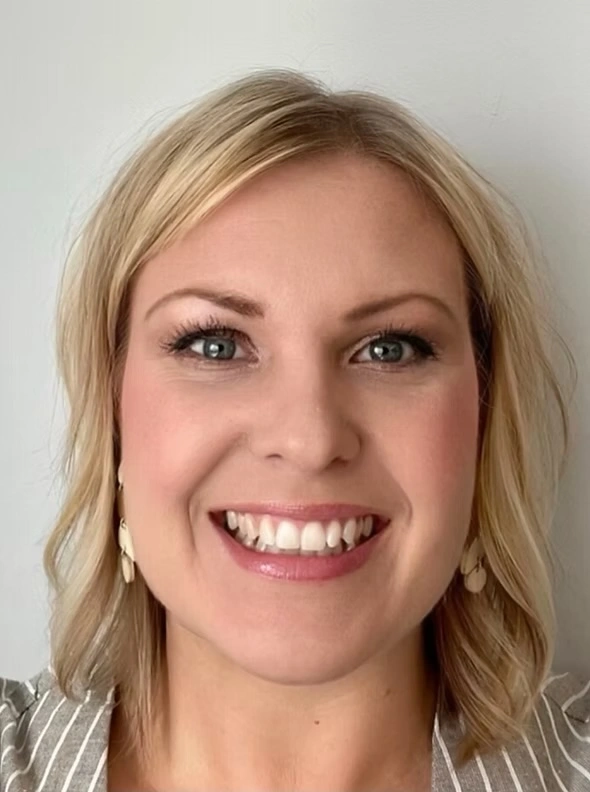

Tong Liu
Tong Liu is a music school entrepreneur who has built, acquired, and sold multiple performing arts schools across Utah and Arizona. She has a talent for growing schools through smart marketing and operational systems, and turned that into a repeatable model for buying undervalued schools and scaling them to profitability.
Season 1
|
Episode 22
The Music School Flip – Tong Liu on Buying, Growing, and Selling Music Schools
Tong Liu's path into music school ownership was anything but conventional. Raised in China, Tong spent years homeschooled and practicing piano 8 hours a day before moving to the U.S. at 17. She started teaching lessons out of her townhouse to fund graduate school, got reported to the city by a neighbor, and eventually rented her first commercial space. What followed was a series of deliberate decisions to build, grow, and sell music schools in a way few owners ever attempt: buying undervalued schools, systematizing operations quickly, and scaling enrollment before moving on.
In this episode, host David Martin sits down with Tong to unpack her unique model of buying, growing, and selling performing arts schools. From negotiating a $180,000 asking price down to $32,000 to running a school 12 hours away, Tong shares hard-won lessons on marketing, teacher hiring, SOPs, and the financial metrics that actually matter. Her perspective is refreshingly direct, and her story is one of the most distinctive entrepreneurial journeys the podcast has featured.
Tong Liu
Tong Liu is a music school entrepreneur who has built, acquired, and sold multiple performing arts schools across Utah and Arizona. She has a talent for growing schools through smart marketing and operational systems, and turned that into a repeatable model for buying undervalued schools and scaling them to profitability.
Watch the Full Episode
Show Notes
This episode discusses topics like:
- Buying undervalued schools is a repeatable strategy. Tong’s approach centers on finding overlooked schools, negotiating aggressively, and creating value through systems and marketing.
- Working on the business, not in it, is what drives growth. Early on, Tong taught most of her own students. The shift to hiring teachers and an admin to handle leads freed her to focus on marketing and growth, which allowed her to scale to over 200 students in her first location.
- Word of mouth alone will not grow your school. Tong is direct about this: consistent marketing investment is non-negotiable. From yard signs in her early days to Google Ads and Facebook campaigns, she never stopped spending on marketing because stopping, in her view, means stagnation or decline.
- Systems (SOPs) make your school sellable and scalable. When Tong acquired a school 12 hours away from where she lived, she had no choice but to build written standard operating procedures. She now considers SOPs essential for any school, regardless of whether the owner plans to sell, because they allow the business to run without depending on any one person.
- Hire for personality and communication, not credentials. Tong runs a two-stage interview process focused on personality, reliability, and a short teaching demonstration. She found no correlation between academic credentials and student retention and chose relational teachers consistently.
- Teacher incentives tied to attendance and retention reduce admin burden. Tong implemented monthly and quarterly bonuses for perfect teacher attendance and strong retention metrics. A $50 incentive for showing up to every scheduled lesson reduced last-minute cancellations and cut the admin time spent finding substitutes.
- Know your key financial ratios. Tong targets teacher payroll at roughly 50% of gross revenue, admin at 10 to 15%, and marketing at 10 to 15%, with heavier spending in the early growth phase. Tracking these percentages, rather than just total revenue, is how she identifies when something needs to be adjusted.
- Separate teacher and admin roles to protect your student relationships. After losing around 30 students to a staff member who had combined admin and teaching access, Tong now considers role separation essential. Having full access to student contact information alongside direct teaching relationships creates real business risk.
David Martin (00:11.145)
Well, Tong Liu, very nice to have you on the show. So happy to see you, my friend. We have known each other for a number of years, and I was just thrilled when you said you’d be willing to be on here.
Tong (00:20.023)
Yeah.
Yeah, thank you so much for having me here.
David Martin (00:26.493)
Absolutely, Tong. Well, you you’ve got a really interesting career in this industry. I really wanted to hear your perspective because you’re one of the few music school owners that you’ve done the startup thing, you’ve bought music schools, you’ve sold music schools. You’re like doing all of it, right? You’ve had experience buying and selling, you’ve experience starting up from scratch.
Tong (00:49.422)
Yeah.
David Martin (00:55.573)
You really are a very seasoned entrepreneur in this space. And so I’m just really excited about this show because I’m excited to hear kind of, you know, your journey along the way as you have learned how to do this and you’ve successfully accomplished this. I mean, as of this recording, I know you recently have closed on another one. So it’s really cool to hear, you know, that.
that your journey, know, along the way as your journey is continuing. but I wanna, before we get there, I wanna kind of go back a little bit to how you got into the industry, like how you got started. You know, lot of music school owners were musicians. Like that’s for me, I played the piano and I wanted to start teaching piano lessons. So like, what was it for you? How did you get started?
Tong (01:34.691)
Yeah.
Tong (01:39.694)
Mm-hmm. Yeah. Right.
Tong (01:46.444)
Yeah, so I grew up in China and my mom kind of is a tiger mom. So I don’t know if you’re familiar with that term. So she’s like, this is the career I’m picking for you and you’re gonna do it. So I was homeschooled for five years from middle school into high school. And I was basically forced to practice eight hours every day for those
for those five years and it was really hard for me. And we would travel, so we lived about 12 hours train ride to central Beijing, right? So to the capital of China and we would take train ride every other week to take piano lessons for two hours. And then we would come back and practice. So that lasted for like five hours and my homeschool subjects was basically
David Martin (02:33.737)
Wow.
Tong (02:43.704)
Practice and also learn English. I didn’t learn anything else. I’m like, I don’t know nothing about biology I don’t know nothing about chemistry. I can speak English. So so so that was that was very Very traumatic slash interesting journey I had to go through in my childhood and I came to the US when I was 17 years old and everybody was like were you sad about it and I was like, no, I was actually very
David Martin (02:51.689)
Wow.
Tong (03:12.792)
felt like freedom. So I did my bachelor’s degree. I started in California and my family ran out of money. I didn’t have any tuition, didn’t know how to pay tuition as an international student. It was very expensive. And then so I got connected with a professor I had met in China years prior. He was actually teaching in Idaho.
BYU-Idaho. So I got connected with him. I was like, hey, do you guys offer a scholarship? So I transferred to BYU-Idaho and finished my bachelor’s there because the tuition was cheaper. And then after that, I did my master’s degree. master’s degree was at University of Utah. And the tuition was, I still got a scholarship, but the tuition was way more than BYU-Idaho.
And I was like, I have to figure out a way to put myself through school. And what can I do? I can teach piano lessons, right? Like I already taught a little bit when I was in California and BYU-Idaho. So I just started picking up some students and it was, I was teaching out of like townhouse at the moment. And I had the neighbor that actually,
called the city on me. she, yeah, so she sent me, like the city sent me a letter saying that you’re not allowed to teach at this townhouse because it’s not a place of business. And then I started traveling to students houses because I’m like, I can’t afford to rent a commercial space. I actually tried to rent a commercial space and that was like my first business and that kind of failed.
David Martin (04:42.027)
really?
Tong (05:07.906)
because I didn’t know how to do it and the rent was super cheap. I think I only lasted for two or three months because I was going to school and I was an international student. So I’m like, forget about that. So I just going to my master’s degree and I started to traveling to students’ houses. So I would had probably like 20, 30 students while I was going to school.
And after that COVID hit, and that’s when I graduated. And I moved into my then boyfriend, now husband. I just never left his house. I was like, I’m gonna move in. You have a great space. I’m gonna teach piano lessons here. And he would come home and there would be kids with masks on and running in the yard. And so he was like, wow, this is not safe during COVID.
Um, so then I rented a commercial space, um, during covert year, uh, it was like $800 for like three rooms. Um, and I just moved all of my teaching to there. Um, and that’s, I think that’s when I first start first met you was that you were helping me coaching, coaching that, um, that, uh, school. Um, and from there on, I grew to 250 students and I bought.
another school in BYU, in Idaho, Rexburg, where I went to school. And that kind of became history for the rest of it. Yeah.
David Martin (06:45.013)
Wow. Wow. So you were teaching out of the house during COVID and then you moved. Now, how many students did you have when you were out of the house when you moved into that commercial space?
Tong (06:51.084)
Yes. Yes.
Tong (06:59.116)
I think around 50 to 60 students. So I had a good, yeah, was teaching, I had like one, hired my first violin teacher while I was still in the house. Yeah. Yeah.
David Martin (07:01.033)
Wow. And you were teaching all of them.
David Martin (07:12.381)
Wow. And then you transitioned to this commercial space where you had the three rooms and that allowed you to really start to expand a little bit more.
Tong (07:21.228)
Yeah, exactly. And COVID year was actually probably the best year ever because people were actually looking for things to do. And we had tremendous growth just in that one year. And so we had three rooms and then we had to rent the space next door with two extra rooms. So we outgrew all of that and then we moved into a bigger space with I think it was 2000 square feet.
David Martin (07:29.726)
Yeah.
Tong (07:51.2)
and renovated that whole space. Yeah.
David Martin (07:55.679)
So when you first moved into that space, you had the 50 students, you had the teacher, what were some of the things that you did to grow to that, you said 200 plus students within a fairly short period of time?
Tong (08:11.832)
Yeah, I think one thing I’ve learned along the way, I think either you told me or somebody else told me that you have to start working on the business instead of start instead of working in the business. Right. So I was teaching all of the students and then I realized that I can’t grow the school with just my time.
And I have to start hiring other teachers to help me take on more students. And I’ll also need admin to start taking on all of the leads. So I think once I have that realization is that when I realized that you can’t just rely on words of mouth, I hate when people just tell me just rely on words of mouth. I’m like, that’s never happens, right? You have to spend money on marketing in order to grow.
And you can’t stop marketing ever because that’s my mentality. Once you start, stop that, you are not, you are just played, you are just, you know, stick at one spot and you’re actually decreasing your enrollment.
David Martin (09:25.363)
Yeah, yeah. And well, it’s definitely difficult if you don’t have any kind of marketing happening to expect that you’re just going to organically grow, especially at the pace that, you know, like, I think, I don’t know if you’re this way, but I have always been impatient with my results. You know what I mean? Like, I think that might be the, you know, the curse of the entrepreneur is that like, it never happens fast enough.
Tong (09:30.317)
Right.
Tong (09:34.872)
Yeah.
Tong (09:42.754)
Yes. Yeah.
Tong (09:49.026)
Yeah.
David Martin (09:52.389)
And you’re always thinking two steps into the future, at least. But it’s even worse than that if you don’t have any kind of marketing in place or any growth plan or strategy. And that’s what I love what you’re saying. It’s like, well, you can grow word of mouth. It’s possible. And there are some people that do that. But you cannot have the expectation that you’re going to have that level of growth or that speed if you’re just going to
Tong (10:05.922)
Right? Yeah.
Tong (10:12.728)
Mm-hmm.
David Martin (10:22.121)
wait for word of mouth. And so you didn’t do that, obviously you implemented some marketing strategies. What were some of those strategies that you implemented right away to start to see that growth?
Tong (10:27.438)
Mm-mm.
Tong (10:35.022)
Yeah, so yard signs. So they were, yeah, I know they were like magic. And I stopped buying them from science.com and you would see my yard signs all over the city. And people are always so afraid of like, hey, what the city calls you and what can they do? I’m like, well, I’ll just take it down if they do. I, I,
David Martin (10:38.319)
Love it. I love it. It’s like one of my favorite strategies.
Tong (11:02.35)
I worked in that business for like two and a half years and no city called me on that. It’s yeah, like it just like every time it’s gone, I’m like, hey, I’m gonna go around another round of putting out to those yard signs and it works like magic. It’s probably one of the best marketing strategies I’ve ever done. And then, you know, eventually I get a little bit lazy, right? Like I’m like, hey, so much work to buy those yard signs.
let’s try Google Ads. It’s more expensive, but I don’t have to risk my life to put out those signs. and then, you know, Google Ads. So we relied a lot on Google Advertisement for that. And then eventually we did a little bit of Facebook marketing, but we didn’t do that until probably the most recent school. We relied a lot on Google Ads for the first two schools.
David Martin (11:55.125)
Hmm.
David Martin (11:59.133)
Yeah, yeah. So, okay, so you talked about these multiple schools. And so you had this, you you had this commercial location, you had 50 students, you grew it really fast, 200 plus students. When came the point at which you sold that school, moved to the next one? Like, how did that whole process started? Or how did that start?
Tong (12:08.61)
Mm-hmm.
Tong (12:19.596)
Yeah. Yeah. So I’ve had this school about like two years. I got a text from my previous professor at BYU Idaho in Rexburg, Idaho. And he was like, this school in Rexburg is trying to find a buyer to buy their school. Would you be interested in talking to them?
And I know the school because I actually interviewed at their school and they didn’t offer me a job when I was working there. So I got into contact with him. I’m like, hey, David, do you remember me? His name was David too. And he’s like, yeah, I did. I don’t remember why I didn’t hire you. So we kind of like hit it off. He had about a hundred students at the time.
he was trying to sell and he had run the business for 10 years. And he was kind of at the point that I don’t want to run it anymore. I just want you to take over. So I bought the business very cheap. That’s kind of my strategy is I buy businesses very affordable price. And then I didn’t know that I was going to sell my school. It turns out three months later after I bought the school,
I was approached by Brady with One Music School. He was a big competitor in my area, Utah. And he had approached me like, hey, would you want to sell your school? He had approached me a year prior, but I wasn’t ready. And when he approached me this time, I was feeling really burnt out. And I was like, OK, let’s talk.
And I’ve only hold on to the second school for actually three months before I sold both and turned into a profit.
David Martin (14:21.181)
Wow, that’s amazing. just the timing just happened to work that you got that into that one and then you were essentially flip it.
Tong (14:23.116)
Yeah. Yes.
Yeah, exactly. Yep.
David Martin (14:31.027)
Wow, so you sold them both at the same time? Okay, so then you didn’t have any schools.
Tong (14:33.56)
Correct, yeah.
Nope, no.
David Martin (14:38.441)
So you were a free bird with all this cash in your pocket and then what did you do?
Tong (14:41.506)
Yeah.
I contemplated my life choice and my life decisions for a while. Like, what do I do with my life? I don’t know what to do. Like, it’s all of a sudden, I don’t have any life purpose, right? Like I had goals in life and then kind of like reached to those goals. And then I’m like, okay, maybe I’m pretty good at this flipping music school thing, right? Maybe there’s something in me that I can…
keep on doing it. So I was just searching for music schools for sale because I really enjoyed the process of buying it and, you know, change the system into what I want and like build the team. I started talking to a lot of schools out there that they’re trying to sell their business, but I’m cheap, right? I only want to buy schools that essentially nobody wants, right? Like it’s like a project.
So I found Scottsdale Studio Music. So the back story of that is the wife unfortunately passed away and it was the wife’s business. The husband was, doesn’t know, really know what to do, how to run the business. He had listed the school for $180,000 at the time. And Brady actually talked to him and then,
was like, yeah, there’s no way this was is gonna be this much rights had some 8070 80 students. I lowball them. That’s kind of my strategy. I go in, I talk to them, and I make them realize that there is nobody else would buy this business because there’s no value to it. And then I bought the business for $32,000. Yeah.
David Martin (16:35.221)
Wow. Wait, wait, how did you get him down from 180 to 32,000?
Tong (16:42.734)
I think after people rejected him, I think it made them realize there is just no options because he had reached out to all of the local competitors in the area, in Arizona, to buy his school and nobody wanted to buy his school. And to be honest, it needed a lot of work. It was like 10 years.
David Martin (17:04.853)
Wow.
Tong (17:09.696)
And when we got into the school, there were 10 years of paperwork that was in the space and the place was like run down. The carpet was so worn out. We had to redo all of that. It was like a project. So I think I just, you know, I told them like, I’m your only option. You either want to sell it or you, you would have to hold on to this forever and it will eventually run to the ground.
David Martin (17:39.541)
So you essentially just, you kept in the conversation with him. You stayed firm on your price, on your offer, and he eventually just relented because it sounds like there were just no other options out there. And I think a lot of times when people try to sell their business, they sort of have a fantasy of how much it’s worth. A lot of that is tied to emotion and not always tied to actual dollars and cents.
Tong (17:47.021)
Yeah.
Tong (18:01.164)
Yes. Yep.
Tong (18:08.813)
Right.
David Martin (18:08.885)
which is where it gets, I think, really tricky. I mean, I even remember when I sold, it was like, it was hard, and we got a great price for it, but it was hard because it was my baby. know, it’s like I started it up, I built it, and did all the stuff. And so, it’s really, like when you put like a black and white number on it, you know, just like, this is it, then there is something about that that’s so tricky. So, I mean, I can definitely, I can understand why people do that, but you’re right, like,
Tong (18:21.228)
Right.
Tong (18:27.714)
Mm-hmm. Right.
David Martin (18:38.335)
It’s only worth what it’s worth if it’s generating X number dollars and that’s what it’s worth. So okay, so you went in, what I’m so curious about is like, okay, you have this school, you just bought it, now you have to come in and decide, what are we gonna replace, are we gonna replace the carpet, we gonna, the systems, the software they’re using, there’s so many things I feel like you have to,
Tong (18:40.13)
Right.
David Martin (19:07.493)
Look at what do you do first? Like how do you organize all that in your brain?
Tong (19:12.718)
systems, right? like, they don’t everybody was paying all sorts of forms of payment. So they have cash, they had checks, and they had mostly checks. And we the first thing was like, I’m gonna get everybody onto Opus, right? That’s that’s kind of my, my thing, like we need
David Martin (19:21.973)
Mmm.
David Martin (19:37.023)
So you wanted to get their CRM, you wanted to get every, like all of their operations on the Opus one, so that way, because that’s the CRM you’re used to, and let’s be honest, it’s the best one, and that allowed you to start organizing things. Interesting.
Tong (19:40.589)
Yes.
Yep.
Tong (19:49.24)
Right.
Tong (19:53.026)
Yep, exactly. Yeah. So we transferred everybody to the new CRM and I lost one student because of it. And they had probably 70, 80 students. Everybody was happy, right? Like, hey, we don’t have to remember about bringing the check anymore, right? Like it’s just auto pay. And we spent about probably a week there cleaning everything, cleaning by, you know,
David Martin (20:10.847)
Mm-hmm.
Tong (20:21.582)
throwing out paperwork that was there for about 10 years. We threw out a lot of old chairs that looks like, you know, grandma furniture. And we bought like, we didn’t even have to buy new chairs. They had so many, but they didn’t use them. We just cleaned the space a little bit more, but we didn’t paint and we didn’t do the carpet because that’s something that we negotiate into.
the new lease, the landlord actually did all of that for us. We bought it in August. And then in December, the landlord actually repainted the space for us and did the carpet. And we were living in Utah at that point. So then I had to learn how to run a school that is 12 hours away. So hiring the right admin.
having the right CRM, having the cameras, all of that, it was very important and it was good for me because I was living, like my first school, I was living about 10 minutes away and every time there’s something wrong, I would be like, I have to be at the studio to solve this problem. But when you’re living 12 hours away,
you’re kind of like, well, what do you do? I can’t be there to solve the problem. What can I do to hire the right person or to have the right system to figure this out? Because I can’t be there to figure it out in person.
David Martin (22:03.911)
How did you? Did you have a manager? Did you find a manager? Was it a teacher?
Tong (22:08.511)
Yeah, we had hired so many different admins. I think that’s the one thing that I still haven’t figured out in this business is how to have the right admin person. So we had a lot of admin person and then we actually had one that was great. She was an admin, she was a teacher, and then she eventually stole about 30 students from me.
David Martin (22:21.704)
Hmm.
David Martin (22:35.389)
Yeah, yeah, I had that experience too. So walk me through that. How would you go back and protect yourself from this person that did that to you if you were to go back and do it again?
Tong (22:47.438)
That’s it’s a hard one. I think having the separation of the role is important. She was having all access to all of her students contact information because she was an admin and also she was a teacher. And
I think if I were to go back, I would definitely separate those roles and just have very clear cut. And she might still be able to poach, right? Because you have these one-on-one conversations with your students, but I think it could have minimized the loss there.
David Martin (23:37.213)
I think that’s probably why is, you know, there’s only so much you can do, right? Like that’s why I asked the question, because it’s like when you really sit and think about it, these teachers are spending all the time with the students. You’re not spending time with the students and they really are the authority in that students like lesson experience. And so when they go and decide.
Tong (23:49.517)
Yes.
Mm-hmm.
David Martin (24:02.111)
to become your competitor and try to poach the students, they do have a strong pull. But I think you’re right. I think it’s dangerous to just give them full unfiltered access to the students and parents texting throughout the week and all that kind I know there are schools that do that, but I think when you’ve had the experience, which I did, and I actually, I had a teacher, he wasn’t even, he had no access to admin.
Tong (24:14.733)
Mm-hmm.
David Martin (24:30.389)
But he just decided to go start a music school about a mile away and he even took part of our name. And so it kind of was this confusing thing. we even had a family, the only way I found out by the way is I had a family walk into our lobby, be like, hey, we’re here to sign up. We talked on the phone and my admin is my manager actually. was like, yeah, don’t think, are you sure you’re talking, not at the right place?
Tong (24:48.718)
Mm-hmm.
David Martin (24:58.965)
So she rattled off the name and she’s like, oh yeah, that’s not our name, but that’s, like is that? So she looked it up and sure enough, there’s his mugshot right there on the front of the website. And so we realized what was happening. Like he was trying to get all of his students to move over. And of course we were able to step in and.
Tong (25:11.719)
my gosh.
Tong (25:20.3)
Mm-hmm.
David Martin (25:27.209)
But that’s, mean, so he was just a teacher. He was just a teacher and he just decided to do that. I mean, there’s only so much you can do, but I agree with you. It’s probably not advisable to have, to like have teacher and admin cross, you know, without some pretty ironclad contracts in place to protect you, the business from, you know, from them.
Tong (25:30.136)
Yeah.
Tong (25:44.386)
Yes.
David Martin (25:57.139)
being able to do that. So, because I think what happens too is teachers get this attitude of like, well, if Tong can do it, then I can do it. I can go start my own school. She did it. Look how successful she is. I can do it. And they start to, there’s kind of a little bit of that. You know what I mean? Have you experienced that?
Tong (25:59.649)
Right.
Tong (26:09.099)
Exactly. Yeah.
Tong (26:13.186)
Yeah, yeah. Right.
Yeah. Definitely. Yeah, I can I can definitely see why she did it. And that’s, it’s unfortunate. They don’t see the blood and sweat behind it. I think that’s people think is so glamorous, what I can achieve, right? But they don’t see
the impact is on me emotionally and how hard it is actually to build this, right? And it’s hours and years of trial and error to get to where it can be today. It’s not like magic, but it takes so much effort.
David Martin (27:10.911)
One of my favorite business coaches, his name is Stu McLaren, he said something really profound one time. He said, when people look at you in your success, they’re only seeing your front stage. The way you look when you walk out on stage, you’re all dressed up, you’re all clean, you’re saying your lines, and it looks perfect, right? What they don’t see is your back stage.
Tong (27:25.4)
Mm-hmm.
David Martin (27:40.063)
people running around scurrying, trying to move the costumes here and there, moving the set pieces, all that kind of thing. It just looks like chaos. People are stressed out, you know? That’s, in order to have the front stage, you have to have the backstage. And people don’t see that, though. And so they make assumptions, like, it must be easy. Tong must have just sort of walked into it.
Tong (27:46.444)
Yep. Right.
Tong (27:58.775)
No.
Tong (28:02.872)
Mm-hmm.
Right.
David Martin (28:06.299)
And so therefore I can do it too. And it’s amazing how prevalent that is. that always stuck with me, that saying. And I think it’s so true. So we have to, unfortunately, we have to kind of protect ourselves a little bit as it relates to teachers. Okay, so you had this school, right? And so kind of walk me through, like what happened next? How did you get to the next step?
Tong (28:08.461)
Yeah.
Tong (28:20.694)
Yeah.
Tong (28:26.903)
Yeah.
Tong (28:34.254)
Yeah, so that was kind of pivot point to to me was when the teacher stole that many students, I actually talked to a lawyer. I said, what are my options? Can I sue her? And they basically said, how much money do you want to play on this Russian roulette? How much money are you willing to lose on this? Right? Like, is it worth for you to pursue? So I kind of drafted
like cease and desist letter. And I was so cheap. I basically like type it myself and have one of our HR person typed it. And then like the lawyer just read it then we sent it to her. And what really pissed me off was she had one of our current students, dad wrote me a letter back. And this student is still taking lessons at
the school that I just sold. the parent has two kids and one of the kid is taking lessons with her at her home and the other kid takes lessons at our school.
David Martin (29:34.857)
Hmm.
David Martin (29:45.609)
That’s interesting. Yeah, like what was the logic there? Wow.
Tong (29:49.838)
No idea. They still do. They still take lessons at the school. And I was like, okay, if I can spend like $30,000 to try to pursue this, why don’t I spend $30,000 to open another music school?
because there is no end to pursue legal action with her, right? It’s 30 students I lost and I’ll get it back. So then I opened my fourth location, essentially, well, the second one this time around with zero student. And there are times that I question my decision on that because it’s…
David Martin (30:33.759)
Yeah.
Tong (30:35.27)
Very, hard to start from zero student. I’ve never done it. And I tell everybody I don’t recommend it to anybody that wants to start from zero student.
David Martin (30:48.541)
Yeah, that’s interesting. Well, I mean, technically you did start your first one, though, didn’t you? Like teaching lessons.
Tong (30:48.654)
Yeah.
Tong (30:53.494)
Yeah, but I was teaching, but I was teaching lessons so that offsets a lot of the financial burdens. But when you’re starting from ground up, you the sign cost was $7,000 just in stupid signage and pianos. We had to buy like five pianos and you know, you would spend just so much money into marketing.
David Martin (30:59.967)
Sure.
David Martin (31:09.171)
Yeah.
Tong (31:20.542)
And the cost per student for those first year is ridiculous compared to the ad spans.
David Martin (31:29.725)
It’s so, I love this perspective. We don’t hear this enough, I think, because so many school owners are starting, like they’re starting up, they’re starting their, you know, their location, they’re starting up a new location. But you don’t hear this perspective very often that it’s like, no, it’s actually a lot easier to just buy. Just like skip over all the initial startup costs, just just jump right in. Now, that’s not to say that there aren’t.
Tong (31:48.556)
Yeah. yeah.
David Martin (31:55.709)
risks and challenges and things that you have to undo, right? So talk about that. Like, what would you say after doing this a few times? What are some of the things that you feel like you need to go in and undo?
Tong (31:57.411)
Yes.
Right, right.
Tong (32:10.734)
I think have a good CRM system. Like that’s very important. A lot of these schools that they either don’t have one or they use other platforms that I personally wouldn’t recommend to other people. So exactly, exactly. you said, it’s the best. Like I was one of the first customers.
David Martin (32:31.037)
you’d recommend Opus One. Yeah.
Tong (32:40.298)
of Opus and Sam was the one that was like teaching me how to do everything on Opus. That’s how early I got into Opus.
David Martin (32:49.395)
What would you say, just a little rabbit trail here, but why would you say Opus One is the best?
Tong (32:55.662)
I think it’s just all in one. You don’t have to have multiple platforms to perform your day-to-day operations. There’s the payment system, the scheduling, very user-friendly for the front desk, and the automations where you can send automated follow-up messages where you alleviate a lot of admin stress as well. Campaigns, you don’t have to use other platform to do that.
just very seamless, the whole experience.
David Martin (33:30.995)
Yeah, that’s great. That’s great. you go in and first things first, it’s like, what CRM are you using? What are your systems to sign up students to manage the schedule? That’s the first thing that you wanna check. Okay, what else?
Tong (33:45.91)
Yes, exactly. And do they have a what is their student policy? What is their makeup lesson policy? Are they using less a mate? Are they just do not have a makeup lesson policy? What is their SOP on anything? Most of these schools that they they don’t have SOP and they
They don’t have a system. The system is in the owner’s head and they just go with the flow.
David Martin (34:24.319)
How would you describe, so I know what this is, but just for the sake of the listeners that might not know this, an SOP, how would you describe that and why is that important?
Tong (34:33.554)
it’s basically, if you were to remove yourself, the, the, the school can still run without you. Like, how would you want the school to run if you’re not there in person or if you are, you know, a thousand miles away, right? So it’s, it’s a system, it’s, it’s where it’s a system where
people can follow without you having to be there.
David Martin (35:06.035)
Yeah, exactly. you know, SOP is standard operating procedure. It’s the thing that you like, you said it so well. It’s like, if you’re not there, like what happens? How does it get done? And you had the unique experience of buying a school that you were 12 hours away from. So you had to do this by necessity. Right. But I think every school owner, whether you live 12 hours away or 12 minutes away, you need to have these in place.
Tong (35:16.47)
Right. Right.
Tong (35:26.06)
Right.
David Martin (35:34.133)
because it makes your school, I think, run more smoothly, but it also makes your school more valuable overall. So whether you sell it or not, to know that you, like, you have these systems, these SOPs in place for every possible scenario. So parent calls in there, I rate that, the teacher, you know, whatever, they yelled at their kid during the lesson or whatever. So then how does that get handled? Who handles it?
Tong (35:38.232)
Yes.
Tong (35:59.53)
Right. Yep. Right.
David Martin (36:02.653)
What is the process, right? That SOP describes what happens in the order and the chain of command and all of that kind of stuff. You had to create that because you weren’t on site.
Tong (36:11.522)
Mm-hmm.
Tong (36:15.328)
Right. Exactly. Yeah. And that’s one of the, the, the, the new, the in the first two schools, I’m going to be honest, I didn’t have SOP. Like I, I didn’t even have like an admin at one of the bigger locations. I was using virtual assistant because I couldn’t find a good admin person to run the school. And so the virtual assistant was handling the day-to-day operations and the harder conversations was done by me and another.
person. So that’s the main reason I was feeling so burnt out. when with Scottsdale, I had to learn to start writing all of these SOPs because I’m like, I can’t go back to the way how it was running before. It was functional, right? It was great. But it can be better, right? I need to remove me from the operations even more so it can grow better.
yeah.
David Martin (37:17.629)
Let’s talk about teachers for a minute. I feel like this is one thing I hear often in the industry that’s like, I can never find the right teachers and I’m always looking for teachers. What do you do and how do you find teachers?
Tong (37:30.072)
Mm-hmm.
Tong (37:35.916)
Yeah, so we actually have indeed ads that we never take down. So it’s definitely a struggle to find good teachers. When we find teachers, we don’t necessarily look that look their college degree. So they don’t need to have a bachelor’s degree in music or they don’t be need to be a master DMA. I come from a very classically trained, excuse me, background. And I’ve seen
doctorate students teaching young kid piano lessons and it was cringing because they can’t talk their level. They don’t know how to teach the kid. This is middle C and let’s play Mary has a little lamb. Right. Like they are so deep into their own music world. They try to complicate everything. So that’s a realization that I
I came to realize that you don’t need to have a DMA to teach some kids about middle C. And so when we hire teachers, we look at how their communication skills are. Are they friendly in their interview? Do they have a good personality? Like, can they be reliable? And that’s a hard one to tell. Right. That’s a very hard one to tell.
So that’s what we look for in our teachers. And we started to implement a lot of incentives to our teachers to make them hopefully stay with us a little bit longer. Yeah, but it’s definitely a struggle with finding good teachers.
David Martin (39:23.007)
So you use Indeed to find them. They come in for an interview. Is it a multiple stage interview or?
Tong (39:25.068)
Mm-hmm.
Tong (39:29.59)
Yeah, so we do tucsage. I do the preliminary round, actually. So I do the Zoom one. And I see how their personality is and if they’re good or not. And then we actually have like an in-person round where they meet with our operations person. And they do a 15-minute trial lesson with them. So basically, like, see how they actually teach.
We don’t ask them to play anything if they want to play, that’s completely fine. Again, their performance scale is not linked to their teaching skill. So and after they’re on, we either hire them or we tell them, you know, it’s not a good fit.
David Martin (40:15.989)
So you don’t require the teachers to have a degree. And so some of the teachers that are coming in and teaching for you have maybe had some college or maybe no college, but because they have the personality, the charisma, and they have enough knowledge to teach, that’s good enough. Well, and it’s interesting because I’ve had so many conversations about this and I…
Tong (40:18.892)
Nope.
Tong (40:32.705)
Yes. Right.
David Martin (40:42.715)
I fell in the same camp as you. know not everybody feels this way. But I personally feel like the relationship is the most important parts or a relational person, somebody that cares about the student that wants to, know, like those are the teachers not only that I like to have in my schools, but I found that they actually had the best retention rate, which is interesting. actually degrees.
Tong (40:45.186)
Mm-hmm. Right.
Tong (40:51.874)
Yes.
Tong (41:09.058)
Mm-hmm.
David Martin (41:12.627)
did not necessarily carry over into like better retention. Because as a music school owner, that’s really the most important metric, right? If we’re just talking about business, I know there’s other factors, right? So let’s set those aside. If we’re just talking about the business, the best teachers are the ones that keep their students the longest. So I personally did not find any correlation between degrees and retention. It didn’t cross over.
Tong (41:31.011)
Yes.
Tong (41:37.005)
Yep.
David Martin (41:40.585)
Now, I will also say though on the flip side of that coin, I did have teachers that did have degrees that had great retention. So it wasn’t like it meant they had worse retention. It just there was no correlation. I had some of my best teachers. In fact, my best teacher, she was with me the entire time I owned my school. It was like 15 years or something like that. She had no degree and she really didn’t even have very much teaching experience when she came to me.
Tong (41:45.75)
Right, exactly.
Tong (42:03.864)
Mm-hmm.
Tong (42:09.486)
Mm-hmm.
David Martin (42:09.593)
She taught her kids. She taught her kids, you know, music when they were growing up. She homeschooled them. And fascinating lady, but just really loved the young kids, you know, like the five, six, seven-year-olds. She taught with me for all 15 years that I had my schools. And she stayed with me. She had the best retention rate of any of other teachers. I had hundreds of teachers over the years. She had the best…
Tong (42:23.363)
Yeah.
Tong (42:34.072)
Yeah.
Right.
David Martin (42:38.675)
retention rate of anybody. It’s amazing, it’s amazing. But that’s why I say, you know, like it’s not, there really isn’t a correlation. So I think that’s really interesting that you’ve kind of landed on that same thing. But here’s a question for you. How do you retain the teachers? How do you keep the good ones excited to stay with you and not wanna go start their own thing or feel like, I’m gonna go to this other school that’s paying maybe more?
Tong (42:41.538)
Yeah.
Tong (42:54.339)
Yeah.
Tong (43:04.875)
Yeah, yeah. So we started doing incentives. So we actually do that, do it monthly and we do it quarterly. So basically we look at everybody’s retention, conversion and their attendance. So those are the three metrics that we are tracking every single month. And we basically list who is the best in retention. We give them cash price.
who is the best in performance, like attendance, then we give them another prize. And if you are three months in a row, you are achieving this, we give you another prize. So this is something that we started implementing six months ago, and it has been working fairly well to like the majority of our teachers. We still have teachers that are leaving.
And with the new teachers, we started doing is we did the 30, 60 day and 90 day check-in slash evaluation. So if they perform well within those 90 days, they actually has the opportunity to get a raise rather than you just wait for your six months evaluation. We do a contract renewal of every six months. So I feel like that has been doing like helping a lot with the teacher retention.
And another thing that we could do better is basically have more teacher get togethers. That’s something that I’m not the best with, to be honest, because I come from a background that just didn’t value any of this part, right? You show up to work, you get paid, and you’re happy, right? Like, it’s a very new, like, still a culture that I’m trying to understand. But I think having those incentives definitely helped with our teacher retention.
David Martin (44:48.029)
Right.
David Martin (44:59.657)
That’s interesting, so you reward them for attendance. I’m trying to figure that one out. How can they control when a student shows, are you talking about student attendance or are you talking about teacher attendance? okay, okay. So if a teacher calls out because they’re, you know, wanna go to the coast or whatever and barbecue or whatever, but like they’re leaving and not teaching, you’re saying no, we’re gonna reward you for how many days you’re.
Tong (45:03.319)
Yes.
Tong (45:10.376)
No, teacher tennis. Yeah.
Tong (45:22.702)
Right.
Tong (45:27.352)
Correct.
David Martin (45:29.598)
You’re there.
Tong (45:30.03)
No, we only give out rewards for perfect attendance. exactly. Yep. So if you are coming in for the entire month of March, based on how many students you have, we’re going to give you a reward. Yeah.
David Martin (45:33.989)
perfect attendance.
David Martin (45:46.321)
Interesting. So you could have multiple teachers have perfect attendance. So this isn’t like a first, second place kind of thing. This is if you have perfect attendance, you get this incentive. Interesting. What’s the incentive? What’s the bonus?
Tong (45:50.028)
Mm-hmm. Right.
Tong (45:55.276)
Mm-mm.
Tong (45:58.766)
Right. Yeah. It’s like, I think 50 bucks or something like 50 $25. Yeah.
David Martin (46:05.417)
Wow, I mean, that’s significant enough to get people’s attention, you know? Like, that’s pretty cool. So all they have to do is be at every single lesson that they’re scheduled to teach. What do you find percentage-wise? have you found that you’ve improved your teacher attendance?
Tong (46:09.632)
Right. Exactly.
Tong (46:17.934)
Mm-hmm.
Tong (46:29.474)
Definitely. I feel like people are trying harder. And when we have these six month reviews, I think we had one teacher, we were like, you were absent for about 28 times within the last six months. And they’re like, wow, I didn’t realize. I’m like, yeah, you had gigs 28 times.
David Martin (46:50.868)
You
Tong (46:54.35)
within the six months and it was like an eye-opening experience for all of us, right? Like, we know that they gigged a lot, but numbers don’t lie. And then after that, they do start to take less and less time with gigging because, you know, they realized they were taking so much time away.
David Martin (47:15.541)
Wow. Well, that’s really cool. I like that. I’ve just never heard of rewarding based on attendance, but it makes total sense because you’re right. Like gigging is one of the things that we have to kind of fight against as school owners. It’s like, well, no, we want you to gig. We want you to have like, that’s a really important thing in your life, whatever, but we also need you to show up and teach. And so it’s…
Tong (47:30.86)
Right.
Tong (47:38.914)
Right. And just the time off requests, you know, like I did the math. I’m like, our admin spends what five to 10 hours per every other week trying to find subs for these teachers. And we have problems of finding the right sub and the parents are not happy. And then we have to, you know, give them credit. It’s a huge mess. And if I’m just giving that money to people actually show up to work.
It’s basically the same amount and my admin can focus on other things.
David Martin (48:10.205)
Now it’s a good point, yeah. They know that they’re gonna get a bonus just because they showed up, then that might mitigate their desire to be like, well, maybe I’ll just go to this gig and make some extra money. It’s like, well, no, you’ll make extra money if you just stay showing up. But now that’s interesting, that’s really interesting. Community is an important element to the teacher experience. I know that was something that we started focusing on.
Tong (48:24.919)
Right.
David Martin (48:38.101)
and it really did pay off. It’s kind of one of those, you can’t exactly put your finger on how it pays off other than I feel like it improves morale of teachers. And I also think it improves teacher retention. But having an opportunity for teachers to gather and to collaborate with, know, sharing teaching ideas. We even had a teacher,
Tong (48:50.574)
Yeah.
Tong (48:59.724)
Right.
David Martin (49:07.701)
We call it the teacher, what do we call it? The teacher training hub, I think. But it was a website where I actually went and I interviewed some of our most successful teachers at different things. know, like retention of course was one of them. And I interviewed these teachers like, how do you keep your students? You know, I would go to the top teachers with the best retention. I’d be like, what do you do? And so they would give me all kinds of ideas and all these different things. So I just recorded it and I put it onto this.
Tong (49:26.52)
Yeah.
Tong (49:31.256)
Mm-hmm.
David Martin (49:37.717)
website and I gave a username and login access to just the teachers in our school. said, here you go, here’s a free tool for you to use. We also, we did monthly community gatherings. So we call them teacher assemblies and teachers could show up, would have like coffee and donuts or something. And we would have teachers speak at these teacher.
Tong (49:44.866)
Right.
David Martin (50:07.433)
assemblies, sometimes it was small, sometimes there’d be more people there, but that was a way to get teachers together. So there’s a lot, yeah, they think there’s a lot of different things you can do, but I think doing something is a good start, right? Something. it’s also a resource, I think, for teachers. And it’s something that you can also point to when you say, your retention is not.
Tong (50:21.026)
Yeah. Right.
David Martin (50:36.063)
great right now, you’ve just been dropping students. so here’s something that I would encourage you to plug into more. Teacher assemblies, the teacher training hub, know, whatever, like whatever the thing is that you’re providing, that’s a way to kind of bring some community together. I think it’s really important. so I think your instincts are right in that that’s a.
Tong (50:37.367)
Right.
Tong (50:44.867)
Yeah.
Mm-hmm.
David Martin (51:04.211)
That’s a thing that you can add to your already robust strategy that you have with hiring teachers, retaining teachers. Your teachers are independent contractors or are employees?
Tong (51:16.14)
other contractors.
David Martin (51:17.961)
Have you ever had any issues with that with the state employment department?
Tong (51:21.74)
No, knock on wood, it’s not yet. No.
David Martin (51:25.329)
What’s keeping you from just making them employees and not worrying about it?
Tong (51:29.966)
The cost, I think of the tax, how much I would have to pay in. I think that’s probably the biggest deterrent.
David Martin (51:39.771)
Okay. Do you know what the cost actually would be?
Tong (51:43.566)
I run some math on it and I think it’s extra depends on the teacher could be extra like $7,000 for the year if they’re making, you know, $30,000 or something. Yeah.
David Martin (51:58.869)
Yeah, I feel like when we switched, it was about 15%. I couldn’t put a dollar number on it, but it was, I think it was about 15 % difference. But it depends on the state, right? Some states are a little bit more aggressive about going after businesses that have independent contractors, like service-based businesses. You know, I California is famous for that. You know, I was in Oregon.
Tong (52:10.786)
Right.
Tong (52:15.918)
Yeah.
Tong (52:23.82)
Mm-hmm. Right.
David Martin (52:28.277)
not a lot different than California, believe it or not, but very difficult to get away with just classifying them as independent contractors. I got multiple phone calls from the state employment department, like phone calls, not just letters, like they were, and they never actually audited me, but they threatened to audit me. And they would like, they would ask, you know, this and that. And I was always ready for it, you know?
Tong (52:42.061)
Wow.
Tong (52:50.318)
jeez.
Tong (52:55.01)
Yeah.
David Martin (52:55.561)
But at a certain point, I just kind of got tired of like looking over my shoulders. Like, you know, the fine is pretty astronomical for if they do audit you and if they do find you guilty of misclassifying your teachers. To me, it was like, you know, I can make adjustments in pricing. I can make adjustments in how I pay my teachers, like do more of a tiered pay and start them lower. That to me, it was more than worth it.
Tong (52:59.647)
Yeah.
Tong (53:20.131)
Yeah.
David Martin (53:25.045)
And actually when I did make the switch, it was interesting, when I did make the switch, my teachers actually thanked me for it. I’m still not exactly sure why. I think it was because they felt more secure, I think, as employees. But anyway, it’s an interesting little challenge that we have to face as school owners, whether you have the independent contractor or employee thing.
Tong (53:33.187)
Yeah.
Tong (53:41.122)
Mm-hmm.
Tong (53:47.704)
Right.
David Martin (53:51.285)
But yeah, I think you are taking a little bit of a risk there, but it does depend on your state employment department.
Tong (53:55.586)
This tape? Yeah. Yeah, exactly.
David Martin (53:58.503)
Yeah. So what are some financials that you track? Like when you’re looking at your numbers for your school and like how, like are you doing well? Are you not doing well? What are like some of the critical numbers that you are watching?
Tong (54:06.434)
Yeah.
Tong (54:16.494)
I think the total money that’s come in, right? How much money we are paying the admins, the percentage and how much we are paying the teachers percentage wise and how much money we are paying for advertisement. So those are the big things, the biggest spend that I have. Well, other than, you know, rent, but
David Martin (54:21.491)
Mm-hmm.
Tong (54:46.078)
it’s rent is you can’t rise fixed, right. So all of the other expense, I do look them once in a while, every six months or so I should look a little bit more more often. Then I make adjustments on if we are spending say, you know, 60 % on teachers, which we never do. But
David Martin (54:49.705)
Fixed. Yeah.
Tong (55:14.798)
If that’s the number, then you realize, oh, this is too much. Then how can we bring the tuition up and then hire teachers at a lower rate to offset that? You can’t change the current teachers. They’re at that rate. And if the admins are costing too much, again, same thing. Do we hire admins that are a little bit cheaper?
giving them less hours and then do virtual assistant instead. So that’s something that I always keep an eye on it.
David Martin (55:49.013)
So what are the targets? What are the, so you basically said, you said payroll for your teachers and your staff, your gross revenue, so total money coming in, and then your marketing spend, which that’s definitely variable depending on the time of year and all that kind of stuff. what are those targets? Like what numbers are you shooting for?
Tong (55:58.892)
Mm-hmm, right.
Tong (56:04.962)
Mm-hmm.
Yes.
Tong (56:14.894)
Yeah, so it really depends on the size of the school. So I have to say that when we are having the new school, my as expand are way more than it should be. Right. Like there was a time I was like, OK, we should aim for 10 % of the gross revenue. But at 10%, if we’re only the whole month, we’re only making like $10,000, bringing $10,000 for the new school.
I can’t just spend a thousand dollars on marketing. I never grow this school, right? So my mentality is that we have to throw so much money into marketing at the upfront to flip the coin, right? So it’s breaks even and then from there, there on we can dial down, but like a good 10 to 15 % on marketing would be a good spend for me. And then for the teachers, we’ve been hovering around like 50.
David Martin (56:47.4)
Right.
Tong (57:13.442)
percent the gross revenue of the gross revenue. And then we do probably like 10 to 15 percent on the admins. And again, it depends on the size of the school.
David Martin (57:30.613)
Sure, sure, so around 60 to 65 % of overall payroll, I know your contractors technically aren’t payroll, but we’ll just assume that they are all part of payroll. like teachers and admin staff, 60 to 65 % is what your target is with your school. And then you have another 10 to 15 % because you’re growing the school, right? Yeah.
Tong (57:43.651)
Yes.
Tong (57:49.59)
Right. Mm-hmm.
Tong (57:57.326)
Yes, right. And that’s how I grew my school. The Scots location from 70, you know, 80 students to 350 in two and a half years. We’re constantly brain. We’re spending so much money into marketing every month to keep it going. But, you know, it pays off at the end.
David Martin (58:11.347)
Yeah, yeah.
David Martin (58:24.605)
And when you’re looking at your marketing and how much you’re spending, where does most of that money go? Is it Google? Is that the main?
Tong (58:35.35)
Yeah, Yeah, I mean, it’s on Google. And we do spend half of what we’re spending on Google ads into Facebook. But for me, I like to see what’s the customer acquisition cost at the end of the day, right? For us right now, it’s about $200, which is not bad. But then the problem is the retention, right? And that’s one thing that
I think having the conversation with you a couple of weeks ago was the problem is not in your marketing spans. The problem is in your retention. the music school owners always have to look at those two sides. A lot of them, they’re just not spending enough money on marketing. But for somebody like me, it’s like, the sky’s the limit. How much money do you need? I’ll give it to you for the marketing.
but I am not necessarily looking at retention and that’s where it’s falling a little bit at the moment. But again, this is a new school. You can’t have a retention with two years when the school just opened for a year, right? So it does come with the more that you are there, the teacher is more stable and the retention will be better. Sometimes it just takes time.
David Martin (59:53.415)
Right. Well, in addition to retention, because there’s really three prongs to this. There’s the attraction marketing, which is like you say, putting money out there, getting people to raise their hand saying, I’m interested. But then there’s the second one is actually the one I think most people struggle with the most. It’s conversion marketing, which is like, hey, let’s call them every single day until they say yes or no, or let’s email them or text them. But then on the back end, once they sign up and they
Tong (01:00:01.112)
Mm-hmm.
Tong (01:00:06.061)
Right.
Tong (01:00:13.826)
Mm-hmm.
Right? Yep. Right.
David Martin (01:00:23.321)
transact with you, then there’s the retention piece, which is like, are they going to stay with us two years, three years, one year, three months? I usually, you know, I think for the startup, one of the biggest challenges, and you just said it, is how do you get them to like, you know, to stay and not drop within three months? You know, those first 90 days are like tough. And so what have you kind of been thinking about?
Tong (01:00:43.575)
Right.
Tong (01:00:47.874)
Yeah.
David Martin (01:00:51.987)
like to improve that initial, those 90 days to get them to stay in lessons.
Tong (01:01:00.558)
I think we should probably do like checking calls with these parents. It’s something that I do lack of, like I, I focus so much on the growth and that’s kind of my, I’m really good at it. Like I do great with conversion and retention wise. I don’t focus so much on it. So I think implementing checking calls, having like a reward system.
would eventually help as well. Again, I never grow my business to a point where I need them, right? I usually just sell, sold them before it all happens. So my stage is always bring from 100 to 350. And when I started thinking about retention, I’m like, it’s time to sell, right? Like, is this I never got to that point of trying to figure that out. So it’s this very
David Martin (01:01:39.679)
Yeah.
David Martin (01:01:54.357)
That’s a unique, that’s such a unique perspective, Tung. I love that, I love that.
Tong (01:01:58.74)
Yeah, yeah, I never grow to the point where like, well, we’re talking about culture. I’m like, no, we’re talking about growth. Like every school is like growth. So it’s yeah, it’s maybe the school I’ll focus on on that. Culture and retention. Yeah.
David Martin (01:02:05.577)
Ha ha ha ha
David Martin (01:02:13.525)
Yeah, yeah, yeah. Well, and it’s such a hard thing. I think, I mean, you said it, 300, 350, once you hit that mark, it starts to become more of a pain point and it just gets more and more, you know, the bigger you get. And it’s tough because if you’re, you know, if you’re signing up or if you’re dropping eight to 10 % every single month, then…
Tong (01:02:26.88)
yeah.
Tong (01:02:39.106)
Mm-hmm.
David Martin (01:02:41.301)
That means you have to sign up more than 8 to 10 every single month. And so the whole thing just starts to kind of break down because, especially if your cost to acquire starts to creep up 200, 300, 400, then the whole thing, it eats into your margins. It’s an interesting thing, yeah, yeah. So.
Tong (01:02:44.178)
yeah.
Tong (01:02:49.934)
Mm-hmm.
Tong (01:02:56.43)
All right.
Tong (01:03:00.896)
Absolutely. Yeah.
David Martin (01:03:06.973)
We’ve talked about a lot of different things here. I’m so impressed with what you’ve done, Tong. I really am. What’s next for you? Where does the future go in your mind at this point? What are you thinking about? What’s on the horizon?
Tong (01:03:12.046)
Thank you.
Tong (01:03:24.014)
That’s a great question. I think I have to spend a lot of time trying to figure that one out. I still have this one school. We’re at 130 students right now. We’ve opened it for a year, for about a year. The goal is to grow that to about 350 in the next couple of years and sell it and go from there. I don’t know.
I don’t know, my mind changes every day. Sometimes I’m like, I can do another couple music schools. And sometimes I’m like, this is it. This is the last one I’m going to do. This is the last one. It’s so hard. It’s definitely not easy. Yeah.
David Martin (01:03:53.586)
Yeah.
David Martin (01:04:02.213)
This is the last one.
Yeah. Well, you’ve learned so many valuable lessons, I think, in such a unique perspective because you’re buying and selling and then buying again. you know, you’re you’re really getting I feel like what it is, Tong, I feel like you’re getting to the essence of what is needed to run and operate a school. You have to. You have to cut out the fluff.
Tong (01:04:12.13)
Mm-hmm.
Tong (01:04:32.226)
Right. Yes.
David Martin (01:04:33.717)
cut out the emotion and like the ego and just be like, I need this thing to make money and I need this thing to get to a certain number so that I can then sell it and, you know, do it again. What part of the business gives you the most energy?
Tong (01:04:39.448)
Right.
Tong (01:04:45.24)
Right.
Tong (01:04:50.83)
Enrollment, think. Yeah, growth, growth. Yeah, I love the growth. can’t plateau. I think that’s why I tend to sell it after a certain size. Because it’s getting it gets harder to grow from that number, right? But from 100 to 300, it’s like you’re growing every single day. And
David Martin (01:04:54.783)
Growth. Yeah, that makes sense.
Tong (01:05:20.428)
Yeah, that’s the most exciting part for me.
David Martin (01:05:24.071)
If you could give your younger self one piece of advice, what would it be?
Tong (01:05:29.07)
Tong (01:05:32.546)
Don’t be so anxious.
That’s my advice to myself today.
Don’t take your time. I don’t know. That’s a hard one.
David Martin (01:05:47.039)
Well, that’s a great piece of advice. Take your time. What do you mean by that though? What causes you to say that?
Tong (01:05:57.229)
It’s…
You don’t have to try to be successful to be so fast. You know, it will the success with will calm and maybe it will take longer. But you know, take your time and enjoy the journey a little bit. Rather than, you know, so goal focused.
I don’t know. I feel like that’s a good advice for me right now and I don’t know if I’ll be able to slow down or not.
David Martin (01:06:38.663)
Well, it’s something I think we could all stand to benefit from to heed that advice. I think that’s actually very good advice. And I think you really are hitting on something because as entrepreneurs, we are always in a hurry to get to our goals. And even when we achieve our goals, it’s like we’re in such a hurry to create a new goal so that we can chase after that new goal. But to slow down and to…
Tong (01:06:43.694)
Yeah.
Tong (01:06:55.224)
Mm-hmm. Yeah.
Tong (01:07:04.961)
Absolutely.
David Martin (01:07:08.255)
just have some gratitude for what we have done and what we’ve accomplished. I think we could all benefit greatly from that. Absolutely, Tom. Well, thank you so much for being on here. You have such an amazing story and congratulations on all your success. And I can’t wait to see all of the future successes that you have in store. But so, Tom, thank you again.
Tong (01:07:10.509)
Yeah.
Tong (01:07:25.582)
Thank you.
Tong (01:07:36.302)
Yeah, thank you so much for having me.