
Marissa Maroni
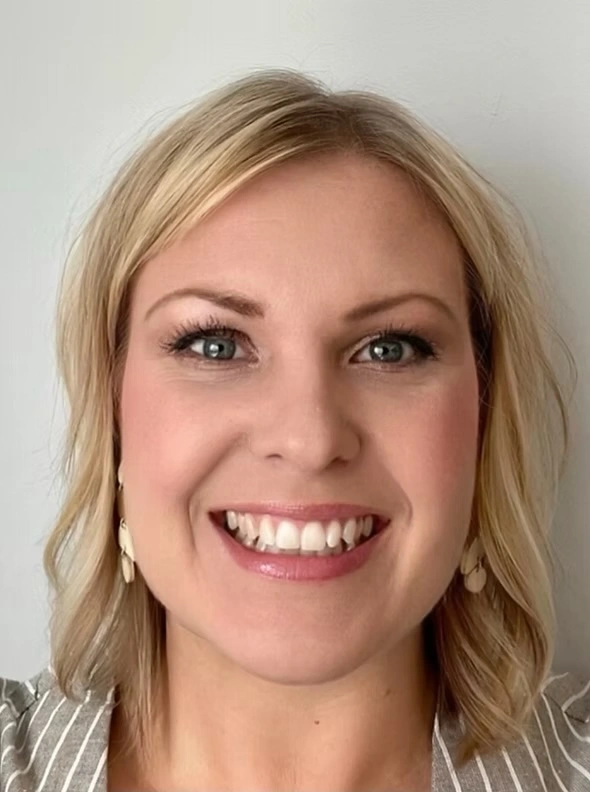
Marissa Maroni is a musician, K–12 certified educator, and entrepreneur building a regional music education company in Rhode Island and Massachusetts. She started South County School of Performing Arts in her home studio, and in just three years has grown it into a multi-faculty school serving more than 400 students with theatre, music and dance departments. In 2026, she acquired Rick’s Musical Instruments, the shop where her teaching career began, and relaunched it as SoundHouse, a music retail, rental, repair, and education business with locations in Cumberland, RI, and Rehoboth, MA. Marissa is now building the systems, team, and school partnerships to scale both businesses, with a long-term vision of a fully inclusive, accessible performing arts center in North Kingstown.
Season 1
|
Episode 27
Music, Dance & Theater: Marissa Maroni on Growing Fast | Ep 27
In under three years, Marissa Maroni turned a teaching studio in her home in North Kingstown, Rhode Island into South County School of Performing Arts. The school now has about 400 students across music, dance, theater and early childhood programs, and she recently bought a music store to add to it.
Host David Martin talks with Marissa about leaving a stable public school teaching job to start over from scratch. They cover why she named the school for the future she wanted rather than the space she had, and how she keeps adding new programs by saying yes before she feels ready. They also get into the people and systems behind fast growth: putting money back into the business instead of taking profit too early, hiring a “type A counterpart,” moving off spreadsheets early, and setting clear expectations for teachers as the school grows.
Marissa Maroni
Marissa Maroni is a musician, K–12 certified educator, and entrepreneur building a regional music education company in Rhode Island and Massachusetts. She started South County School of Performing Arts in her home studio, and in just three years has grown it into a multi-faculty school serving more than 400 students with theatre, music and dance departments. In 2026, she acquired Rick’s Musical Instruments, the shop where her teaching career began, and relaunched it as SoundHouse, a music retail, rental, repair, and education business with locations in Cumberland, RI, and Rehoboth, MA. Marissa is now building the systems, team, and school partnerships to scale both businesses, with a long-term vision of a fully inclusive, accessible performing arts center in North Kingstown.
Watch the Full Episode
Show Notes
🔮 Name it for the school you want to build: Marissa changed the name from Maroni Music Studio to South County School of Performing Arts while she was still renting two small rooms, so the name could grow with the school.
🏫 Offer more under one roof: Music, dance and theater in one place means one family can enroll several kids, which helps a school grow past the limits of a local market.
🎭 Find your angle in a crowded market: Instead of copying every dance studio nearby, SCSPA focuses on musical theater kids, offering sessions for older beginners to join classes with their peers.
💡Grab the opportunity, not the perfect moment: Her theater location came from a Facebook post by an owner who was closing. The space already had a stage, costumes and sets.
💻 Treat admin as an investment: By keeping her own salary modest, Marissa could hire admin help early. That part-time hire became a full-time role and led the school to adopt Opus1 before switching systems would have been painful.
🙏 Hire your opposite: A highly organized director of education keeps operations running while Marissa chases the next idea, and weekly leadership meetings keep the team aligned.
📕 Set expectations from day one: Teacher handbooks, KPIs and structured onboarding are much easier to give new hires from the start than to add later for long-time staff.
David Martin (00:00)
Okay.
David Martin (00:01)
All right. Looks like we are in. Now do you see the upload where it says uploading?
Marissa (00:07)
Fifty seven percent,
David Martin (00:07)
Looks like it’s a
Marissa (00:08)
yes.
David Martin (00:09)
Yeah, yeah. So that’s that’s what you wanna.
Marissa (00:11)
Awesome.
David Martin (00:12)
Yep. Okay, perfect. Let’s get started.
David Martin (00:16)
Marissa Maroni, so good to have you on the podcast today.
Marissa (00:21)
Thank you. Fun to be here.
David Martin (00:23)
It is fun. It is fun. You are the founder and the owner of South County School of Performing Arts in Rhode Island. You built your school from a a private teaching studio in your in your home into a commercial location where now you’re offering more than just music lessons. You’re also offering theater and dance and even early childhood education. but what caught my attention was just the incredible
David Martin (00:52)
growth that you’ve seen in such a short period of time. In under three years, you have about 400 students in your program. You just recently acquired a music store. so you’re just like you’re just grabbing this bowl by the horns and going for it. It’s super impressive. And so I’m so excited to talk to you today and just learn a little bit more about your story and and kind of how you’ve gotten started. So I’d love to to
David Martin (01:21)
learn a little bit about kind of how you got into music. Like tell us a little bit about your background. How did you first get involved in in music and in the performing arts?
Marissa (01:31)
Yeah, so probably similar to a lot of people. I was a kid who loved music. I grew up my mother started me in dance lessons when I was very young. And then when I was in I have an interesting story when I was in what was it third grade, I ended up having my tonsils and adenoids.
Marissa (01:52)
Out, stay with me here. And I went into surgery and I ended up having a heart condition called ventricular tachycardia. They thought I wasn’t going to be able to tap dance again. And so I told my mother that my tap shoes were my pride, my pro my pride possession, and I didn’t know what I was going to do without dance. And so she said, We have to find her something else. So she signed me up for piano lessons. And then while I played the piano,
Marissa (02:19)
At that young age, I started singing and playing and just absolutely fell in love with music. Music ended up being the thing that I stuck with my whole life. I love dancing, but it’s definitely not my end-all be-all. But what I really ended up finding a love for was musical theater. So I ended up going into school for musical theater. I got a double degree. So I got a degree in music and musical theater. I thought I was gonna go the performing route, go to Broadway. teaching ended up just
Marissa (02:50)
Bringing me back. And I ended up going down a lot of different paths with teaching. I started in college teaching private voice and piano lessons. and then I graduated from college, and at some point I needed health insurance, and so someone presented to me that my old elementary school that I had attended.
Marissa (03:14)
when I was a kid, I needed a music teacher. And I said, Well, I don’t have a certificate in music education. I was a I had a BA in music. And so they said, Well, that’s not a problem. We’ll emergency certify you. You can go back, take some classes, and get a teaching certificate. And so I said, Well, why not? Let’s do that. So I ended up going back, taking classes, teaching for six years, which ended up being just like
Marissa (03:42)
Probably one of the most valuable things I could have done because even though I am not in the classroom right now and I don’t plan to return to public school teaching, it’s been probably some of the strongest foundation I’ve had in growing a music school was seeing my principal, was seeing how that just ecosystem worked. And so I brought that into my performing arts school. Yeah.
David Martin (04:10)
Interesting.
David Martin (04:12)
So the teaching experience you had at the public school and and I’m
Marissa (04:13)
Yeah.
David Martin (04:16)
assuming it was a music class that you were teaching?
Marissa (04:18)
I taught
Marissa (04:19)
I taught music. I taught elementary. K through K through five. Yeah. Yep.
David Martin (04:21)
Elementary. Wow.
David Martin (04:24)
Wow. So in and obviously in the group environment. or yeah, yeah.
Marissa (04:27)
yes, yes, in the group environment. Yeah.
David Martin (04:30)
Yeah, yeah. So okay, so w how did you go from that to jumping into your own private lesson experience?
Marissa (04:40)
Yeah.
Marissa (04:41)
Well, so like meaning like the business side of like when I started delving into the bill
David Martin (04:45)
Yeah, the business side. Yeah.
Marissa (04:47)
the business. So I was teaching for six years in the classroom, but also I was leaving the classroom, going and teaching students privately for for six years. So I, you know, from eight in the eight eight in the morning till eight p.m. I didn’t stop. I’m I’m a little bit, I guess you could say a workaholic. Fun fact, probably,
David Martin (05:06)
Yeah. Sounds like it.
Marissa (05:08)
yeah.
Marissa (05:09)
Why I have 400 kids in my studio, but I did that for six years and then I had got married and I had a baby. And so I took a year off from teaching. And it was the summer I was supposed to return. I said, I don’t think I should return to public school teaching. I think I want a flexible, which is ironic because I’m business owner and nothing about what I do is.
Marissa (05:34)
Fle it’s flexible, but it’s a lot of work. So I I,
David Martin (05:37)
Yeah.
Marissa (05:37)
you know, haven’t gained hours necessarily, but I’ve gained flexibility. And I I can create my own thing, which I really enjoy, but I I, you know, I really didn’t know what I was going to do. But I am a risk taker. And I was so scared to leave something that was so stable with a pension and health insurance and all of these things.
Marissa (06:01)
To take a risk on just growing my private studio, which was originally just gonna be me, and I was gonna see, you know, how that goes and where that takes me. but I did. I I put in my my notice, I didn’t return, and I I had just moved to North Kingstown, which is about in Rhode Island, it’s far, but like Cal like.
Marissa (06:25)
know if you’re in California, it’s nothing, but in Rhode Island Turbs, for like a 35-40 minute drive is a very long time for people. So
David Martin (06:32)
Right. Yeah.
Marissa (06:33)
I was in Cumberland, which was about 35 minutes away teaching. I lost all of my private my private studio. I moved to North Kingstown and I was like completely starting over. I just I just quit my teaching job. I just lost all my students because of the fact that I’m you know n now living somewhere else.
Marissa (06:55)
And I was like, I’m gonna start over and see what happens. So we bought a house, and it happened to have it’s this room right here, a small little space right off of my garage. And it was not fixed up at all. Like it was bare bones, it was still like a part of the garage. And I said to my husband, that is gonna be my teaching studio. You have to.
Marissa (07:23)
Construct this for me. Are you are you are you ready? And he was like, okay, okay. but he did. And so I went to the Facebook pages and the the town page groups, North Kingstown town page, and every page I could possibly find, and I put who I was: a picture of myself,
David Martin (07:39)
Mm.
Marissa (07:41)
my credentials. I’m taking piano and voice students, contact me. And that summer I had about 10 kids.
Marissa (07:49)
And and I was teaching out of my house, and my husband was working on this beautiful studio. And then eventually the studio was built, and I got to start teaching outs outside of the house, away from my baby. And I said, man, it’s such a shame that this room isn’t being utilized when I’m not teaching. What if I hired
Marissa (08:17)
one of my previous students to take on some kids because I keep getting calls. I have a baby. I don’t want to teach five days a week. What if I like pay the student pays me, I pay her, and she teaches in my studio. And so that turned into four teachers teaching out of my house, which turned into needing
Marissa (08:40)
Double the space. So I was teaching inside of my house again while a teacher was teaching in my studio.
David Martin (08:47)
Mm-hmm.
Marissa (08:48)
And then in that summer, I decided to do some early childhood classes because I was a new mom and I really loved the idea of bringing music to babies and families. And so I went to the Facebook groups and I said, I am doing an early childhood music class.
Marissa (09:07)
out of my music studio, out of my house, sign up. I’ll put you on my Google spreadsheet. I was like doing things on Google spreadsheet. People were paying me on Venmo. It was absolutely insane. And I filled up like five classes that summer and I walked outside and I said, my God, I have cars lined up down my residential neighborhood. And I said, my neighbors I think are gonna kick
Marissa (09:34)
Like they’re gonna kick
David Martin (09:34)
Yeah.
Marissa (09:35)
me out. They’re gonna call the cops on me. I probably need to move. and the rest is history. But that’s how it started. and it’s been pretty
David Martin (09:44)
Yeah.
Marissa (09:44)
exciting ever since. So
David Martin (09:46)
So the original name you had was Maroni Music Studio, was that right? So it was just your name and it was and it w
Marissa (09:52)
Yeah, yeah, it was it was me.
David Martin (09:55)
and the and the vision at the very beginning wasn’t was it ever in your mind that you would have a larger music school with instructors and staff and all that? Or was the original vision just I’m just gonna get some students and have this little studio here at the house?
Marissa (10:13)
I think both. I think so. Early on in my teaching career, I had worked for a performing arts school for a very short time. But I was always the person that was like, it’s ironic now, but I was like, I can do this myself. I don’t need to work for someone else. And so I always taught out of spaces where like I was in control of my students. But that place always stuck with me. And I had said,
Marissa (10:40)
I can do this myself one day. But like it kind of just lived there, but it was like a little bit of like that like crazy, lavish idea that might never happen. because I didn’t really know if I could create a business by myself. I’m a musical theater major. come to find out. Musical I feel like my degree in musical theater has helped me a lot in my business journey. go figure, but
Marissa (11:04)
It was always back there. and just when it’s like when things got rolling, it was just like, okay, I can do this. And it just kept it just kept rolling. It was like it was it just it felt like it sounds cheesy, but like it was meant to be. But I just I really do feel like we we all have like a path that we’re supposed to take. And when you are on the right path, like
Marissa (11:27)
The steps are going to happen that are meant to happen if you say yes. But you have to say
David Martin (11:32)
Yeah. No, I like that.
Marissa (11:34)
yes, you can’t let that fear get you. Because I mean, I’ve been fear fearful this whole time. I don’t think there’s been anything I’ve ever done that I’ve not been like, my God, I don’t know if I can do this, but I still always say yes.
David Martin (11:46)
Yeah. Yeah, I I can I can relate a lot to your story, in that, you know, it it started it started in the house, it expanded in the house, and
Marissa (11:58)
Mm.
David Martin (11:59)
it was reactionary, right? Like the growth, it’s like, wow, we actually are really growing. And so then now what do we do? You know, and then taking that next step. But I think for me the thing that I n I always struggled with was not ever thinking big enough.
David Martin (12:15)
And I always like looking back, it’s always easy to say, we just should have thought bigger. But when you’re in it, it is kind of it’s a wild ride. And the idea that, you know, we could have a hundred students. No, that’s too that’s crazy. That’s too many students. And then it’s like, we’re there. Maybe we
Marissa (12:32)
Mm.
David Martin (12:32)
could have 200 students. No, that’s so big. And how are we going to do it? And then you get there. And it’s all along the way, as you you start achieving these milestones, you just start thinking like,
David Martin (12:43)
And I think when you s when you start achieving milestone after milestone, it’s like your mind expands as to what is possible. And then you and then you learn how to dream really big, you know?
Marissa (12:56)
Mm-hmm.
David Martin (12:56)
But I don’t think, at least for me, and and I’m curious for you, but I yeah, I I think I my mind just was it it wasn’t it was capable in in that sense, but it but it almost seemed like I just I didn’t think very big and
David Martin (13:13)
It was hard for me to really think beyond kind of the little world that I was in. Does that make
Marissa (13:18)
Mm-hmm.
David Martin (13:18)
sense?
Marissa (13:20)
Yeah, sometimes you just don’t know what you don’t know either. And so, you know.
David Martin (13:24)
Yeah. Yeah. Well, just like the young you
David Martin (13:27)
were saying, like the idea of hiring a teacher. wow, we could hire, I could actually hire somebody
Marissa (13:31)
Yeah.
David Martin (13:32)
and they could teach at the same time that I’m teaching. I remember that actually. I have that I have that same similar experience. When I hired my first teacher, it was like the coolest thing in the world to me that like, I’m teaching a lesson and so is she over there in the other, you know, in the other room.
Marissa (13:46)
Yeah.
David Martin (13:46)
It’s like, that’s so cool, you know. And and that’s part of that expanding of your mind. Like you realize,
David Martin (13:54)
this actually does work. And what if I just kept going down this road and and really growing it? So, no, it’s it’s fascinating. So, like for you, you had to make a shift at a certain point, I’m guessing, like many of the rest of us, music school owners, to where you’re the teacher and you’re pouring yourself into your students and and your art and you know, the the lessons itself to now I’m managing.
David Martin (14:21)
a business, you know, and I have teachers and I’m and I’m, you know, reaching out and getting more students and looking for space and, you know, for more capacity and all that. When did that shift happen and what was that like for you?
Marissa (14:35)
Yeah, so it was when I did my early childhood class, I hired a teacher to come in and teach it. And it was at that point where I realized I had to find a new space and get out of my house that I realized I had an opportunity to shift from
Marissa (14:55)
Me being the hero of the music studio, Maroni Music. It’s all about me and my reputation and what I’ve done. And people are gonna come because I’m special. And I realized that’s not the vision I see for this. It’s bigger than this. And I had that performing arts school that I had worked at when I was right out of college in my mind. And I said, I’m renting, I found a space, and it was very
Marissa (15:23)
Small. I’m still in it. It was just the upstairs I was renting. It was two rooms. And to me, I said, my god, I could have someone still teach out of my house, and I have two more rooms. This is
David Martin (15:37)
Yeah.
Marissa (15:39)
awesome. And I knew it was small, and I knew the name, South County School of Performing Arts, didn’t quite match the location.
Marissa (15:50)
But I knew that if I could name it what I wanted the future to look like, that name could grow with me versus having to rebrand something in the future and give it a name that felt, I don’t know, you know, felt like it made more sense for the space. So I knew
David Martin (16:12)
Yeah.
Marissa (16:13)
I couldn’t do dance right away, I knew I couldn’t do theater right away.
Marissa (16:17)
in that space. but I always knew I was gonna find a way to do those other things at some point. And so that was it. I was going to name it something that put the people who worked for me at the center of it. It was it was more about community. It was about where we were South County, which is in Rhode Island, which is you know the location of the the school. And that’s where, you know, that’s
Marissa (16:46)
That’s how it started, right? It was it was
David Martin (16:48)
Yeah.
Marissa (16:48)
taking it away from me and putting it putting it into the world as this is gonna be this is gonna be bigger and it’s gonna be about community, and the teachers who work for me and it’s not just about me anymore.
David Martin (16:59)
Well, the and and I think that was very wise of you to recognize I think a lot of people don’t recognize it that soon is that, you know, it’s it you’re rem you’re t changing the name because you’re really you’re seeing the future identity of the business is gonna actually become something bigger. and so that that that makes a lot of sense. But let me ask you this, why did you make the decision to turn it into a performing arts school?
David Martin (17:28)
Instead of just going with the music lessons, which is something that you were already doing and it was working and what made what made you make that change?
Marissa (17:36)
I love the performing arts. I mean it’s really just as simple as that. I was a musical theater major. I wanted
David Martin (17:40)
That was your background. Yeah.
Marissa (17:41)
to be on Broadway. I love, I love so I’m a vocalist and I love teaching voice. And I don’t teach
David Martin (17:48)
Mm.
Marissa (17:49)
as much as I do anymore. But that’s, you know, there’s some things you do not for the money, and there’s some things, you know, and that’s something that like even though maybe like
Marissa (18:02)
Doing business full-time will always bring me in more money than sitting down one-on-one with a student. I always want that to be a part of my life because I love teaching voice, voice pedagogy, and you know, really helping a student discover that part of themselves. And in it it specifically musical theater kids. I love working with musical theater kids. So I would always tell my students, you have
Marissa (18:27)
To dance. I don’t care if you like dance. If you want to be a musical theater major and you want to be on Broadway, sorry, you gotta dance. So
David Martin (18:36)
Mm-hmm.
Marissa (18:37)
go take a dance class, go take a theater class, go take an acting class, right? And so I was like, obviously, I’m opening up a school. I want kid, my kids, my students to
David Martin (18:47)
Yeah.
Marissa (18:48)
be able to do those things through my school.
Marissa (18:52)
Where I know I’m hiring qualified teachers and they’re gonna get the best education possible. So it just it
David Martin (18:58)
Yeah.
Marissa (18:58)
made sense to do that. Has that been an easy route? No. It might have been easier to stick with music, just music.
David Martin (19:03)
What were some of the Yeah, well
David Martin (19:06)
that’s what I was gonna ask you is what what did you encounter when you made that shift? What did you, you know, realize that when you’re like, wow, we’re gonna take this on and now you have all these ac disciplines that you’re now offering within your
Marissa (19:19)
Yeah.
David Martin (19:19)
system?
Marissa (19:20)
Yeah. Dance is still growing. we’re starting out with the littles. We got a great group of little kids on Saturday mornings. we have a couple musical theater classes for slightly older kids. And it’s that’s that’s a that’s a hard market to start because lessons, you know, you do music lessons one-on-one. You have a kid, you have the teacher. If you open up a group class,
Marissa (19:43)
Or five group classes in dance, right? Like lots of kids go into a studio, they want various styles of mute dance. and they don’t want to be the only one in class. And so
David Martin (19:52)
Right.
Marissa (19:53)
it’s hard to like grow that organically from nothing. so, and then you know, and then also there’s a lot, it just my area in in general is heavily populated with dance.
Marissa (20:06)
so I think it’s for for me, it’s been finding what makes us unique in dance rather than trying to copy everyone else and do what they do, which was a struggle for me because I just wanted to do what everyone else did. I was like, I just wanna have a dance school with tap and jazz and ballet and competition team and like just you know, that just made sense to me. And then I had to realize well, what’s gonna bring kids into
Marissa (20:33)
Our dance school versus another dance school. And so leaning on the musical theater kid who maybe hasn’t done dance since three years old and wants to start at eight or nine, but doesn’t want to be in a beginner class with really young kids. So we’re gonna be we offer musical theater basics for those kinds, right? So it’s definitely
Marissa (20:55)
been a challenge, but it’s taught me a lot about about marketing and you know what I need to do to have, you know, that area of my business succeed. And it’s still going strong. And we have a that was my second location. So that’s another fun fact. I basically like have a baby and then have another location. So I had my second baby and
David Martin (21:14)
Okay.
Marissa (21:15)
I was like, let me take on this dance studio space. This sounds like a great idea. So
David Martin (21:20)
Yeah.
Marissa (21:20)
my husband worked on that space.
Marissa (21:22)
Got that up and running and it’s great because we utilize it for our theater classes and our dance classes and camps, which are really great camps.
David Martin (21:33)
Yeah.
Marissa (21:33)
Those are good. So yeah.
David Martin (21:37)
So and may and maybe that th that’s kind of the answer to this next question, which is what have you found to be the advantages of offering all of these disciplines under one roof?
Marissa (21:50)
my gosh, it’s like you have a family who comes to you and one of the kids loves music and they absolutely think you’re amazing, and then their other kid they want to get in dance class and they go, wait, we can go to dance class at the same school. My child goes to music class. And I believe wholeheartedly that in this business, diversifying your income.
Marissa (22:16)
is very important to thrive because I just you know it’s like selling a product you could you it’s if there’s just so there’s you sell a product on Amazon and you could have like millions of people buy that product but like there’s always gonna be a cap in the market like it’s a service-based inter industry there’s only
David Martin (22:34)
Mm-hmm.
Marissa (22:35)
so much travel time people are willing to spend to go to an extracurricular activity
Marissa (22:41)
sure, maybe there’s virtual lessons, and I’ve never tried to tap into that. But I think yeah, sustainability for me, and I don’t think this is for everyone, but like sustainability for me and and fast growth, if that is what you’re trying to do. the reason I have grown so fast is because I’ve offered a lot.
David Martin (23:02)
Yeah. Yeah.
David Martin (23:05)
That makes sense. And y you know, like I think one offering, you know, for like for a family, I and you put that so beautifully, like family comes in and maybe, you know, Susie wants to play the piano, but little Johnny wants to, you know, do dance, you know, or maybe the maybe the reverse. And it’s like if you only offered music, you would only get one of those two s two kids.
David Martin (23:31)
into something. And you know, it’s the same same thing with the idea of expanding your product menu. I like the way you put it, you know, diversifying your income streams under one roof. I think it’s very smart. The I guess the b the biggest challenge or maybe the biggest question would just be maybe in somebody’s mind would be like, well how easy is it to really pull that off the offering? You know, like if you’re offering dance, you have to have a space, you have to have like whatever
David Martin (23:59)
the the tools are, the teaching, all of that in place in order for somebody to be able to say, I want that and I want to take music lessons. So having, you know, having that infrastructure in place, I guess that’s the real challenge, right? Would you agree with that?
Marissa (24:17)
Yeah. I mean, finding teachers can be a struggle in in, you know, in the music aspect of things. It’s been no different in dance or theater. It’s like staffing is it’s a lot of work to find good, trusted s people. And I and I’m lucky enough to have said I I I you know do it time and time again, and then you lose someone and you go, my god, I gotta replace them and then
Marissa (24:40)
You know, this wonderful person appears and you find the staffing. quality control is so important. Like, yeah, you you know, you don’t want to grow so fast that your quality goes down. So so another thing I’ve always been very good at, I would say, is delegating. Delegating my tasks. I am and and you know, maybe not everyone can do this.
Marissa (25:05)
But I’ve always been modest with my salary, what I make from this business. Because if I can reinvest by finding someone who could take something off my plate, I have time to then move my energy into a different area and give it the attention it needs. And then I know that, you know, that money, my salary, whatever I want to pull will eventually come back to me. But like
Marissa (25:34)
If if you’re starting a business and you’re just like, okay, great, I can take this big lump sum and all this profit and just put it in my bank account and go on vacation, it’s not, you know, it’s it’s that’s it’s gonna be tricky. It’s gonna be tricky because you have to delegate tasks to grow.
David Martin (25:51)
Yeah. Well, and I think it’s a really good point. you know, having the discipline to not siphon profit from your business too soon, that’s a hard thing to do. Especially when you’re working really hard, which I know you do, and you’re putting
Marissa (26:07)
Яс.
David Martin (26:08)
in all these hours and this time, it’s like, well, I need to get something from this. But to have the discipline and the fores foresight to see, you know, two years, three years, five years in into the future and say, This is gonna come back to me, but
David Martin (26:21)
For now, this needs to be reinvested. What would you tell somebody who’s maybe listening and maybe they have just music students, but they’re considering maybe adding dance or maybe adding the the theater aspect of things? What what advice would you give that person?
Marissa (26:39)
I would say if you’re looking to grow in another area, seek opportunities, look, find, f find something that’s gonna make it easier. I was like when I so I have a third location in West Warwick and someone was popped up on my Facebook, they were moving to Florida and they had a space that had a theater.
Marissa (27:03)
A stage, curtains, costumes, sets already in it. And they were closing their business down. They weren’t selling it. They were just closing it down. And I said, I messaged them because I said, Am I and by the way, you’re never ready. You’re like, you’re you, I don’t think you’re ever like in a spot. It’s like, it’s like having kids. Are you ever ready? Do you ever have enough money for children? Like, no, like the answer will always be no. You just got, you just gotta do it. So
David Martin (27:27)
So true.
Marissa (27:28)
this person,
Marissa (27:30)
popped up on Facebook and I always say yes. Even if I eventually have to say no, I always say yes. So I reached out to them and I said, hey, what are you doing with your space? You’re I you’re moving to Florida. I I just saw you posted that you’re closing your business down. well I’m just gonna like sell the stuff bit by bit and like close up shop. I said, well, could I continue what you’re doing? Like could I essentially, you know, buy the assets because I want to do theater.
Marissa (27:57)
this is the my third missing piece of my my puzzle: music, dance, and now theater. And so I went, I saw the space, we came up with a deal, I paid what I paid, I got into the space, maybe I paid a little too much for it, I don’t know. And but it grew, it grew, and we’re doing
David Martin (28:15)
Mm.
Marissa (28:15)
like seven shows a year. I hired a theater director. I I started it as a nonprofit.
Marissa (28:23)
Because why not start in a nonprofit? And you know, so it’s like, what do you do? You gotta do something. Like i I I know that’s not a good enough answer, but it is, because it’s like you just so if you want to start up dance, look for a building. Look for a teacher. Start somewhere because there’s not
David Martin (28:41)
Yeah.
Marissa (28:42)
it’s it it’s it’s not linear. It’s like it’s like you gotta find something to grab onto, and then the rest of the pieces will come. But there’s like it’s not really step A, B. It’s you know.
Marissa (28:53)
It’s it’s just not linear. I don’t think I mean, David, has anything been linear in your business? R really? I I I don’t think it has for me.
David Martin (28:59)
You know, what
David Martin (29:01)
I love about that is what you said, just start. You know, so much of the time we’re paralyzed by indecision, by all all the fears, right? And it’s like you said, you’re you’re never ready. It it’s absolutely true. So you just
Marissa (29:18)
Yeah.
David Martin (29:19)
start and you say yes, you know, and no, I I absolutely love that. So you’ve grown
David Martin (29:27)
very quickly in a very short period of time, I would say. that would cause, I think, a lot of people to to kind of wonder like, how do you keep things organized in the sense that, you know, you’re talking about buildings and different locations and being at at the house studio and then over the new studio and then having dance and music and just like all these different things. What systems
David Martin (29:55)
Have you kind of held to to kind of keep communication channels flowing smoothly and just scheduling and just just all of that? How have you kept that all together?
Marissa (30:07)
Yeah, so if something seems like it’s just too hard, there’s probably an easier way to do it. And I didn’t know at like I didn’t know the way to do anything at first. I’ve had to learn organically every step of the way. I mean, I didn’t know what a CRM program was. I didn’t even know like what what I didn’t know what that meant until I hired someone to come on who worked in corporate before. And she said, Well, we need a CRM program. I said, I
Marissa (30:35)
Don’t know what that is, but it sounds lovely. I was literally doing everything on Google spreadsheets and like Google Calendar, and I it was insane. And I found Opus. Opus has been life-changing for me. I also found the the BAM squad, which is Build a Music School. And there’s a lot of things in business people are gonna try and sell you. You should do this, you should hire me for this.
Marissa (30:59)
You should sign up for this. It’s gonna help you get 500 new students in one day. And I’ve done some of the ones that were like, that was an absolute waste of money. And I’ve done some things that have been like, thank God I did this because this has been life-changing. Those two things, OPIS and Build a Music School, were huge for me. and they’ve they’ve just changed everything about my business and organization. And then also,
Marissa (31:26)
Just I am like crippled with ADHD. And finding your, you know, type A counterpart really can help you in in your business. And so I’ve hired some really organized individuals who are very talented, just absolutely incredible. And finding people who believe in what you’re doing.
Marissa (31:51)
And it they don’t just look at it as a job where they leave and go home is going to be huge. And that’s not always easy to do. And you’re not going to fill up your whole music school or performing arts school with, you know, those individuals. But like if you could grab on to one or two people who are like just really believe in what you’re doing, it’s gonna ch it it it’ll change everything.
David Martin (32:20)
It’s a great point, you know, because like I think sometimes, and I don’t know if you can relate to this, but when hiring your staff, I one of the things that I did, which was a mistake, is initially is I I would try to find people like me, you know, ’cause I’m thinking,
Marissa (32:36)
Mm.
David Martin (32:36)
well, they’re like minded. I want to find somebody that can that wants to go as fast as me and and move, you know, and all this stuff. And I realized exactly what you just said. It’s like, no, actually.
David Martin (32:46)
I need to find people that are actually going to take all the chaos that I’m creating and organize it and make it all happen, right? It’s like that count that counterpart. I love that. That that the type A counterpart. It’s it’s a perfect example because we can’t do this alone. We can’t do all these these things that we’re trying to do, all the ideas. you know, I’m the kind of person almost every single day.
David Martin (33:14)
I have a new idea, you know, of something that I want to do, or you know, and it’s like if I didn’t have a team around me of people that were like, David, that is a really bad idea. Let’s just throw that one away and move on to the next one.
Marissa (33:27)
Ha ha ha
David Martin (33:29)
then I then there’s no way I’d be able to have accomplished what I what I have and and different things. And so I I love that. Like find somebody that’s not just us another version of you, but find somebody that’s actually.
David Martin (33:42)
going to be able to push back and that creates a little bit of friction, but it’s kind of like here here’s a a good picture, a word picture that’s helped me in the past is like I’m like a kite, you know. But if you don’t have somebody on their other end of that string, what happens to the kite? It just flies off into the sky and it, you know, it’s gone, you know? You’ve got to be grounded and you need that person that’s kind of helping you you know, maintain that balance. And so I I love, I love that you said that.
David Martin (34:10)
So okay, so you said Opus and the BAM squad. I I am in full agreement with both of those endorsements. but I’m curious just on the timeline stand of things, at what point did you realize that spreadsheets weren’t enough or enough, you know, to keep you organized and sticky notes and whatever it is that you were using to migrate over to Opus?
Marissa (34:33)
Yeah, luckily it was really early on, which I I think w was the
David Martin (34:36)
good.
Marissa (34:38)
yeah, I w I was very lucky. I hired I took a chance, and this was a huge step for me too. I mean, I had four teachers and like, you know, I don’t know, 30 students, like 40 students maybe, and like the you know, the money coming in from other people teaching for you is like, I might have enough to.
Marissa (34:57)
delegate some tasks out, right? Like I was at that point where I was like, I could keep it for myself because I’m working really hard and I’m doing a lot, or I could just not take it for myself. And I could get someone. And so
Marissa (35:11)
It’s so easy as a business owner in this field to go, okay, teachers make me money, administration doesn’t make me money. So teachers are safe, admin is scary. Well, when you hire the right admin, they should also make the business thrive and bring in money. It’s just a different way. so I took that that that very first.
Marissa (35:35)
Initial step into hiring someone hourly. It was like 10 hours a week, 15 hours a week. And I thought I was just like, like, I just couldn’t believe I was like paying someone to do what they were doing, like help me with administrative tasks. Like, who am I? Like, who do I think I am? And that quickly turned into that person working like a full-time salary for me, for the company. And
Marissa (36:00)
Right at that point was when she did some research, found Opus. We went through the whole, you know, gambit
David Martin (36:08)
Boarding and
Marissa (36:09)
of getting everyone onboarded and doing
David Martin (36:11)
Yeah.
Marissa (36:12)
that. And it was just like, my gosh, like I can’t believe a business can run so smoothly. I had no idea. But it was early on, so it really just made
Marissa (36:25)
everything easier because y it’s you cannot run a business in your mind. Like
David Martin (36:32)
Right.
Marissa (36:32)
like, you know, there’s so many small businesses that are like
Marissa (36:36)
yeah, like I know, like if you were to sell your business, like would you be able to give the keys to the castle to someone else and they would know how to run your business? Or would they have to literally take everything from your brain? Like, and so at first that’s like how I was doing things. Like I knew all the students, I knew the teacher’s schedules by heart, I knew what days they showed up. it was maybe on Google Calendar, but like it was just all a frenzy. But I had it all here, so it’s all good, it’s all good. And then
Marissa (37:03)
Yeah, you have to, you know, make sure things are organized and well kept and you need systems in place and things that make that easier, like Opus. And so that was huge.
David Martin (37:14)
Well, and at a certain point that
David Martin (37:17)
there there’s only so much you can memorize, right? It’s a it’s like you said, I love that. You can’t keep it all in your head. It’s true, but you do have it all in your head at the beginning, right? It’s it’s like there cut but then there comes a point where it sort of breaks your brain to try, you know? And that’s where you realize, like you said, you know, and fortunately for you, because it is fortunate that you found Opus so early.
David Martin (37:42)
You know, migration from one CRM to another, which is what a lot of people do, you know, they migrate from one CRM to the other. that is a painful process, or at least it can be. and
Marissa (37:54)
yes.
David Martin (37:54)
so definitely not something like you don’t want to wait until you’ve got like, you know, a thousand students or even five hundred students. Like it’s hard because it’s it all those people have to be moved over and integrated into this new system.
Marissa (38:09)
Yeah. And Opus is, you know, a like I wouldn’t say it’s expensive, but it’s it’s you know, there’s some CRM programs out there that are cheaper. D don’t don’t let anyone fool you. Cheaper isn’t always better. And sometimes
David Martin (38:22)
Yeah, you get what you pay for.
Marissa (38:25)
if you’re one of those, you know, music schools who you’re like just starting out and you maybe only have 30 kids and you’re like, but I don’t need to spend this amount of money right now for a CRM program.
Marissa (38:35)
You don’t want to find out you finally need it a hundred students in and needing to now switch everyone over. Sometimes it makes sense to like, for lack of a better word, just do it the right way at first, knowing it’ll grow, then needing to like redo it because you wanted to save a buck.
David Martin (38:52)
Right. Yeah. And I think what’s hard for business owners is there’s a thousand decisions like that. Right. And so it’s yeah. So it’s like it’s
Marissa (38:59)
that’s terrible. So madding.
David Martin (39:04)
it’s prioritizing the ones where it really, to your point, it really is worth it to just do things the right way right now, even though it costs a little bit more. but but it’s going to save you so much in the long term.
David Martin (39:19)
But yeah, it’s hard. It’s like there’s there’s 10,000 decisions or a thousand decisions you have to make and and it’s learning how to prioritize those and make sure that you are making the right one. So I’m curious as it relates to systems though, want to stay on this for a minute. the the meetings. So you’re at can you describe kind of what your at your current organizational structure looks like?
David Martin (39:46)
Like your staff and all that.
Marissa (39:47)
Yeah, so I have a director of education. Her name is Heather. She’s my type A counterpart who just like is like, Marissa, maybe you should stay off the phone today. We probably can’t take on another school. And I’m like, sorry, Heather. I just called up the school down the road. They want us to be in there next week. And she’s like, okay. And then she just like boop, boop, boop, boop, gets everything in order for them. And it’s like amazing. she was originally hired to just
Marissa (40:15)
like j I say just, but like really make sure quality control for all things education, be a support to the teachers. she definitely is operating more like a COO at this point. I mean she’s
David Martin (40:27)
Okay.
Marissa (40:28)
really like the main go to person. And we haven’t brought it up yet, but I just bought a music store to bring into this performing arts school
Marissa (40:39)
and I have been fully engrossed in this new endeavor. and she just is completely keeping things running for me. another really exciting thing we did about a month ago was we hired our first virtual assistant in the Philippines. And she has been wonderful and
Marissa (41:03)
There’s a lot of different ways to find a virtual assistant, but I, typical me, just like went on a bunch of the Facebook pages, Opus and like these virtual assistant Facebook groups. And I said, Does anyone know Opus? That’s what I did. Does anyone know Opus? And this one woman reached out to me and she knows Opus really well. And so, it’s, you know, we have to train her. So that’s been a very unique,
Marissa (41:29)
thing to have to train someone who’s overseas to know the culture of what you’re doing. But, you know, just delegating those tasks out. So my director of education can now focus, you know, more on the tasks she’s was intended to focus on. And we can now give the virtual assistant some of the stuff like manning the phone line, onboarding new students.
Marissa (41:58)
posting on social media. All those things has been very helpful. And then the other role that I would say is like an upper level role is we have our theater director who has been fully running, producing, costuming, creating sets for all of our shows. So that’s been huge.
Marissa (42:24)
and then we have our teachers who play a very, very important role at the
David Martin (42:30)
Right.
Marissa (42:30)
school. one of the biggest, one of the most helpful things I implemented about ye maybe not even a year ago, was weekly meetings. I wasn’t doing weekly meetings with my like directors.
Marissa (42:47)
So that’s been huge. It was like it felt like an inconvenience. Like they’re
David Martin (42:51)
Mm-hmm.
Marissa (42:51)
all working so hard for me. How can I expect them to take an hour or two hours out of their week to all group together and discuss what’s going on? It sounds absolutely ridiculous when you say it out loud, but like that’s how I felt. And a fellow business owner in the gymnastics field,
Marissa (43:14)
We she’s become my mentor
David Martin (43:17)
Mm.
Marissa (43:17)
the past couple years. We found each other. I had a it it was I reached out to her because I wanted her to tell me which CRM program was better, Jackrabbit or Opus. And she didn’t know Opus, she used Jackrabbit. And so we talked about Jackrabbit and her experience with it. She became my mentor, but she said to me, You need to have weekly meetings. What are you doing? And I said, I know,
David Martin (43:40)
Mm-hmm.
Marissa (43:41)
I know, I just don’t know how we’ll have the time.
Marissa (43:44)
And so we did that and that’s been that’s been huge. yeah, so there’s a lot of lot going on. Yeah.
David Martin (43:50)
Have one of the things, yeah, no, that’s really
David Martin (43:53)
good. I I I was gonna ask you about meetings. So I’m glad you you already brought it up. meetings for me were a game changer. but it’s the exact same thing. Like the feeling is like, man, there’s they’re doing so many things. I’m paying them, you know, it’s like, and we’re just gonna sit down and we’re gonna have a meeting. But it was a game changer for me. there’s a book, I’ve talked about it a lot, called Rocket Fuel.
David Martin (44:20)
And it deals with two things that we’ve talked about today. Number one, the visionary and the integrator relationship, which is that kind of that the those two opposites that that have that healthy friction to drive a business forward. But you need them both in in order to have an organization successful. but the second thing is the level 10 meeting, weekly meeting.
Marissa (44:45)
Mm.
David Martin (44:45)
and it’s broken down
David Martin (44:48)
in a very structured way. we actually we we we took the idea of the level 10 meeting and we sort of modified it for the music school, our setting, and we created sort of a template around it. It’s very effective. and it became kind of the thing that we built our admin around, you know, three different locations, a thousand students. We had a lot of different, we had the admin, the work structure and all of that.
David Martin (45:16)
But we had to do that like out of necessity. Otherwise, there really was no like we, you know, one sta staff member in location one had no idea what was going on in location three. And so, because there was a lot of overlap, we had teachers teaching at multiple locations, all that, we ha we needed that communication to be seamless, but we couldn’t have it be, you know, random either.
David Martin (45:43)
Right. So there had to be an actual structure built around it. And so look it up. if you have have a chance. The level 10 meeting is very powerful. It’s and but the key with meetings is is that they are rigid. It’s very, very important. Cause otherwise what happens is it’s so you know, conversation, and then the most talkative people are gonna talk the whole time, and then you’re gonna have all kinds of things, all kinds of problems, right?
David Martin (46:10)
and there’s there’s a lot of psychology around meetings. You know, some people do stand up meetings only because they don’t want people relaxing, you know, they would do it in a cold room, they don’t do it in a warm room. Like, there’s all kinds of like philosophies around that. I don’t get too much into that. But the level ten meeting was the biggest needle mover for us. so definitely check out kind of the structure behind that and how that can help because it might give you some further ideas as to how you can continue to
David Martin (46:39)
have a productive staff as well as staying in communication.
Marissa (46:41)
Yeah, that’s so interesting.
Marissa (46:42)
I feel like that’s definitely one of the things that we probably struggle with now because of me. I will derail the meeting with a million ideas. And Heather’s like, let’s stay on task. so
David Martin (46:50)
Yep. Guilty as charged. Yep.
Marissa (46:54)
that would be really that would be really helpful. I’m gonna have to read that book.
David Martin (46:58)
It’s a t
David Martin (46:59)
what makes it so powerful. So the the there’s two books. One’s called Rocket Fuel. It’s like the short little, you know, entrepreneur version. You’re right, like real quick, just get the information and move on.
Marissa (47:09)
Mm-hmm.
David Martin (47:09)
The longer version is called Traction, which actually has more it it’s very, very good. I I think every entrepreneur should have a copy. They should reference it. it’s it’s like the entrepreneur’s Bible. it’s
Marissa (47:22)
Mm.
David Martin (47:23)
it is so good. Geno Wickman,
David Martin (47:27)
is the the author. Anyways, yeah, check it out. But it’s interesting that you say that because that was one of the questions I was going to ask you about your organization now is what is what is the bottleneck? What is would you say the the constraint that you’re kind of wrestling with as as you’re moving forward. and very quickly I I mean I remember 350, 400, kind of around that number
David Martin (47:54)
the staffing started to become a bigger challenge at learning not just the teacher staffing, right? Cause that’s but the admin staffing. and how do you continue to hire, keeping your payroll in check? but more so than that, it’s it’s more getting everybody on the same page, rowing the boat in the same direction.
David Martin (48:20)
You’ve got personalities now that have to interact with each other. Some don’t even get along, like having nothing to do with the job. It’s just the personality just rubs the other person the wrong way. And so now you have a conflict that you have to now like babysit your employees. It’s it’s it becomes a unique layer that you never had to deal with before. But you have to deal with it because it’s it’s your organization. And so, anyway, but yeah, I was gonna ask you about that. Have you
David Martin (48:49)
been seeing any of those things happen?
Marissa (48:53)
Yes, it’s been, you know, as it grows, you have to learn how to become a leader. And I, even though I’m very outspoken, I don’t like telling people what to do. Like,
David Martin (49:07)
Hmm.
Marissa (49:10)
but you have to when you’re the owner and you’re, you know, and everyone has their own ideas.
Marissa (49:18)
And I want to make everyone feel so like valued that I’m like, I realized I can’t say yes to everything.
David Martin (49:26)
Hm.
Marissa (49:28)
which is hard for me because I want to say yes to everyone. Like, yay, let’s just do every everything, right? so that’s been really that’s been, you know, a struggle. the other, you know, weird dynamic of like a music school is that.
Marissa (49:45)
Some of your staff are like literally only working for you for like five hours. So how do you make the employee that is working only five hours coming in on a Tuesday and teaching their five, you know, their five kids or 10 kids, and then they leave, care as much as the person working five days a week?
Marissa (50:03)
And I think onboarding someone the right way has been very important for us, like really making them feel like they are a part of something.
Marissa (50:13)
More than just, I’m working for Marissa who’s the owner, because she called me up one day and begged me to teach because she lost she lost a teacher.
David Martin (50:22)
You’re right.
Marissa (50:23)
Early on, it was like out of my house and I just was like, you know, on the phone and I felt like, you know, and I value all my employees, but what I realized is like
Marissa (50:34)
You know, as an owner, like you do sometimes feel like, my God, I need to replace this teacher with someone amazing. So like you’re thinking, like, who can I call? Who can I find to come in? And then the the the power dynamic is now different because like when you call someone up and you’re like nearly begging them, please, please take these kids. I have no one to come in and teach them. Then all of a sudden they’re doing you a favor, but they like might like who knows, maybe they didn’t even really want to teach and they just felt bad and like we’re like, okay, like
Marissa (51:02)
Come in teach
David Martin (51:02)
Right.
Marissa (51:02)
for you. And then that teacher only lasts like, you know, three months. it’s been easier because the longer we’re open and the more established we are, we have resumes coming in. People find us and they want to work for us. And so we are interviewing
David Martin (51:15)
Mm-hmm.
Marissa (51:16)
people rather than me calling up someone asking them if they want to teach for me. And that dynamic is just different. That creates a whole new, you know.
Marissa (51:28)
Feeling of the employment and that person coming on because they seeked it. They want to work for you. but in the beginning, it’s it’s not always like that. And sometimes you do have to call up a friend and say, Hey, I know you’re a really great guitar teacher. Can you please come teach for me for a little bit? it gets easier, but there’s really no like
Marissa (51:50)
I guess I guess the biggest thing you can do to get ahead of it is like really start establishing some, you know, s onboarding criteria that make it feel not feel, but just like like, you know, literally, like how do you on onboard someone? Background check. Send them an employment letter. Like all of these things that early on, like what? Like I have to send someone an employment letter? Like, should like do I do I do I pay to get them background checked? Like
Marissa (52:18)
Do I an interview? What’s an inter how do I do an interview? Like,
David Martin (52:23)
Right.
Marissa (52:23)
you know, I never interviewed people
David Martin (52:26)
Yeah.
Marissa (52:26)
five months, you know, into starting the business, but now we interview people. Of course we do.
David Martin (52:31)
In each one of those things that you’ve just said, there are volumes of books and different experts
Marissa (52:37)
Yeah.
David Martin (52:39)
that have mastered the art. So, like let’s take interviewing, for example. There is a methodology. There is there’s it’s like a science learning how to interview somebody. Because if you think about what is an interview, an interview is taking a complete stranger off the street and filtering out whether or not they’re going to be a good fit.
David Martin (53:01)
for your business. So you’re gonna be putting them in front of like your customers. You’re gonna be promoting them as your product, right? Like they’re gonna deliver your product. How in the world are you supposed to in what, 30 minutes, 45 minutes, figure out if this complete stranger is going to be a great fit for your business? Well, that’s that is the challenge, right? So like that’s the science that you have to figure out like how do I make that time, that 30 minutes
David Martin (53:31)
45 minutes, whatever it is, broken down into a structured experience to where I can pretty confidently know based on the questions, based on the the way, you know, what time they showed up, how do they dress, how do they look, you know, did they make eye contact? Like there’s so many things that you can do as you start looking at that. But how, like, who knows this stuff? When you first start out as a music teacher and you’re just teaching kids out of your house, it’s like, of course you’re not gonna know that.
David Martin (54:01)
Right. So there’s so that that’s and that’s just one thing, right? And then you talk about onboarding and having a whole series of expectations. You know, a lot of the challenges that I ran into with employees was realizing that I just wasn’t setting the right expectations from the very beginning. They didn’t even know what I wanted them to to do. And so then when I came down on them for not you know, having the right student retention, for example, you know, you’re dropping too many students.
David Martin (54:27)
Well, didn’t know you like I didn’t I don’t even know what your standard is. How many students would is acceptable? Because obviously I’m not going to keep all of them. It’s like, well, that’s a good point. Maybe I should think about like what is my expectation at the very beginning. Same thing with parents. When you first sit down with them at the very first lesson, right? Like we should be setting expectations because otherwise, you know, a month in, little Johnny’s not practicing seven days a week like parent thinks that they should be. And all of a sudden they’re quitting lessons because they think that they’re not.
David Martin (54:57)
Like the, you know, their expectations weren’t met. And so anyway, but what you’re saying is so normal. And it’s like it’s hard because as a business owner, we’re not going to be experts at everything, right? We there’s it’s just impossible. There’s not enough hours in the day. But ha but but learning that there are certain elements, especially as you grow, to start directing your focus or redirecting your focus from startup.
David Martin (55:27)
mode, right? Which is I’m I just need to get students to pay for this basic space so that I can, you know, pay for my rent, to okay, now I have a team. Now I have like a flow of students coming in. Now I need to figure out how to manage this team. And so now your focus of what should I be you know filling my mind with and and becoming excellent at becomes more about
David Martin (55:56)
Managing and putting systems together and actually creating a business that people can come into and know what the expectations are, how to grow, how to thrive. And so so I mean, that’s it’s just a whole nother set of priorities that as the business owner, we kind of have to shift to. But nobody, nobody tells you that, right? You just kind of you just have to figure that out.
Marissa (56:21)
No, and unfortunately, like they’re all imp probably equally as important, but you can’t do all of them at once. It’s impossible. So you just realize that some stuff you’re playing catch up on. And you know, with the teachers that I have, I have had some teachers that are still working for me since the beginning. And as we’ve grown and established KPIs, key performance
David Martin (56:45)
Mm-hmm.
Marissa (56:46)
indicators, didn’t know what that was about a year and a half ago.
Marissa (56:49)
And as we’ve established a teacher handbook and policies around take attendance, leave student comments. Because why? Because we want you to, because we find the because SCSPA values this. And I know it might be inconvenient to you, but we want you to do this because you’re an employee of ours. The the the teachers, that’s you know.
Marissa (57:14)
That have been with me the longest, it’s it’s you know, old habits die hard. They weren’t brought on when we had all these new expectations. And so it’s, you know, the quicker you have those expectations in place, the teachers who come on with those expectations at the very beginning, it’s it’s a lot easier than backpedaling, but I mean, a lot of business is finding out what you didn’t know.
Marissa (57:42)
And then relaying that information to everyone else and then adjust. And a new business, it’s like you’re adjusting all the time. Okay, let’s adjust. we learned something new. All right, tell everyone, tell all the teachers we’ve got to add this on. And you know, honestly, it’s pretty it’s it’s fun, but as a as an employee, I can put myself in their shoes and go.
Marissa (58:07)
Man, it’s kind of hard for them because there’s lots of new things all the time because we’re not some corporate company where everything was mapped out the minute they got hired and they knew exactly what was going on. I’ve had teachers leave for various reasons, and I’m sure some of the reasons was just because it was like, my gosh, look at all these new things coming at me. and I understand that. so you gotta, you know, as the owner, you have to give yourself grace.
Marissa (58:33)
Because it’s it’s it’s when you’re constantly having to build and build and build and then you grow and then and then all of a sudden these new, you know, these things that you implemented now with a hundred students doesn’t work for 300 kids like you thought it did. Now you need to change again. it’s it’s a ch it’s it’s a challenge, you know. I mean, in a lot of ways, like buying a franchise, it’s all mapped out for you. But when you’re creating your own thing, it’s a lot
David Martin (58:59)
Right.
Marissa (58:59)
of fun.
Marissa (59:00)
It’s a lot of it’s I have so much fun doing it, but it’s also a lot of work and a lot of hours and a lot of dedication that’s put into it. And there’s a lot of expectations for the employees because things are changing all the time.
David Martin (59:15)
Marshall Goldsmith is an international business coach and author, and he wrote a book called What Got You Here Won’t Get You There. And it’s that same idea that, you know, you just said it. The priorities at 100 students as a business owner are very different priorities than when you’re at 300 students or 500 students or 800 students. Like the priorities change and shift. And I guess that was the point.
David Martin (59:44)
I’m trying to make is like as you move towards that larger music academy size, where you’ve got a team now that’s not not the team that’s delivering your product, like your teachers, but the team that’s actually managing the team that’s delivering the product, your administrative staff, that’s the team that is that you’re managing, right?
David Martin (01:00:10)
And so learning how to help them be successful now becomes kind of your new job. Right. And so, you know, it’s like what what got you here won’t get you there. It’s it’s that’s a new set of skills that you have to now learn. Right. So you have to become, you know, put the student hat back on, right? And learn how to do that. it’s it’s really amazing. It’s one of the reasons why.
David Martin (01:00:38)
I think entrepreneurs are such great students because they’re always they’re they’re always in that position of learning new things, having to learn new things in order to get to the next stage of their development, get to the next stage of their business. It’s absolutely fascinating. And you know, the challenge that you have, Marissa, is that you have grown quickly. Like it’s a wonderful thing and an amazing thing, and even kind of a mysterious thing, I think. but you also
David Martin (01:01:05)
have that unique challenge in that you have to accelerate your learning. Right. Because you’re you’re you’re having to to do different things now to get you to the next level than you than you did to get to the level you are now. So on that note, I just mentioned a book. What do you have a favorite book or a podcast?
Marissa (01:01:27)
my gosh. I have three kids and one on the way. I don’t even have time for books. But like I am taking a mental
David Martin (01:01:33)
Ha ha ha ha
Marissa (01:01:34)
note of all of your books. There is one called Something Scaling, and it’s like it’s escaping me. I’ve been listening. audiobook. Let me see if I it comes up. The Science of Scaling. The Science of Scaling.
David Martin (01:01:44)
Okay.
Marissa (01:01:45)
I have been li Benjamin Hardy by Benjamin Hardy. I have been listening
David Martin (01:01:48)
I love Benjamin Hardy, yeah.
Marissa (01:01:49)
to that. And I haven’t finished it yet, I’m not gonna lie. But
Marissa (01:01:55)
It’s like everything we’ve been discussing. It’s it’s the art of scaling and how do you scale? Well, guess what? You have to take out all of the things, like what is the impossible goal, and then set that goal for sooner than you want to. And then you’ll remove all of the unnecessary things in your life that are not gonna match, getting you to that goal. And I’ve always kind of like I I
Marissa (01:02:21)
I loved what was what the the message in the book because I feel like that’s why I’ve gotten to where I’ve gotten without like having read that book. I’ve just always set impossible goals because I just like, well, why not? Let’s just see if we can if see if we can get there. and yeah, it’s you know, it’s so easy to give yourself enough time or enough cushion, but like, why? You just gotta do it.
Marissa (01:02:47)
Ha
David Martin (01:02:48)
Yeah, T Timothy Ferris says, when you’re goal setting, set a ten year goal for yourself and then ask yourself one powerful question. What’s keeping me from doing this in one year?
David Martin (01:02:59)
You know, and and
Marissa (01:03:00)
Exactly.
David Martin (01:03:01)
and then and then think about the answer to that question and and it might surprise you. So yeah, no, I I love that. I love that. An impossible goal. ’cause the truth is nothing’s really that impossible. you’d have to get you’d have to set a pretty crazy outlandish thing to, you know, to make it impossible. But we really can accomplish amazing things. It’s like we were saying earlier, just about
David Martin (01:03:23)
You know, your mind is kind of smaller when you’re first starting your business and it expands as you grow because you realize, wait, I can do this, you know? so it’s proving to yourself. so no, I I love that. I think that’s that’s good. So what was the name of that book one more time?
Marissa (01:03:41)
scaling. Let me see. What was it? What was it again? The science the science of scaling.
David Martin (01:03:43)
The art of scaling or this this the
David Martin (01:03:46)
science of scaling. Yeah, Benjamin Hardy. Yeah, he’s a he’s a great author. so no, I I think that’s great. Well, one last question for you, Marissa. You talked about your family and raising a young family while doing all of this at the same time. I’m sure there are people listening that are like, How in the world
Marissa (01:04:06)
Yeah.
David Martin (01:04:07)
is she able to juggle?
David Martin (01:04:09)
a young family and a young business even that that’s growing
Marissa (01:04:14)
Mm-hmm.
David Martin (01:04:14)
so rapidly and you know, the scaling and hiring and all the employees and all of that. What’s your secret? What what would you say?
Marissa (01:04:23)
Because mothers can absolutely do anything they put their mind to.
David Martin (01:04:27)
Ha ha.
Marissa (01:04:28)
And you know, I’ll tell you a funny story because I think the podcast will enjoy it. I had my second baby delivered her in the car. So if I can deliver a baby in a car, I could run four, I can I can run four locations and have three children. It’s not an issue. It’s
Marissa (01:04:48)
You know, as a woman, you’re you’re always like, it’s it’s funny. I’ve been I’ve been met with like, well, do you even have to like do you have to work? Why don’t you just like stay home with the kids? Like you could, you know, you could probably just get by on, you know, my husband, you know, his career. You don’t have to work, but like, why can’t why can’t I do it all? You know, like I I I have a I have a lovely marriage and a wonderful husband, but like I
Marissa (01:05:17)
Don’t want to have to rely on anyone in life. And like I’m so proud of myself for being able to have a business and and be a mother and be able to do it all. And I don’t think women are told that enough that like you you can do it, you can do it all if you want, and you don’t have to, but I want to, and I have been told so many times. But why do you do it? Like I’m not sacrificing my my
Marissa (01:05:44)
business for my children or my children for my business. It’s it’s that, you know, being a working mother is it’s it’s my identity and I know that like my I have two girls. and and I know my girls will be better for seeing how hardworking their their mother is. and I’m really and I’m really proud of that. But I I
Marissa (01:06:05)
I feel women have it extra you know, the women business owners ha mothers especially have a little bit of a challenge in that way because I’ve been met with people who look at me and go, like, should you be doing as much as you’re doing? And the answer is yes, because I’m I also get to see my kids do every I I am I I get to spend time with my kids. If they have a you know a doctor’s appointment, I’m there. If they have a
Marissa (01:06:33)
concert or a you know dance recital, I’m there because I also get to make my own schedule and I have a lot of flexibility in what I do. but I’m also going to teach them what hard work looks like because they see it every single day. So yeah. You just do it. You just
David Martin (01:06:48)
I love it. I love it.
Marissa (01:06:51)
do it.
David Martin (01:06:54)
Well, Marissa Maroni, you have been quite an inspiration to me and I think to those that are listening. So thank you for being on and sharing your story and all the amazing things that you’ve accomplished. it’s really, really an inspiration. And I’m excited to follow your journey. you’re just getting started and you’ve got lots of amazing things I think on the way. So
Marissa (01:07:16)
Yeah.
David Martin (01:07:17)
keep it up. And again, thanks for being on.
Marissa (01:07:21)
All right, thank you. Nice seeing ya. Take care.