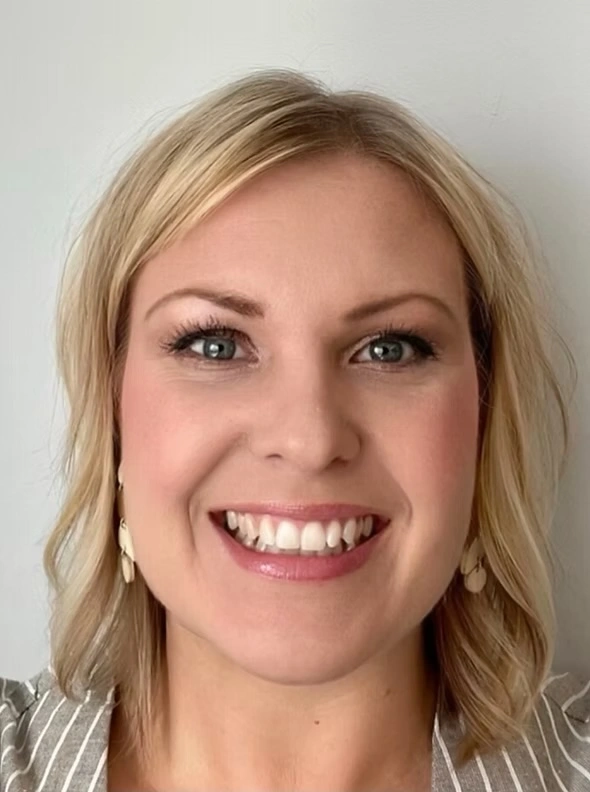

Jeff Homer
Jeff Homer is the founder of Ensemble Performing Arts, a vibrant community of independently run music and dance studios, powered by passionate educators and supported by a team that believes in preserving what makes each school special.
Season 1
|
Episode 21
Roll-Up Revolution – Jeff Homer on Acquiring and Scaling Music Schools
Jeff Homer didn't grow up in music education. He came from 10 years in finance, investing in small and mid-size businesses, before a job in Denver led him to a music school owner looking for a business partner. That chance encounter sparked something he couldn't let go. Today, Jeff is the founder of Ensemble Performing Arts, a national roll-up of music and dance schools with an audacious goal: 250 locations by 2030.
In this conversation, host David Martin sits down with Jeff to unpack the business model behind Ensemble's growth, what Jeff looks for when acquiring schools, and why an outsider's perspective turned out to be one of his biggest assets. From valuation methodology and acquisition process to teacher retention, marketing strategy, and the power of follow-up, Jeff brings a clear-eyed, data-driven lens to an industry he has come to deeply admire.
Jeff Homer
Jeff Homer is the founder of Ensemble Performing Arts, a vibrant community of independently run music and dance studios, powered by passionate educators and supported by a team that believes in preserving what makes each school special.
Watch the Full Episode
Show Notes
In this episode, you’ll learn:
- An outsider’s advantage. Jeff came from finance, not music, and turned that into a strength. While music school owners excel at teaching and student experience, many struggle with HR, marketing, and financial operations. Jeff built Ensemble around centralizing exactly those back-office functions so schools can focus on what they do best.
- What Ensemble looks for in an acquisition. Jeff uses three primary screening criteria: geographic fit (major metro markets where they can eventually own multiple schools), size (typically $750K or more in revenue as evidence of product-market fit), and culture (schools built around joy and individualized learning, not rigid conservatory models).
- The onboarding moment is the most vulnerable. Jeff describes the post-acquisition onboarding as the highest-risk period. His approach: keep messaging simple, emphasize continuity, validate what the team has built, and hint at career growth opportunities rather than leading with change. Increasingly, he sends regional managers who joined via acquisition to deliver that message firsthand.
- Growth beats cost-cutting every time. Ensemble’s primary lever for improving school margins is enrollment growth, not expense reduction. Because fixed costs are already covered, adding a single student can carry a 50% incremental margin. Going from 200 to 250 students can, in some cases, double profitability.
- How music schools are valued. Jeff walks through the concept of seller’s discretionary earnings (SDE): stripping out personal expenses, estimating the cost to replace the owner’s time, and then applying a market-rate multiplier. For most schools, that multiplier lands in the 3 to 3.5x range, with larger schools trending toward the higher end.
- Teacher retention drives student retention. Jeff is clear that retaining great teachers is the real engine of long-term student retention. Ensemble monitors teacher pay as a percentage of revenue, invests in career progression, and treats compensation growth as a strategic priority rather than an afterthought.
- Follow-up is the biggest unlock most schools are leaving on the table. Jeff describes the gap between the average school’s approach to a new lead (a single thoughtful email, then forgotten) and a system-driven approach with speed, sequence, and multi-channel outreach. In his experience, systematizing follow-up is the most accessible and impactful improvement any school can make.
David Martin (00:01:18.320)
Well, Jeff Homer, welcome to the podcast. so much appreciate you jumping on here. I have tons of admiration for what you’ve done in our industry, but I am excited, excited to have a chat with you.
Jeff Homer (00:01:33.680)
Likewise, thanks so much for having me. I’m excited to chat with you today.
David Martin (00:01:35.600)
So you founded Ensemble Performing Arts, which is kind of this conglomerate, I guess you could call it, where you develop sort of this roll-up strategy where you’re buying up multiple music schools and even dance schools and really building an incredible business. And one of the things that I’ve just been so impressed by is that You really just kind of showed up in our industry. Like, what was it about six years ago now, seven years ago and 2019. Yeah, 2019. And so I’ve got questions about this, but what makes it impressive to me is that you really, you didn’t grow up, if you will, in the industry and sort of, you know, start your own thing and, you know, your own music school and build it.
Jeff Homer (00:02:08.640)
Yeah, January 2019.
David Martin (00:02:21.520)
and then start acquiring. You actually just came from completely outside of the industry and you started the strategy. So very fascinating and unusual. But I’m curious. So you’re from Colorado, right?
Jeff Homer (00:02:36.000)
So I grew up in Calgary, Canada. live in Denver. I live in Denver, Colorado now. Calgary and Denver are very similar places.
David Martin (00:02:48.720)
Okay.
Jeff Homer (00:02:48.721)
But yeah, born and raised in Calgary, moved to the States to go to college. So I lived in Boston for seven years, lived in New York City for a couple of years, and then settled back in Denver. And I’ve been there ever since. And that’s where I got into the music school business.
David Martin (00:03:03.120)
Okay, so you actually you kind of landed in Denver and that’s that’s sort of where you’ve where you call home now. Okay, what took you there?
Jeff Homer (00:03:15.440)
Correct, yeah. A job that didn’t work out but but set my life on a very different trajectory, because it set me looking for, you know.
David Martin (00:04:16.239)
Yeah.
Jeff Homer (00:05:06.080)
something else I could do with my time. And I came across a woman in Denver that had a music school that was looking for more of a business partner. She was a teacher by background and I’m a student of music, lifelong student of music, grew up playing the piano, was in my high school and college choirs, took drum lessons when I lived in New York. So I’ve always had this experience of being a student of music, but I play at like an intermediate level. So she wasn’t looking for help for me teaching her students, but she was looking for help. building a great business around a great student experience and that’s where I caught the bug.
David Martin (00:05:41.280)
So until that point, music school was not on the, like that wasn’t in your mind at all.
Jeff Homer (00:05:48.560)
No, I’d had great experiences again as a student of music, but starting a business in that space was not something I had thought about until I met Dana.
David Martin (00:05:55.440)
Sure. What was it? What was it about the, like, what was it that kind of got you, that got you going?
Jeff Homer (00:05:59.360)
Yeah. Yeah. So at this time, let me maybe paint a fuller picture. after college, I worked in the finance industry for 10 years and I was primarily doing investments in small and mid-sized businesses. So these businesses are typically growing really quickly. They have something unique that they offer, a product or service that is in demand and it’s causing them to grow at a high rate. And that thing that they do is really unique, but they’re generally experts at it.
David Martin (00:05:59.361)
Okay.
Jeff Homer (00:07:27.599)
And what they need to support that growth is infrastructure that’s pretty similar from business A to business B to business C.
David Martin (00:08:00.639)
Yeah.
Jeff Homer (00:08:00.640)
And so I got a lot of repetitions at working with small and growing businesses that needed help building that infrastructure that was common from company to company because they were really expert at the thing that they did really well. I moved to Colorado. I took a job. Again, I mentioned that what I was promised and what I got when I showed up were not exactly the same thing. And so I started looking for other ways that I could spend my time. I love many things about the investing profession, but I think one of the drawbacks is there’s a layer of unreality to it where you’re interacting primarily with a spreadsheet and forgetting sometimes that there are real people on the other side of those numbers, the ones and zeros.
Jeff Homer (00:08:37.680)
And so I was really enamored with the idea of going out and looking to buy a small business.
David Martin (00:08:43.360)
Right.
Jeff Homer (00:08:47.360)
thought it’d be a fun chance to get some operating experience, to interact with real people, real staff, real customers, and to serve my community. And I was just fortunate, like I was just lucky that one of the first opportunities I came across was a music school that was for sale. like you mentioned, it wasn’t like I wrote down, you know, music school on my whiteboard and circled it and said, this is my next great idea. I just walked into a great opportunity.
Jeff Homer (00:09:26.560)
opportunity. And so to get back to answering your question in terms of what stood out about it was really, you two things. One, I walked in and this just felt like a fun place to spend time, right? This is a really positive environment. There’s kids coming in, they’re excited for lessons, there’s music floating out of practice rooms, there’s, you know, kids playing in different keys in neighboring rooms, and it’s it’s cacophonous and it’s really fun and it’s a really positive place to spend time. And underneath that excitement and that personal connection to my, you know, of brought, you know, flooding back my childhood memories of sitting at the piano and kind of got me excited about, you know, recommitting to the instrument. There seemed like there was a really attractive business opportunity contained there because many of the owners that we’ve partnered with since. have a background where, you know, they went to music college, they had a performing career, they’re amazing teachers, they’re so good with the students, but the… the business operational side was not their passion and was not their particular set of expertise.
David Martin (00:10:39.920)
Yeah.
Jeff Homer (00:10:43.440)
And it is mine, right? I just mentioned that I spent 10 years building that type of gritty infrastructure on behalf of a grab bag of different businesses across different industries. And I looked at this and said, I can do this, right? I can help you run a back of house operation that is as good as our front of house operation. And that’s what stood out to me as being really interesting alongside an industry I was passionate about in terms of seeing the value of music education and
Jeff Homer (00:10:52.000)
the importance that that had in my life growing up.
David Martin (00:11:58.000)
So you actually had, you were developing this really interesting set of skills, it sounds like.
Jeff Homer (00:11:58.001)
Mm-hmm, generally,
David Martin (00:11:58.002)
Before you even got into music schools, you developed this skill to be able to support, I’m assuming they were service-based businesses? Okay, so service-based businesses. And what you were starting to discover is that there were similarities across different industries where you could support them and you could actually build a robust,
David Martin (00:11:58.003)
I don’t know, what would you call it? Like a corporate? Okay, okay. What were some of the, or I should say, what are some of those elements that you kind of discovered that kind of did work across different industries?
Jeff Homer (00:12:44.720)
corporate infrastructure.
Jeff Homer (00:12:44.721)
Yeah. Yeah. And so when you think about what is a, what does a business need to thrive other than expertise at delivering its core product or service it’s It’s a small set of functions and it’s actually, in my experience, the type of thing that an owner finds himself doing at 10 o’clock at night after the students have all gone home for the day. Right. So after you’ve done running the business and providing the service, the things you do at 10 o’clock at night are the things that the business needs to run and that there’s an opportunity to centralize because they’re not related to student delivery. Right. They don’t affect the students experience in the studio. And so in our experience, this is
David Martin (00:13:09.600)
Yeah.
Jeff Homer (00:13:39.600)
the sort of HR who works here, right? So the hiring process, the qualification, the company culture, performance management, and ultimately, if there needs to be terminations or performance, so the whole HR process is typically owned by the owner.
David Martin (00:14:44.399)
Right.
Jeff Homer (00:14:53.199)
Generally, the whole financial process, the owner has their hands in that from collecting revenue to running payroll to banking to accounting and paying taxes. That whole revenue cycle management is typically an owner responsibility. And the last big one is marketing, both because the owner is the only person or the person in the building with the biggest incentive to care about growing the business.
David Martin (00:14:53.200)
Wow.
Jeff Homer (00:14:53.201)
So they hold the biggest incentive to drive marketing, but also because it’s a significant expense for the business and so the owner wants to make sure that they have their hands on that. And so when we set up our our shared services at Ensemble, we thought about needing to backfill those particular functions and recognizing that when we go into a music school or today a dance school, they don’t need our help to deliver a great student experience, but they need us to to carry those things, right? So help us attract and retain good teachers, manage and provide these career pathways for our employees. do great marketing, attract students, fill people’s schedules, make sure that the community is thriving, handle the financial process A to Z, revenue, payroll, accounting, tax compliance, et cetera. Make sure our IT systems work, our facilities work, that kind of thing. And that’s what we’ve built a shared services function around. And today, I think we have 70 people that work in our shared services team. It’s really become…
Jeff Homer (00:15:42.320)
a large group of people and it allows us to have experts, right?
David Martin (00:15:42.321)
Yeah.
Jeff Homer (00:15:46.800)
That do, you know, we don’t need to be, know, jacks of all trades doing all of those things again at 10 o’clock at night. We can have people whose true passion is payroll, know, do payroll and those people do exist and we have the privilege of working with many of them.
David Martin (00:17:12.400)
Yeah, I mean, that’s just so true, though. Like when you think of when you think of the average small business owner, they they obviously have to do everything right because it’s just them. They don’t have this big giant payroll. But it’s usually the things that bog them down. I’m just speaking for myself, actually, right now. So let me speak for myself. Like the HR is not something that I really want to be thinking about. Right. Like I don’t I don’t that stresses me out. I don’t I don’t want to deal with with HR or the bookkeeping or the taxes or any of that. And so I think that’s pretty universal though. I think most business owners didn’t get into business to become HR consultants unless that’s actually their business, HR. Right. But I think that’s a really interesting point.
Jeff Homer (00:17:12.401)
Well, there’s one layer deeper than that.
David Martin (00:17:12.402)
Right. Yep.
Jeff Homer (00:17:12.403)
And this is Michael Gerber’s idea in the E-Myth is that those things, as a business grows, those things that aren’t the passion actually take the entrepreneur out of the thing they are specifically really good at, right?
David Martin (00:17:12.404)
Right.
Jeff Homer (00:17:26.400)
So the Michael Gerber story is of the baker whose bakery grows and is successful and all of sudden the baker doesn’t find himself making bread anymore.
Jeff Homer (00:18:03.760)
And we work with a lot of music and dance school learners that don’t work in the classroom anymore, even though that’s their actual passion. And sometimes we’re able to give them an opportunity to get back there. They’ve sold the business to us and they’ve stayed on and they’re just going to be a master teacher because that’s what they actually are passionate about doing.
David Martin (00:18:25.840)
So when you were first looking at this music school, and initially it was just helping your friend out, At what point did you realize, wait a minute, this might be the next thing that I do?
Jeff Homer (00:19:46.720)
Yeah. Yeah. So, so I approached the first opportunity as very much a side hustle, right? So I had a day job. I was, I was doing well there. but it was almost perfect because in Colorado, in the mountain time zone, the public, the public stock markets are open from 7.30 AM to 2 PM.
David Martin (00:19:46.721)
Right.
Jeff Homer (00:20:27.600)
And here’s an afterschool business that opens its doors at three o’clock. And it felt like it was going to be a really natural thing that I could do both of these things for a period of time. once we did it once in terms of building out that infrastructure one time, in terms of when I met this business, it was a very pen and paper business. Hi, David. Here’s an 8 and 1 by 11 sheet of paper with your schedule for the week. Please check off each student that you see.
David Martin (00:20:27.601)
Stars aligned.
Jeff Homer (00:21:06.159)
Our front desk manager will use her index finger and she will count up the number of check marks and she will cut you a paper check. that’s, that’s 90 % of the operations of this business. And so.
David Martin (00:21:20.480)
Very primitive, yeah.
Jeff Homer (00:21:36.960)
you know, we’re getting, yeah, we’re getting into a world where a little bit of scheduling and CRM software and payroll software goes a long way in terms of improving the client experience of being able to, you know, book, manage, modify, pay for their, you know, for their lessons and for the employee experience.
David Martin (00:21:36.961)
Mm-hmm.
Jeff Homer (00:21:56.640)
And so it felt like, you know, we came in, we did a bit of a digital transformation process, you’ll allow me to call it that. I mean, it was, it was not a… This was not a big four consulting project. This was a small business deployment. But we got through that process and I sort of thought to myself, gee, we just built a really repeatable set of systems that we could deploy in additional schools. And I bet that there are other schools out there that have this problem. in that they are really good at serving their students and they have a dedicated base of a couple hundred kids that come every week and have a great classroom experience and are not as well served by the way the business is run administratively. And that’s where it felt like an opportunity to go, you know, launch a bit of a consolidation strategy where we would partner, you know, usually acquire, you know, these, these community based businesses, keep the things that they do really well and, don’t touch them. Don’t ruin, know, don’t, don’t ruin what ain’t, you don’t fix my name broken. But really help where they needed help and where they frankly didn’t have as much vested interest in is a lot of care and a lot of attention for what pedagogical method we’re going to use and that’s fine, but not as much effort or care for what payroll software we’re going to use at the school.
David Martin (00:21:56.641)
So you made the decision right away that you were not going to mess with anything regarding the branding or changing the experience for the staff or for the customers.
Jeff Homer (00:23:08.480)
And again, that’s just a reflection of me, right?
David Martin (00:23:08.481)
Right.
Jeff Homer (00:23:18.240)
I mean, I’m not going to tell you how to teach music. I mean, that’s just not a relative expertise. And I don’t think I’m the world’s most humble guy, but I know enough not to get in the way there. You went to music college and I didn’t, so.
David Martin (00:23:31.120)
Sure, right. Yeah. Well, but I mean, even from the standpoint of the brand, right? Like, I mean, you could have rebranded all of the acquisitions.
Jeff Homer (00:23:59.919)
Yeah, true.
David Martin (00:23:59.920)
Sure.
Jeff Homer (00:23:59.921)
Yeah, that’s a really interesting question. So the first five schools that we purchased were Denver, Las Vegas, Tampa, Boston, and Chicago. And that was a really ambitious start to this business. And we did that because we had a vision of being a national business. And we believed that we could sort of go in and backfill those markets over time. and have clusters of schools in large cities. But that meant that we didn’t have a real imperative to try to rebrand anything. If I’d bought a school 10 miles away, I might have had more incentive to try rebranding. But because these were half the country apart, we didn’t. And when we didn’t, we learned two lessons that I’m incredibly grateful for and that I would have screwed up if I’d been given the opportunity to do it differently. The first was that our parents are not looking for a McMusic, McDance, large big box experience. They really like the idea that this is a boutique, locally owned, locally operated, know, niche arts business. There, you know, certainly there are other parts of our economy where people value, you know, big national brands, but the performing arts are not one of them.
Jeff Homer (00:24:59.039)
So they liked the local feel.
David Martin (00:24:59.040)
Sure.
Jeff Homer (00:25:02.559)
And over time, it became a really important piece of evidence that our sellers used to evaluate our commitment to them that we wouldn’t, that we would take care of their business. And basically if we were willing to leave the name on the door, they would assume that we were willing to leave other things, you know, well alone as well. And it became kind of this first tangible proof point that we would do what we would say, what we say we would do in, we call it stewardship, stewarding their businesses that they’ve put decades of their life into building. And it was just sort of one piece of evidence they could look to on the day after closing and say, well, it still says, whatever on the front door.
Jeff Homer (00:26:25.840)
And I can still be really proud of that. of course, underneath, know, the vision was always that a student should come in on the day after closing and see the same front desk employee and go back to visit with the same teacher and have a very continuous experience. And we were never planning to hang an under new management banner out front or to meaningfully change the student experience. But this rebranding thing became kind of a tangible commitment to that on day one. I think it’s really still a really important part of our strategy today.
David Martin (00:27:04.480)
Yeah, I mean, guess that, I mean, when I think about, I’m just thinking about different acquisitions of large, larger conglomerates, you know, like you have Disney, for example, it owns hundreds of companies. It’s not like they put Disney on every single one of their companies. A lot of them, they’ll just keep the company the way it is because like you say, the customer is used to interacting with that brand. And that’s part of what you’re buying is you’re buying the brand, you’re buying the trust, you’re buying the what’s already working. And so that, does make a lot of sense. just from that standpoint. So like, okay, so you started buying these schools, you’re like, hey, I have something here, and things started going. What were some of the early problems that started arising? Like some of the challenge, I mean, I know it’s like nothing is ever seamless and perfect. What were some of those early challenges that you started encountering?
Jeff Homer (00:27:44.240)
Yeah, the biggest one was that just. dividing my time finer and finer between, you know, I had a bunch of very capable general managers. So, you know, one of the foundational strategy elements of, of, of building a multi-location music or lesson business was needing to have some capable people at the location that could address, you know, 80 to 90 % of what would come up on a daily basis. Notwithstanding that, that 10 to 20 % multiplied by
David Martin (00:27:44.241)
Mm-hmm.
David Martin (00:27:44.242)
Right.
Jeff Homer (00:27:57.840)
five locations, 10 locations, 15 locations, started to add up to a decent amount of work.
David Martin (00:27:57.841)
Yeah.
Jeff Homer (00:27:57.842)
And I basically was wearing three primary hats for the early years of the business. was…
Jeff Homer (00:28:20.000)
the CEO in so far as a small business needs a CEO, right? was owning kind of the vision and mission and values of the business. was the head of &A. I was running the acquisition process, soup to nuts. I would meet every seller. would fly to every closing. would welcome every teacher. did every single one of those things myself in the early days. And then I was the first regional manager for Ensemble. I was the next layer above the location manager. And today there’s eight. regional managers and ensemble, for a long time there was just myself and Jake, our COO, who he and I kind of split the country sort of east and west.
David Martin (00:28:20.001)
Wow.
Jeff Homer (00:28:20.002)
And that was a real pinch point. And…
Jeff Homer (00:28:23.679)
When we got around to solving that problem, that was the next, in my view, of big challenge that we ran into was we had to transform our really flat and friendly two layer organization where almost everybody had a direct relationship with the CEO.
David Martin (00:28:23.680)
Right?
Jeff Homer (00:28:23.681)
into a three layer organization. had to layer some people and that was a big moment of cultural transformation for the business where we had to say to some folks, hey, you may like reporting directly to Jeff. I’m sorry, Jeff’s time is, Jeff is now doing a bad job of supporting you because his time is too finely divided and we need to put someone in the middle there, but that’s gonna be kind of a, it’s a challenging and vulnerable moment culturally in the business.
Jeff Homer (00:29:15.520)
And one of the ways that I believe we had success with that was we sort of had an open application process where we said, hey, we’re going to promote internally for these roles. If you’re interested, please raise your hand. For those that didn’t raise their hand, we made them part of that selection process. So they felt consulted, and they got a say in the outcome. And I think that positioned our first regional managers to be more successful and to have more buy-in around this idea that we were going to create these roles. Yeah, it was a big change. And then the third big challenge was that having layered myself in that way, I used to have a very intimate understanding of what was happening in the front lines of our business because I was there. I was either talking to the general manager every day or in many cases I was physically traveling there. I I still average more than 130 flights a year.
David Martin (00:29:15.521)
Right.
Jeff Homer (00:29:15.522)
Like I was really on the road on the front lines.
David Martin (00:29:15.523)
Wow.
Jeff Homer (00:29:19.679)
And when we put, you know, layers in between, we needed to totally transform how we manage the business because now I couldn’t just see and do. I needed KPIs and more of a database management process for seeing how our business was performing, catching out liars, you know, intervening where necessary. So that was kind of the evolution, if you will, it was sort of like… you know, my time got too finely divided. We needed to solve this problem with, you know, sort of a prototypical middle management layer. Then we needed to make sure that our business had sort of the KPI infrastructure in place to where we could manage by data and KPI rather than by, you know, Jeff being at the school on a regular basis.
David Martin (00:29:19.680)
How did you know, without any background in the industry, how did you even know how a good music school ought to run, like how a successful music school ought to run, you with the teachers and the culture and everything like that? How did you pick up on that so quickly?
Jeff Homer (00:30:08.720)
Um, well, I don’t, I don’t know that I did.
David Martin (00:30:08.721)
Okay, sure.
Jeff Homer (00:30:11.919)
Uh, I, you know, I’m not, I’m not sure that I, that I really did, but, but I, but if, if, if I did the way that we got there was in a couple of ways. When we saw some great businesses early on, I mean, some of the businesses we were quite early on were really well run. mean, these were not, you know, turnarounds and these were not, you know, sort of bargain purchases. We bought great schools from great operators and they learned a lot from them about, about how the business works. The other is by looking for.
Jeff Homer (00:30:43.039)
know, places where we can make analogies or inferences from other industries, right?
David Martin (00:30:43.040)
Sure.
Jeff Homer (00:30:47.120)
And so, you know, yes, there’s an element of a music business that’s highly unique and that a lot of expertise is required. And there’s another framing in which this is a appointment-based service business, and there are dozens of those, and there’s lots of examples we can look in for like how these run well.
Jeff Homer (00:31:35.200)
you know, how we market personal services, you know, might be very similar.
David Martin (00:31:47.279)
Right.
Jeff Homer (00:31:47.280)
And then I’m fortunate that I have the benefit of a couple hundred expert music teachers to deliver the services. I don’t need to have the technical expertise to do that, but I can leverage examples from other industries to think about how these businesses run from an operational perspective.
David Martin (00:32:58.399)
So all the acquisitions, all the different sellers that you worked with and negotiated with, were there any duds, any that you had to close up shop along the way?
Jeff Homer (00:32:58.400)
We still have never closed a location that we’ve acquired, and I’m really proud of that.
David Martin (00:33:01.120)
Yeah, wow.
Jeff Homer (00:33:11.440)
That’s not to say that they all went smoothly for a variety of reasons. we had sellers that got to closing thinking that they were done. And of course, there’s a transition process that’s needed, and we needed some support to learn the business and to run the business well post-closing.
Jeff Homer (00:33:21.440)
Sometimes there was a sense of, hey, I signed the LOI. generally, the LOI is sort of an informal agreement of what the deal terms are going to be. And the closing might be six, eight, 10, 12 weeks later. And there was a tangible sense that they’d kind of stopped working during that period. And the momentum of the business was a lot less than was evident in what they would have been doing beforehand. And it takes a while to get that started again.
David Martin (00:33:21.441)
Hmm.
Jeff Homer (00:33:21.442)
But generally, I think we were fortunate in that we partnered with people that had a ton of pride in what they had built. And they wanted to see that handed off in a high quality way. And they wanted to see the brand that they built and the staff that they built be successful. And so they gave us their all right up through the finish line and handed us off great storied community music schools and dance schools and that we were able to continue to operate those for them in their absence.
David Martin (00:33:36.000)
So when you’re evaluating schools to purchase and you’re looking for kind of these ideal candidates, if you will, for your next acquisition, do you have some key metrics that you really like to look for, that you like to see?
Jeff Homer (00:34:06.320)
Yeah. So we use a couple of screening criteria for this. The first is kind of geographical fit. So I mentioned, you know, Denver, Denver, Vegas, Tampa, Boston, Chicago, what are those places have in common? They’re big cities, right? They’re places where we could someday own many schools and get the benefits of some local economies of scale. I, you know, we’re probably not buying a school in Manhattan, Kansas, but Manhattan, New York, no problem. You know, we’re open for business there. So that’s the geographic fit component. The next is size. And size is important for us, and I mean size in terms of like enrollment or revenue, of general indicators of size. And size is important for two reasons in my view. One is size is evidence of product market fit, meaning that whatever pedagogical approach or marketing approach this business is taking in this community,
David Martin (00:34:06.321)
Sure.
Jeff Homer (00:34:13.760)
there’s clear evidence that it’s resonating at a certain level and that there is a cohort of students every year that’s going to find this interesting.
David Martin (00:34:46.159)
Yeah.
Jeff Homer (00:34:46.160)
And that can be different in different parts of the country.
David Martin (00:34:46.161)
Sure.
Jeff Homer (00:34:49.839)
It might be. you know, in Tampa, we have Tampa Music School where it’s like the most fun place to come and take your five year old for piano lessons. And it’s going to be a really exciting introduction to music and a start on their music journey. And that’s a totally different thing from in the Bay Area in San Francisco. We have Pacific Piano School where, you know, we have a couple of really pedigree teachers and you bring your kid if you want them to be a real high achiever. And it’s there’s a waitlist for these teachers and it’s very expensive and there’s high expectations in terms of practice. And you know, these are some of my favorite recitals to attend because these kids are amazing. Like they just play circles around me. And those things are very different from each other, but each has found product market fit in that community. And so size is a screening criteria for that reason. And then as we’ve grown, also contributes to a like return on effort component. As we think about, it’s going to take us a lot of time to get through an &A transaction. And we want to make sure
Jeff Homer (00:36:10.800)
that the effort will be worth the added value that it brings to the business.
David Martin (00:36:52.240)
Mm-hmm. You’re right. Yeah.
Jeff Homer (00:37:01.280)
so size is an important criteria. And today, we generally don’t acquire a school that’s smaller than about 750,000 of revenue. So it’s a decent sized school. Next we’re looking for, and again, we already have size and that kind of product market fit as a criteria, but we’re looking for a cultural, like, is this fun? Like, does this seem like a fun place to come and learn music or dance? So no Eastern European conservatories where like rulers are wrapping knuckles if notes are misplayed and where there’s kind of an individualized vision for music or dance education, where you can find a pathway based on your interests and based on where you are in your journey.
Jeff Homer (00:37:13.680)
and a teacher that has enough professional experience and ability can meet you where you are and take you to where you want to go as long as you are a willing participant in that journey.
David Martin (00:38:09.680)
So all the different schools that you have, do you have both one-on-one lessons and group classes that you offer? Okay. Do you have any opinions about that? Just in terms of the viability of the product of a group versus one-on-one?
Jeff Homer (00:38:09.681)
Not all of our schools offer group classes. Most of them do, but not all of them.
Jeff Homer (00:38:33.440)
So I’ll give you some general observations from having, you know, from a national portfolio.
David Martin (00:39:21.760)
Sure. Yeah.
Jeff Homer (00:39:21.761)
Group lessons are often very successful ways of getting students introduced to music and a music educational environment at a lower price point than private lessons.
Jeff Homer (00:40:52.640)
They can be great opportunities for enrichment for students that are already in private lessons and might want to play chamber music or a rock band or something that gets them playing music with other people and kind of hooks them into that private lesson experience. But groups are challenging in that students, especially young students, tend to progress at very different rates. And so it’s hard to keep a group together for a long period of time. And so Across most of our schools, we use group classes either as an introductory gateway to private lessons or as an enrichment for students already in private lessons to find another dimension to their experience in our school. And I know that there are schools out there that have had success with technology-enabled group lesson programs that are more individualized and whatever, but we haven’t had success with those things.
David Martin (00:42:03.440)
Interesting. Yeah, yeah, because I’ve heard the same thing. You we always focused on the one-on-one lessons. I always found the student retention rate to be better with that. And so long term, the actual lifetime value of that customer was higher because they were sticking around longer. And so the value of that customer was higher than even in a group setting where you’re getting more per hour, but they weren’t there as long. I was.
Jeff Homer (00:43:12.240)
Yeah. The other nuance is a marketing one, So groups have to have start and end dates, right? So like if we’re starting a group, it’s got to start at the same time or close to the same time. So group marketing tends to be episodic. And so it requires more effort and more intervention than your private lessons are in Evergreen. We’ll sell you a piano lesson today, tomorrow, next week, next month, next year. That’s an Evergreen approach to trying to sign up a student. And there’s less effort required to set that up and let it run.
David Martin (00:43:38.079)
Right.
David Martin (00:43:57.920)
Yeah, that makes sense. That makes sense. What about student retention? I mean, obviously in a service-based business where it’s a recurring membership, if you will, retention becomes or your churn rate becomes like a really, really important metric to be tracking. How do you view that and what’s your approach at tracking that?
Jeff Homer (00:44:13.760)
the exactly what you said. So we are a subscription based business, gross additions, churn and net retention are health metrics, right? And they tell us whether we’re doing a good job and they tell us in which areas we’re struggling, right? So we measure ads and churn separately because they tell us if we’re doing a good job of sales and marketing, they tell us if we’re doing a job of service delivery. And
David Martin (00:44:13.761)
Right, bringing them in.
Jeff Homer (00:44:45.119)
there’s kind of just no substitute for it, And again, this is your report card for a teacher as well, right?
David Martin (00:45:06.560)
Sure. Yeah.
Jeff Homer (00:45:17.280)
If your student is…
Jeff Homer (00:46:34.240)
Engaged and progressing and having fun and being challenged and playing music that resonates with them like they’re gonna stay enrolled Unless you know, there’s some kind of life event and so being able to look at okay, you know, here’s our teachers You know stack drank by retention, know, let’s give out some prizes to the people that are on the top of this list Let’s have some conversations folks on the bottom of this list. Okay, there were some outliers This kid moved this, you know this student like, you know some some explainable reason but you know If the same people are at the top and the bottom every month we kind of have a sense of who who’s performing performing well without having to sit every lesson or no. And there’s just so much value to that information. yeah, if I was on a desert island and I could just know one thing about my business, be how many students did we sign up and how many students quit today. Like that’s all.
David Martin (00:47:34.480)
I love that. So what churn rate do you look for? Like what’s a healthy school churn rate?
Jeff Homer (00:48:46.720)
So I think somewhere in the 95 % to 97 % gross monthly retention is pretty typical. Do we dip a little lower than that in May sometimes? But yeah, I think if we’re turning more than 3 to 5 % of our students every month, we need to have a serious conversation about why and what’s going on.
David Martin (00:48:56.400)
And would you say that that’s something that’s in other industries as well, like service-based industries as well, you know, when you’re looking at the churn rate, subscription specifically, obviously. Is that pretty typical across different industries?
Jeff Homer (00:50:04.319)
So one of the reasons that SaaS software is an investor darling is because they can have, there are great SaaS businesses that actually have negative churn measured in dollars because for an existing base of users, most of the businesses that use them are growing.
David Martin (00:50:04.320)
Hmm.
Jeff Homer (00:50:04.321)
So the ones that are growing add seats. And they may churn some logos, but there’s more seats being added by the ones that stay than are being lost by the businesses that churn. And so there’s actually a world where you see, know, net revenue retention is the metric that they refer to of like 115%, you know, plus new additions to it. So there’s, there are businesses that are dramatically better. And then there are, you know, I think if you, I don’t know, if you were to look at some personal services,
Jeff Homer (00:50:22.240)
hairstylists, for example, my guess would be it would be much lower than that, but because they don’t come back as often. There’s more people moving in and out or whatever. So, yeah, I think it’s a I think that that metric is highly contextual to our industry. But I think. I think across the country, we have a sample size of almost 100 music schools that we operate. pretty consistent that we’re trying to get to you know 95 96 97 and you know if we’re not in that range we need to be thinking about you know what is it that’s different about
David Martin (00:50:22.241)
Right, what’s wrong or what needs to be tweaked? Yeah, no, that makes sense. That makes sense. I find it really interesting because it was always like this frustration point, you because it’s never perfect, right? There’s always something you can do to improve. But to have a standard or a baseline, I always figured 5 % a month is where like drop rate, so 95 % retention, but like, That was always my goal was that 5%. So it sounds like that’s kind of in line with what you’re saying. So, oh, go ahead.
Jeff Homer (00:50:37.599)
I was just going to say, if you’re sitting there and you’re listening to this and your drop rate is 5.1%, I don’t think that’s a disaster, right? But it’s like, we need to be in this zip code to feel like we’re doing a good job.
David Martin (00:50:40.400)
Yeah. Sure. Yeah, no, I think that’s a great point. And also, like you said, it’s seasonal, right? So obviously summer drops, know, spring sports, that’s gonna affect the retention, but the hope is that the average overall is gonna be close to that 5%. So yeah, I think that’s super important. And I think it’s one of the most under or overlooked metrics in our industry. I think a lot of people focus on adding students, but… because it’s exciting, you’re getting new students, you’re getting new, you know, but the idea of keeping the ones that you have is a really, really important, equally as important, in many ways more important actually, metric to take a look at. So, okay, so let’s say a school has good numbers. Like a school that you’re looking at to acquire has good numbers. Is there ever a world where you’re like, yeah, the numbers look good, but
Jeff Homer (00:50:53.520)
to.
Jeff Homer (00:50:53.521)
Yeah.
David Martin (00:51:16.400)
We’re not gonna go for it.
Jeff Homer (00:51:19.760)
I mean there might be qualitative reasons for that but if what’s underlying your question is, know, we’re not, we don’t need there to be some untapped opportunity for us to be interested if that was sort of the thrust of your question. Like if this is a picture perfect, music school with great systems, great staff, great student experience, and there’s not really much to go in and fix, that’s still super interesting to us because one, back to that kind of return on effort piece, there’s not a lot of effort that’s gonna be needed to really transform that business. And two, there’s a tremendous amount we can learn and hope to apply elsewhere in our portfolio. So one of the benefits we have of having these dozens of locations is that we can look at what works here and there and what are some of the things that you’re seeing that are really working or not working. And we can take the best practices and of sprinkle them around in way that I find to be really energizing. yeah, in fact, we probably Where we’ve been, you asked about kind of the acquisitions that haven’t worked out. One theme of acquisitions that haven’t gone as well as others is ones where we thought we could kind of sprinkle ensemble dust on it and make it something that it was not. yeah, turnarounds are not our specialty. We’re trying to buy high quality schools that are headed in the right direction and we’ll continue to do so under our ownership.
David Martin (00:51:30.960)
Yeah, so if the numbers are good, then it sounds like what you’re saying is everything else is fixable. You can make the deal work if the numbers…
Jeff Homer (00:52:22.960)
Yeah, mean, yeah, look, you know, really bad personality conflicts or bad culture, you know, whatever.
David Martin (00:54:03.520)
Sure.
Jeff Homer (00:54:05.280)
But yeah, but generally those things would show up in the numbers, right?
David Martin (00:54:08.800)
Right, right, right.
Jeff Homer (00:54:18.079)
Generally, there would be some kind of evidence of if there was a big problem in the business that it would show up in the numbers and people vote with their feet. But, both the students and the staff, if they’re staying, if you’re sticking it out there, there’s probably something really good happening.
David Martin (00:54:18.080)
Well, and that’s kind of what I wanted to get to next is just this whole transition. it can be scary, right? And most employees in general do not like change. They don’t like things to get disrupted. so you have to tread very carefully with that whole process. is there a part, well, maybe you could just briefly sort of walk our listeners through like what does the process of acquiring a school look like. And then my follow-up question to that is, where is it most vulnerable? Like where do you have to tread the lightest?
Jeff Homer (00:55:05.359)
Yeah, super interesting question.
David Martin (00:55:05.360)
Yeah.
Jeff Homer (00:55:05.361)
the macro view of of an acquisition process would be sort of like three phases pre-closing, three phases post-closing. So phase one pre-closing is like a get to know you, right? Like socially, does this feel like the right fit? Where are you at in your life? What is your motivation for thinking about potentially selling a business? Phase two is a discovery, sort of quantitative evaluation. So there’s going to be some financial information that’s provided. We’re going to respond with, hey, here’s what we think is a reasonable valuation for the business. proposal, that’s all kind of put together. And there’s a trust but verify element that goes into that as well, where we’re going to assume everything you say is true, but we’re also going to check. And that’s phase two. And phase three is kind of closing. It’s kind of fast and furious. We’re working with lawyers. We’re getting contract signed. We’re working really hard to…
Jeff Homer (00:55:53.200)
to get the deal done. kind of discovery, diligence, closing would be the three pre-closing phases. Post-closing, there’s this onboarding moment and that’s definitely the most vulnerable in answer to your question. So this is the moment where we’re introducing ourselves to staff, unplugging and replugging all the merchant processing and electric utilities and all the things that need to get moved over to the new owner. Then there is kind of a stabilization period where we’re no longer frantically unplugging, but we need to look forward and think about, hey, how did you do student performance opportunities? What are some of the fun elements of your calendar? What are some of the things that we need to be responsible for that are more forward looking? And then there’s kind of a glide path or kind of a steady state that we reach at the end of that journey. So I’ve probably had, I don’t know. several hundred to maybe as many as thousand onboarding conversations with new ensemble employees over the years.
Jeff Homer (00:55:57.440)
And our message has always been really succinct because employees are not capable of hearing that much or that much detail in a moment where they’re going, my God, what’s happening? What’s it gonna mean for me? What’s it mean for my family? What’s going on? So we really try to stick to a couple of core messages.
David Martin (00:55:57.441)
Sure.
Jeff Homer (00:56:04.319)
The first is that we bought the school because we think really highly of it, right? So why are we here? We are here because this is a great place to learn music or dance and you are an important part of that.
Jeff Homer (00:56:32.319)
So, you know, like let’s try to take down the temperature in terms of this is a good school, you are a good teacher, and we want to be working in partnership with you for a long time.
David Martin (00:56:32.320)
Sure.
Jeff Homer (00:56:36.720)
Two is emphasizing continuity. So generally speaking, we’re gonna have the same front desk manager. We’re gonna have the same staff, gonna have the same schedule, have the same pay rates, we’re gonna have the same cancellation makeup policy. Like we’re going to leave a lot of the bones in place. And so we’ll make commitments around, hey, you know, the go-forward on the ground leader of the business is gonna be, you know, so-and-so. And you already know so-and-so. So-and-so has been here for five years. They currently work at the front desk. Like you like so-and-so. You can feel really confident that so-and-so is gonna be a good standard. for the culture and for the community going forward. And so you can kind of trust that there’s going to be some continuity for you. And then the third message, and we just kind of hint at this, is about growth opportunities, right? So I know that you need to feel confidence in where we’re headed, but when we get there, there are going to be opportunities for those of you that want something beyond the four walls of this business.
David Martin (00:57:01.839)
Right. Yeah.
Jeff Homer (00:57:01.840)
So if you’re looking for career growth trajectory, where you could take on a corporate job, become a regional manager, be a GM at another school, like even just have growth in compensation and benefits and 401k and healthcare. These are things that are now available because Ensemble is a larger business and you’re part of that and getting the benefit of it. So we don’t dwell on that because people aren’t, on day one, people aren’t really ready to hear that yet, but we want them to feel like there’s gonna be something in it for them. And again, it might be just as simple as like, we’re really good at marketing and we’ll fill your schedule and you’ll be, you won’t have lessons at five and 5.30 and 7.30 anymore, like you’re gonna be full.
Jeff Homer (00:57:22.240)
from, you know, from 48.
David Martin (00:57:42.559)
Yeah.
Jeff Homer (00:57:46.480)
And, you know, I think, first of all, we’ve had a really good success with that. I mean, we’ve had very few people that laughed at the moment of transition. And, you know, some of it’s because we got that sort of messaging mix right. Some of it’s because, you know, this is a, you know, this is an important part of the livelihood of many musicians and many dance teachers. Like they need to, you know, they need to earn. a living and so they were willing to give us the benefit of the doubt while their paycheck cleared. But the other thing that’s changed over the last couple of years is that I stopped being the one that went out to many of these onboardings and in my place we sent some folks that had actually gone through it.
Jeff Homer (00:58:29.119)
Right? So today, when we acquire a school, I can’t go to all of them. And so we often are sending like the regional manager for that area and really regularly they’re able to say, Hey, I joined ensemble via acquisition. It’s been really great for my school. It’s been really good for me. I’ve had all these opportunities and that’s really different than me saying, Hey, I promise that it’s going to be a certain way. Someone else saying it was this way for me can be, is a really authentic messenger for that. And so I think we’re actually getting better at delivering that message over time.
David Martin (00:59:22.480)
Right.
David Martin (00:59:22.481)
Hmm.
David Martin (01:00:26.880)
Yeah. Right.
Jeff Homer (01:00:31.040)
But you’re totally right. It’s a vulnerable moment. People are concerned about what it means for them and for their families. And in that moment, we try to just kind of take the temperature down, emphasize that we like the bones of the school and that we want to be more about continuity than change in that moment.
David Martin (01:00:50.079)
Hmm. How did you know that that was the message you needed to get? Like from the very beginning, did you have sort of that template from your past experience that that’s the way you want to go in?
Jeff Homer (01:00:50.080)
It wasn’t even past experience.
David Martin (01:00:50.081)
Yeah, yeah. Yeah.
Jeff Homer (01:00:50.082)
was sort of like, look, my biggest fear even today in running the business is that the way you framed up your introduction was very kind to me, but it also highlighted that I’m an outsider to this industry.
David Martin (01:01:20.640)
Right.
Jeff Homer (01:01:20.641)
I didn’t go to a well-regarded music college. don’t have a list of performance credits. I don’t look as authentic to a school owner or to a teacher as most other people that could be my their school. And so I was really self-conscious about that. And so I really leaned into you’re an expert at what you do and I promise not to step on your toes in that area but you but trust that I’m an expert in what I do and that will have some value to you in sort of shoring up the administrative experience of working here or taking lessons here.
Jeff Homer (01:01:20.642)
As a student, to this day, I still take a weekly piano lesson to this day, as a student I understand the value of what you provide and I want to support you in that and I promise not to get in your way.
David Martin (01:01:37.680)
Was there anything about the experience between the founder, like the original owner, and that conversation and negotiation, was there anything that surprised you that you needed to kind of tweak that you learned along the way?
Jeff Homer (01:03:00.240)
Well, something that continues to surprise me to this day is that for a lot of the folks that we do business with, is an important consideration, but it’s not the primary consideration.
David Martin (01:03:00.241)
Hmm.
Jeff Homer (01:03:14.240)
Just being the high bidder is not enough to get a deal done in a lot of cases because these are owners that have put, again, 10, 15, 20 years into building these businesses and often working really closely with many of the people that have been there for a long time and are going to remain there hopefully for a long time post-closing. they… care deeply about not being perceived as selling them out into a bad situation post-closing. And so they want to know, are you going to take care of my staff? Are you going to treat my students and families fairly? And projecting, not projecting, instilling confidence on that front is, in my experience, of the, that’s the table stakes to get you to the table. And then you need to come up with a competitive price.
David Martin (01:03:18.400)
Yeah, so there’s an emotional component. Is that what you’re saying? Yeah, yeah. Yeah, it is interesting. I think that’s really true. I know that was for me. Very much of a kind of a legacy that you’re leaving, you know? So on that note, what’s, what is this, where is this all headed for you? What’s the big thing you’re chasing after?
Jeff Homer (01:04:10.720)
Very much so, yeah.
Jeff Homer (01:04:16.880)
Yeah, so our big audacious goal that we have set for ourselves is trying to get to 250 studios by 2030.
David Martin (01:04:28.559)
Yeah.
Jeff Homer (01:04:32.480)
So we’re halfway there. that metric we chose to kind of just put something out there for setting expectations inside of our business about the pace and where we’re going and what we hope to achieve. At 250 schools, our market share will still be approximately 0%. There’s maybe like 8,000 to 10,000 music schools out there in the country. We’re not going to own any mean proportion of them. People don’t need to worry that we’re going to become some kind of monopoly.
Jeff Homer (01:05:43.520)
or that sort of fear.
David Martin (01:06:00.480)
Yeah.
Jeff Homer (01:06:05.680)
But what we’re doing seems to be working.
David Martin (01:06:10.960)
Sure.
Jeff Homer (01:06:19.280)
It seems to be resonating with owners that in the early days of Ensemble, the most common response that we got when we made outreach was, oh, wow, I didn’t know that someone would be interested in buying my business. So I think we’ve been successful at putting owners in a position where they can access the value of what they’ve built without having to make a discount sale to an employee or sell or finance a transaction to an employee or something like that.
Jeff Homer (01:06:50.960)
cash value their business at a moment where they might need it to make a change in their life, whether it’s retirement or relocation or kids, grandkids, some life change. We can get them that value and we can also get them that confidence that their people who come to that building are gonna be well taken care of post-closing.
David Martin (01:07:11.359)
Yeah, yeah. So, we haven’t even really talked about this, but how do you value a business? What are the nuts and bolts if someone’s listening and they’re thinking, huh, well, I wonder if my school would be something and what it might be worth.
Jeff Homer (01:07:11.360)
Yeah. Yeah. So we actually host evaluation calculator on our website. So. You can go to ensembleschools.com and can get a pretty good answer to this question. But qualitatively, the way that we value business, and I want to state at the outset that there is tremendous value that a music school is providing to a community in terms of the experience students are having and the impact that that has on their development and on the fabric of that community. Nonetheless, we need to place a monetary value on the business.
David Martin (01:07:11.361)
Okay.
Jeff Homer (01:07:14.079)
And there’s a couple ways we can get there.
David Martin (01:07:14.080)
Yeah.
Jeff Homer (01:07:14.081)
One is we can look at the fact that other businesses in our community transact somewhat regularly. The stores on our street sell. And we can look at what those sale prices, similar to how you value your house, what’s the best indicator of what your house is worth, what your next-in-the-world’s house is worth. So we look at other businesses and what they sell for to get a good sense of what the valuation is for Main Street businesses. And of course, we’ve now done more than 100 transactions. So we have really good sense for what the market is. The way that we approach this is we work on recasting the seller’s financial statements to show the true earning power of the business.
Jeff Homer (01:07:14.082)
It’s I don’t recommend it, but it’s really common that owners are running a lot of personal expenses to the business.
David Martin (01:07:14.083)
Yeah.
Jeff Homer (01:07:14.084)
There’s, you know, there’s, there’s all sorts of stuff. There’s family members being paid. There’s, you know, kids are on the payroll and then, and the, you know, the trip to wherever we got expense for the business. Anyway, so we work on stripping all of that out to give full credit for the, you know, for the earning power of the business. And then we, uh, we, we look at what it will cost us to replace the owner’s time in the business. Right. So whether they’re teaching.
Jeff Homer (01:07:17.359)
whether they have administrative time, we make an estimate of how much labor we’ll need to purchase from either the existing staff or from new staff to replace the owner to get a sense of what the go-forward cash flow of the business will be. The industry term of art for this is seller’s discretionary earnings, meaning all of the earning power that accrued to the seller that they decided how to spend, whether it was on perks or paying their kids or paying the IRS. And then we use sort of that, we get that cash flow number and we multiply it by a multiplier to get to the valuation. And the multiplier is where we use those comparable business transactions to get a sense of where the market is. And typically we’re ending up in the kind of like three to three and a half times range. That number is contextual based on size. So larger businesses are much more likely to fall towards the higher end of that spectrum because they’re, they’re larger. So there’s that, that there’s that proof of product market fit. There’s also generally more and better support resources in the business. So there’s a larger pool of teachers, there’s more diversity of students, there’s more administrative staff. It’s a more resilient, robust business. And so that tends to attract a higher multiple, but Typically, we’re going to live in that kind of like three to three and a half times range once we’ve figured that seller’s cash flow on a go forward basis.
David Martin (01:07:17.360)
And so, you know, as a potential seller, then the next logical question is, well, okay, so let’s say my SDE is, you know, $100,000 a year or something like that. How can I make my school more profitable, right? How can I increase that number? And, you know, so that’s a loaded question, I know, but like when you’re looking at a school, just any of your schools, and you’re thinking, how can we improve our margins? What are some of the things that you’re looking at? How are you improving the margins of your schools?
Jeff Homer (01:07:17.361)
Yeah. So all of our answers to this question almost always revolve around growth as opposed to cutting, right? these businesses, owner operated businesses are almost always run in a very lean way, right? Cause money that would go to whatever expense comes out of the family, the family, you know, the family budget. And so
David Martin (01:07:17.362)
Interesting, okay.
David Martin (01:07:17.363)
Sure.
Jeff Homer (01:07:17.364)
There’s generally under investment rather than over investment.
David Martin (01:07:17.365)
Yeah.
Jeff Homer (01:07:17.366)
And so we look to invest to grow the business, to improve margins, as opposed to cut expense to improve margins. And some intuitive kind of math for why that’s really powerful is let’s say that we are in a market where we’re charging $80 an hour for lessons and we’re paying our teacher $35 an hour for lessons. our gross margin, meaning the portion of the lesson dollar that we keep is more than half. And so as we, and, but like the margins for the overall business might be like 15, 10, 15%, like low double digits is a very common starting place because we have rent and we have overhead and we have insurance and we have all these fixed expenses. But.
Jeff Homer (01:07:17.367)
When we add one more student, we don’t have to add more rent, right? We’ve already paid for the building. And so even if we have a 10 % starting margin, the next student that we drop in has a 50 % incremental margin. We keep 50 % of the next dollar. And so changing enrollment from 200 to 250 students might double profitability because those fixed expenses scale really nicely as we push enrollment higher. And so Generally, our number one change that we make when we come in after we buy a business, so we spend a lot more on marketing, and we’re more diligent about follow-up in terms of the leads that are generated by that marketing. And those things are great for the business because they make sure that our teachers are more busy. They make sure that there’s a vibrant hum around the building where the classrooms are full and there’s a good community and the recitals are full. And it’s a positive thing, but it leads to really, really good financial outcomes because of that fixed cost operating leverage that’s present in these business models.
David Martin (01:07:17.368)
Yeah, no, that makes a lot of sense actually, especially from a perspective of a larger company like yourself where you have a larger budget to be able to invest in a small operation to really help it grow.
Jeff Homer (01:07:17.369)
Yeah.
David Martin (01:07:17.370)
Do you also look at, as it relates to margins, do you also look at price, like the tuition raises as well as, you know, I think of the largest line item on the budget, which is the payroll. And obviously, I’m assuming you’re not going in and just cutting payroll, but there are ways that you can look at, especially with teacher pay, because that’s the largest number of employees in terms of creating tiers, just having different creative avenues for watching that profitability.
Jeff Homer (01:07:17.371)
All the metrics, all the ideas you just highlighted are super valid and super powerful, but they’re not even kind of like top of our list is because getting occupancy.
David Martin (01:07:17.372)
Right.
Jeff Homer (01:07:17.373)
one of the core, know, we talked about subscription metrics as being like the number one thing for the business.
David Martin (01:07:17.374)
Right.
Jeff Homer (01:07:17.375)
Right under that, in my view, is kind of inventory utilization, right? So how many rooms do we have and how many lessons do we have from three to 7 PM or four to 8 PM or whatever prime time is in your business? How full are we in that window?
Jeff Homer (01:07:17.376)
of time and getting that from 50 to 60 to 70 percent is really valuable and very rarely is it 100.
David Martin (01:07:17.377)
Hmm.
Jeff Homer (01:07:17.378)
So it’s usually the case that there is room there.
David Martin (01:07:17.379)
Right.
Jeff Homer (01:07:17.380)
Nonetheless, to answer some of the questions you asked more directly, pricing is a lever that we will look to use but moderately, right? So we want to be able to take a little bit of price every year or every other year. We’re not coming in and jacking prices up by 30 percent or trying to alienate customers, that kind of thing.
Jeff Homer (01:07:17.381)
And we are trying to be thoughtful about teacher wages as a percentage of revenue. And we want to be able to provide for advancement of our teachers that stay and that give us that commitment. because teacher attention is the ultimate driver of student retention. So we want to our teachers and we want to have our teachers feel like they’re making progress. in their careers, but we also want to balance that against the cost as a percentage of revenue. So we do monitor those things, but we’re not pulling hard on those levers. We’re kind of guiding those levers, and we’re hammering the, let’s just get new students as hard as we can.
David Martin (01:07:17.382)
Well, I think that makes a lot of sense because it’s like you said, you know, I mean, if you have a room, a studio room that’s only 60 % full, the best thing you can do is focus on growing that or, you know, getting that closer to 100%. No amount of rate increases and, you know, lower teacher pay is going to be as good as just simply getting more students into that room. Right. Yeah.
Jeff Homer (01:07:17.383)
Yeah, or it’s fun, right? Like it’s a lot more fun to get another student than it is to try to raise prices or explain to a teacher why, you know, they might be getting a raise, but it’s not as big as the one that went to the students or, whatever.
David Martin (01:07:17.384)
So, and last question, I know you gotta go, but as it relates to marketing and growing, that’s a very broad topic, right? Marketing, everyone wants to know the silver bullet, right? Like what’s the thing that you do to grow your schools? How do you view marketing? What’s your overall approach?
Jeff Homer (01:07:17.385)
Yeah, so from a high level, our view of marketing is that we’re unlikely to interrupt the parents doom scroll on social media and get them, you know, I should sign my kid up for lessons, right?
David Martin (01:07:17.386)
Hmm.
Jeff Homer (01:07:17.387)
That’s not likely to be where we have success. so. We work on making sure that when people are looking for lessons and we’re fortunate that there’s still a really robust backdrop of demand of parents saying, I want this experience for my child. We want to make sure that they find us. So with that in mind, there’s a couple of strategies that are really relevant. We have a big SEO advantage at Ensemble in that we can sort of pool the equity in technical terms, the search. the search weight that Google is giving us, can pull that across our business units. And so every time we add a new school to Ensemble and we sort of give them the access to that Ensemble backend, we can see their organic rankings rise already. We work on things like review campaigns, getting regular positive reviews for the business to show, especially, we care most about Google, so let’s care about Google reviews. So how do we get the engine to prioritize our results first? And then, of course, we top it up with a lot of dollars. We spend a lot of money on search engine marketing. But from a base of, we want to be really good from a baseline search engine optimization perspective. But then we’re going to top that up with media spend. we probably spend well over a million dollars a year on Google at this point. And that generates a lot of data in terms of what works and what doesn’t work from a targeting perspective. And that allows us to feed the machine. But that’s David Martin: It’s amazing. Jeff Homer: That is probably less replicable for your listeners, but the basics of that in terms of like, you know, having consistent, you know, asking for reviews on a consistent basis, making sure that we get a couple of new five-star reviews every month and they stay fresh. That part is approachable. The piece that everyone can do and that I think will be very relatable to owners that are listening is follow-up.
Jeff Homer (01:07:17.388)
So if I were to characterize in my experience, the average reaction of a music school administrator to a new lead that comes in, right?
David Martin (01:07:17.389)
Mm.
Jeff Homer (01:07:17.390)
So, you know, we spent a bunch of money to generate a lead via the website, you know, dang, there’s an email in the inbox and it’s a lead. The average response in my experience would be that that afternoon, sometime, but not in a rush, but sometime that afternoon, that parent would get a very, a very kind and empathetic and thorough response with a lot of information about the program and how they can sign up and all that kind of stuff. They would send that response, they would hit archive, and they would never think about that prospect ever again. And the difference between that baseline level of follow-up
Jeff Homer (01:07:17.391)
And one in which maybe we use a CRM to keep all of our recent leads like front and center at eye level for our administrator. And we set tasks when an email sequence comes, you when a new lead comes in, it triggers a sequence where they need to get an email right away and they need to a phone call and then tomorrow they need a text message. we’re going to follow up with these people for a period of time before we, we’re not going to email them once and forget about them. We’re going to follow up for a period of time before we agree that they’re a lost lead. The difference just in that level of conversion. I don’t care what your base level of leads that you’re generating. The difference between what your front desk staff would do absent any intervention and what they can do and what they’re delighted to do if we just build some systems to help support them in having success with outreach is tremendously different. And I’d say that’s probably the biggest and most accessible unlock that we do that I can offer.
David Martin (01:07:17.392)
Wow. I love that you said that because, you know, I talk to a lot of music school owners and it’s always that thing. Like, it’s like I said, like, what’s the secret? Well, if there was a secret, then that’s it, right there. You’re gonna get leads. We’re all gonna get leads in our various ways, but the biggest thing that people don’t get is they just don’t, it’s like you have a lead. Like you literally had somebody raise their hand and say, I’m interested. And then, you know. And then you just let them walk away. I love that you said that, because it’s so true. What is it? The fortunes and the follow-up, right? The late, great Jim Rohn said that. But it’s so, so true. Okay, so since you brought that up, follow-up, what, do you have like a, you know, some ideas as far as like how to do that? I mean, obviously all your schools aren’t doing exactly the same way, but.
Jeff Homer (01:07:17.393)
Yeah, yeah. So, you know, to give some general suggestions on this, would be speed is the most important factor, right? So somewhat like the decay from responding in one minute to 10 minutes to two hours is tremendous. in terms of having moved on with their day onto some other things, somebody else called the back, like they changed their mind. So speed is really important and having your team understand that the speed is really important on a day when someone just called out and you know, something like there’s a delivery and there’s stuff going on, but we got to get back to people quickly. So setting expectations and measuring, So, you know, we’re going to, we’re going to measure, we’re going to, you know, we’re going to manage what we can measure. Like we’re going to, we’re going to actually start to look at how long did it take us to get back to some of these people. And then having, I think some, an element of tenacity in our fallout, we’re going to follow up multiple times in multiple ways over multiple days. And just making it so that the front desk administrator does not need to. up with this playbook every day, we’re going to make it for them. So, you know, like the base level HubSpot is free, right? Like this is not, this is not expensive or complicated stuff in terms of, getting our, getting our leads from our website to push to some kind of CRM where it’s now in front of us and we can’t forget about it. And where we can trigger some tasks automatically to, you know, send an email right away, you know, except the experience that we’re going call them within an hour, you know, we’re going to text them tomorrow if they don’t follow up, we’re going to email them the third day, like whatever that flow is much less important than that there is one and that we’re gonna commit to following it and have a little bit of tenacity in our follow-up because we’re not cold calling some random person. We’re calling somebody that asked us to reach out to them with information about lessons for their son or daughter. And yeah, we need to be tenacious in trying to get through them.
David Martin (01:07:17.394)
Well, and what I love about that too is it’s not just email, it’s not just text, it’s not just phone call, it’s all of them, right? Because everybody communicates in a different channel. Like they have a preference of the way they communicate. Or it might be Facebook Messenger, I mean, who knows? But it’s just, I think that’s so important to, I love that you brought the whole follow-up thing up, because that is, that’s so often overlooked too, right? Because it’s more like, what’s your channel? What kind of Google ad are you running and this and that? it’s like, that’s not necessarily the most important thing.
Jeff Homer (01:07:17.395)
Yeah. Well, and the nice, the positive feedback that gets created here is if you’re really going to follow up. you’ll be willing to invest more in the media spend to generate leads, right? So this is how you get superpowers going is if you’re confident enough that the leads you’re generating will not be wasted, you’ll be willing to spend more dollars to acquire leads. And those are kind of just one for one. You spend more money, you get more leads. That’s a pretty direct correlation. But a lot of school owners have the like 50 % of my marketing budget is wasted. I just don’t know which half kind of fallacy, right? They’re like, they just don’t know that their marketing is working or that they’re going to get results if they spend more and so they don’t. And I think if you can build a process that you believe in and you see having results because you track them, then you’d be willing to incrementally invest in your media budget, which is where you start to see the real success.
David Martin (01:07:17.396)
Right. Right. Yeah, absolutely. Absolutely. Well, Jeff, thank you so much for being on here, man. This is amazing. Amazing. And congrats on your success. I mean, what an amazing story. Almost like an accidental total career pivot. it’s just been sounds like it’s just been an amazing ride for you. I’ve heard I’ve lots of friends that have, you know, sold to you and
Jeff Homer (01:07:17.397)
It’s been super fun.
David Martin (01:07:17.398)
all have said very positive things about the experience. So what you’re saying, you’re actually doing. so on behalf of the music school owners out there, thank you for joining our industry and really making the impact that you’re making, because I think it’s been a very positive thing.
Jeff Homer (01:07:17.399)
No, thank you. That’s really kind of you. I’m also really grateful to have been, you know, sort of welcomed mostly with open arms. And yeah, I think, you know, doing right by the folks that have entrusted us with their business has been a really important part of this journey. And I’m proud that I think our track record is really good.
David Martin (01:07:17.400)
All right, thank you, sir. And hopefully we can do this again. I’d love to keep tabs as you’re growing this thing and continuing to build the business. So many good lessons just going back. I’m just thinking about our conversation that we’ve just like so many different things that we could even unpack more. So yeah, hopefully we’ll continue the conversation.
Jeff Homer (01:07:17.401)
It’ll be fun. We’d love to.