
Kaena Miller
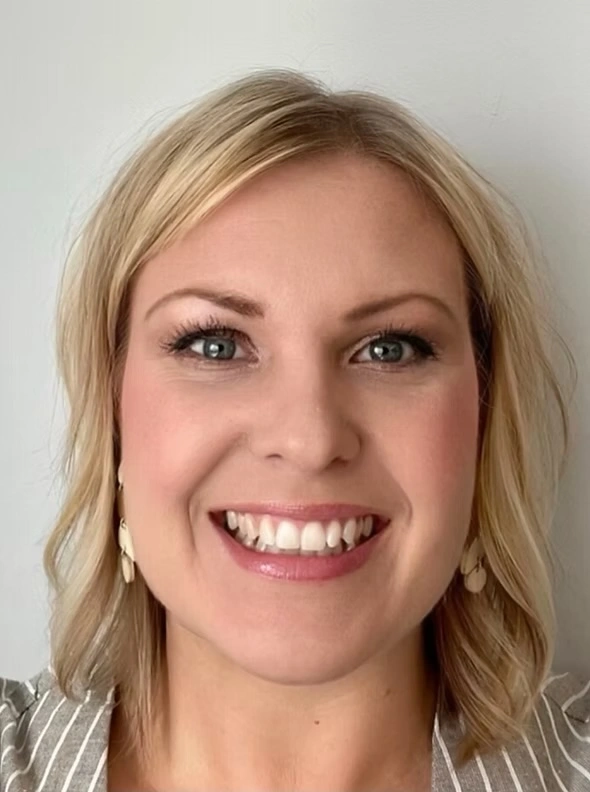
Kaena is the founder of Red Blind Media, a digital marketing agency that has developed a specialty working with music schools across North America.
Season 1
|
Episode 19
What’s Working in Music School Marketing — Kaena Miller on Ads, Creative, and Optimizing Your Budget
In this episode of the Performing Arts School Entrepreneur Podcast, host David Martin sits down with Kaena Miller. Kaena is the founder of Red Blind Media, a digital marketing agency that has developed a specialty working with music schools across North America.
What started as a COVID-era project quickly grew into a full-time agency, and Kaena brings a rare, data-backed perspective on what's actually driving enrollment growth today: which ad channels are working, what creative performs, how to measure results, and what most school owners are getting wrong when it comes to their websites.
Kaena Miller
Kaena is the founder of Red Blind Media, a digital marketing agency that has developed a specialty working with music schools across North America.
Watch the Full Episode
Show Notes
This episode features a practical conversation with Kaena Miller, founder of Red Blind Media, about the digital marketing strategies that are driving real enrollment results for music schools right now. Host David Martin and Kaena dig into the platforms, creative formats, and budgeting frameworks that Redline has tested across more than a dozen school clients — offering school owners a clear-eyed look at where to invest their marketing dollars and how to evaluate whether those dollars are working.
- Why Google and Meta remain the core channels, and why chasing newer platforms like TikTok rarely pays off for local music schools
- Where to start if your budget is under $1,000 a month, including why Google is the lower-lift entry point and when Meta becomes worth the added investment in creative
- What’s working on Meta right now, from studio tour videos and elevator pitches to always-on offers, and why letting the creative do the targeting outperforms manual audience-building
- The role of offers in driving conversions, and why you should always be running some kind of promo, even if it’s not tied to a holiday or seasonal event
- How to think about cost per lead and customer acquisition cost, including real benchmarks Redline sees across their client base and how to evaluate ROI against student lifetime value
- Why tracking is everything, and why most school owners shouldn’t try to set it up themselves
- The attribution challenge, and how to triangulate between ad platform data, Google Analytics, and simple survey questions to get a clearer picture of what’s actually driving leads
- What makes a high-converting music school website, including the value of real photos, recital videos, and making your offer immediately obvious to a first-time visitor
- The biggest website mistakes Kaena sees, from keyword-heavy walls of text to outdated designs that undermine first impressions before a family ever picks up the phone
Learn how Opus1.io helps performing arts schools grow with confidence: request a demo today.
David Martin (0:43)
Quick word before we start. Look, I’ve been where you are. You got into this business because you love the performing arts and inspiring students. Not because you wanted to be a bookkeeper and a scheduler. When I was scaling my school, Opus One became my secret weapon. Automated billing meant I actually got paid on time, self-booking freed up hours every week and having everything in one system? Game changer. If you’re serious about growing your school without burning out, check out Opus One. You can get a demo on opusone.io or find the link in the show notes. Now, let’s jump into today’s episode.
David Martin (1:18)
Well, Kaena Miller, welcome to the show today. I appreciate you being on here, my friend. We’ve known each other for a number of years and you’ve done some great work in the marketing space with music schools. And so, yeah, thanks for being here.
Kaena Miller (1:32)
Yeah, what’s up, David? Always good to see you. Always good to chat.
David Martin (1:38)
Yeah, yeah. So you’re the founder and the creative lead for Red Blind Media. So you do digital marketing for all different businesses, but you also have kind of put together a little bit of a specialty for music schools. I don’t know, how long has it been now? Because I remember when we first met, was it about five years ago or something?
Kaena Miller (1:58)
Yeah, four or five years ago. Yeah, yeah. I mean, Red Blind, we kind of started this in 2020, a little bit. It was a COVID project that ended up turning into a full-time business. Yeah. So we kind of started up in 2021, started hitting our stride in 2022. So we’ve been going now for a few years. Enough that it’s getting hard to remember what we did in what year.
David Martin (2:23)
Yeah, yeah, yeah, absolutely. So you guys are actually like a marketing agency and you’ve done a lot of work with music schools and you’re continuing to do a lot of work with music schools. So I thought this would be an interesting conversation because there’s a lot of things that are happening in the marketing world. It’s always changing. There’s always emerging trends and different things to be looking out for. So yeah, I really appreciated you coming on just to talk a little bit about some of the things that you guys are seeing as it relates to that. One of the things I really enjoyed about working with you was just kind of more your hands-on approach to working with clients. Sometimes agencies are a little hard to get a hold of. You sort of just have the template that they put you in and there’s not much beyond that. So yeah, I wanted to kind of speak to some of these things. I mean, the first thing, I guess, just from a high-level marketing standpoint, where do you… have there been some big changes in the music school world just in terms of what you’re looking at? I know you guys have a number of clients. What are some of the trends that you’re noticing or has much changed?
Kaena Miller (3:30)
Yeah, I mean, this industry is always changing and the industry just iterates at such a rapid pace. You know, I’m speaking purely about digital marketing and the ad platforms that drive traffic and drive interest and awareness. There’s always new developments to kind of keep abreast of. And I know that there’s maybe like a temptation to always try and figure out what’s the new hot thing that I need to be part of. But honestly, like the bread and butter, which is really meta ads and Google ads, are still like the core channels and the core lead drivers for our client. And you touched on this, we work with over a dozen music schools all over North America. We have a pretty good idea for music schools specifically, like what types of campaigns, what types of marketing activities are really incremental in driving those leads. And so yeah, there is, you know, smaller changes within the ad platforms. I mean, meta is always rolling out new campaign types and Google as well. They’re always piloting new campaign types or changes to their bid structure or their targeting or whatever it is. But at a macro level, no, most of our schools are still spending and getting most of their leads through Google ads and through meta ads.
David Martin (5:01)
So Google and meta, those are the two main drivers in terms of leads and conversions as you’re looking at most of the online spend.
Kaena Miller (5:06)
Yep.
David Martin (5:09)
Okay. That’s interesting. And that really hasn’t changed too much because that’s it’s been that way for quite a long time now.
Kaena Miller (5:17)
Yeah. Yeah. And you know there are platforms like obviously like TikTok over the last few years has gotten really popular but as an advertising platform we really haven’t seen like much success or investment from our peers into TikTok. You know, there’s a, I’ll share a quick visual here. Northbeam is a multi-touch attribution platform. It’s really geared more towards like D2C retail brands versus like small local businesses like music schools. But I think that this data is interesting. They work with so many different businesses that they get tons of data that they’re able to like put together an aggregate and show just, you know, a percentage of spend by channel. And this is, they send out like a weekly newsletter. So you can go ahead and, you know, subscribe to this, but I’ll just share straight from my email inbox, this visual here. And what’s always fascinating is how little all these other channels get from a spend standpoint. So you can kind of see here, Meta for D2C advertisers. So a little bit different than our music schools, but D2C advertisers, 62% of their budgets on Meta, 27% is on Google. And then everything else is just, you know, a couple percentage points.
David Martin (6:31)
Wow.
Kaena Miller (6:33)
Yeah. It’s amazing. Really a duopoly. These two channels drive everything.
David Martin (6:40)
So 62% of all dollars spent is going to Meta in ads and all online.
Kaena Miller (6:46)
Yeah.
David Martin (6:46)
And 27%, 27.5% is going to Google. What’s that third one? I can’t tell.
Kaena Miller (6:53)
Yeah, that’s Axon. That’s AppLovin. So that is a platform that allows you to run your ads in mobile games. So if you like download a game and you play and to get to the next level, you got to watch an ad. AppLovin allows you to access that.
David Martin (7:10)
Interesting.
Kaena Miller (7:10)
Yeah.
David Martin (7:12)
Yeah. So for gaming, well, what’s amazing about this too is I mean, you look at TikTok and some of these other ones, they’re 2%. Yeah, Pinterest. Even YouTube, like I would think YouTube would be a much higher percentage.
Kaena Miller (7:21)
Yeah. I do want to talk about YouTube because I think that is something that has been developing and has been a little bit of an unlock for us over the past year. Because YouTube is managed from within Google’s ad platform, I have a feeling that like some of this spend, this 27% in Google is dollars going to YouTube. It’s just not like broken out into specific campaign types that Northbeam is able to recognize as like a YouTube exclusive. I mean, so many of Google’s campaign types now like P-Max and DemandGen access multiple different kinds of inventory that Google is able to provide, including YouTube. So it may not be an exclusive YouTube campaign, but some of that expense could be going towards YouTube.
David Martin (8:06)
Okay. So you’re saying that YouTube could be a much more significant.
Kaena Miller (8:09)
Yeah. There’s certainly some of this 27% is going to YouTube. This is just YouTube exclusive. But still, I mean, just from the standpoint of like, if that really does pretty much boil it down. If you’re not spending, I mean even in that graphic there, most of it really is meta. Most of it is like, if you’re not advertising on Facebook or if you’re not, or really, if you’re not advertising anywhere and you wanted to know where to spend your first dollar on ads, then I mean, that pretty much says it right there. Like two thirds of all ad spend is going to meta.
David Martin (8:46)
Yeah. And we find for music schools, that ratio is a little bit different. Google has the advantage of being able to serve up location specific ads in Google maps or in any type of search query that will trigger local results. Because music schools are local businesses, most of the time, there’s a pretty big advantage into running like PMACs that allows you to access that local inventory. So for most of our schools, I mean, it’s really interesting. Like we work with over a dozen schools and it’s not always the same for every school. We’ve got some schools that spend a little bit more into meta, somewhere like you saw there like 70, 30 meta Google. Others are it’s flip-flopped. It’s mostly Google. I mean, I’d say it’s close to 50-50 on average.
David Martin (9:33)
Yeah, that’s interesting because, you know, obviously we sold our schools a while ago, but my recollection is that we were spending more on Google or it was about 50-50 with Google.
Kaena Miller (9:42)
Yeah, or like 60-40. Yeah. Yeah. I mean, I’d say for any new music school or any music school that is just getting into advertising, start with Google. It’s a little bit of a lower lift to get up and running. Meta as a platform is much more dependent on creative. So there’s more investment that goes into meta. But from a result standpoint, if you do invest into meta, they certainly can deliver like really excellent results.
David Martin (10:12)
Well, and I think that’s maybe where the challenge is. Like you say, with Google it’s kind of more cut and dry. Like you have your location, you’ve got your headline or whatever, and that’s it. That’s what it’s going to push. But with Facebook, you’ve got the video content, you’ve got the photos. And it’s like, if you don’t have a good message, then that can kind of skew the results. Kind of skews like you really should be getting a better result on Facebook if you actually have a good message, or you have a good video or whatever. And so I think that’s an important distinction, right? So obviously you have to be doing some things well. And that’s kind of my next part. Part of my next question is like, what are you finding on Facebook that’s working for your clients, where you’re actually getting conversions from these ads?
Kaena Miller (11:02)
Yeah, like I said, it’s really dependent on creative and you need like effective creative in order to sell on meta. So meta is really, really great at identifying the right audiences to get your creative in front of. And if you might have been familiar with how Facebook ads worked, three, four, five years ago, you would create these audiences where you would define very specifically, I want to get in front of parents who are in this income level, who live in these zip codes and who have these interests or demographic factors. Now the thing we usually say is we let the creative do the targeting. So when you’re setting up your campaigns, just leave the targeting totally broad, meta’s going to analyze your creative and it’s going to figure out who to serve this to. And meta knows if you’re in market. If you are a parent looking for music schools and you’re doing research, there’s so many data points that that is able to ingest. They’re able to quickly ID you as a you are in market for, for music lessons. So I’m going to start using ads from, you know, all of our advertisers that are running anything adjacent to music lessons. So the specific creative that we see working really well on, on meta, certainly a mix of video and statics, but I would say like start with video that seems to be a little bit more impactful for music schools. And what you really want to do is just give, give your creative a chance to, to introduce your school to your audience. We see like a studio tour type videos do really well where it’s like, you know, we shot one of these with you, David. Hey, you know, here’s our school. Welcome. Let me show you around. Here’s our lobby. Here’s our studio space. Come take a look. You know, it just establishes you as like, Hey, we’re a real business. We’re located right here. And here’s what it looks like. Right. Here’s someone in one of the classrooms taking a lesson right now. So yeah, the studio tour, some sort of like elevator pitch where you as the owner or someone who works at your school really just candidly gets into why your school is better than any of the other options out there. So someone in market for music lessons, why would they choose you versus one of your competitors? So the specific advantages of your school. And then we’ve been doing a little bit more testing around like certain offer based creative. And so I always recommend to all of our schools, like you should always have some kind of offer running. And David, I think you were pretty early on this train that we always want to have some sort of promo, some sort of offer. It doesn’t have to be tied to like a holiday. Like we just came out of black Friday. It doesn’t have to be like a black Friday sale. You can come up with any reason to run some sort of promo. It can just be like whatever. This is the new student promo. And so when you enroll, we’re going to give you your first lesson free or we’re going to give you some sort of gift or goodie bag when you sign up with us. Having that kind of carrot, that incentive for someone to sign up and take lessons with you and make it appealing is always recommended. And it doesn’t have to be like some crazy discount. It could be just something as simple as you get a trial lesson for free or something like that.
David Martin (14:13)
Well, you know what’s so interesting about that, just that very point that you’re making about the offer. In my experience, it’s never what you think. Like the offer, you could be giving away $150 or $200 for free, multiple lessons, bags, merch, all this stuff. And then you test that against another offer where it’s like you said, come in for a free lesson. And it’s like that one could perform better, you know, just through running tests. And that’s one of the things I like about how you guys operate is you do a lot of those A-B tests, which I think is so important. But you never know what the winning offer is going to be until you test it. That’s like one of the, I think the first lessons that everyone should learn about marketing is you have to extract your opinion out of the situation and let the data actually dictate what you’re going to do.
Kaena Miller (15:13)
Yeah. Oh, a hundred percent. And like we’ve been doing this for a while now. And I joke that like I probably shouldn’t ever go to Vegas and make that money because I will always predict like, oh, this one’s going to crush it. And it’s always something different than what I expect. Right. And it just proves that like you shouldn’t make decisions based on assumptions. So you should really test this and let the data drive your decisions.
David Martin (15:38)
Yeah. Yeah, absolutely. I’ve 100% with you on that. I would be horrible in Vegas. So as far as the creative, I think with Facebook, I love that. So studio tours. So just give a studio tour. So even if it’s just like from your phone, you know, or have your teacher or somebody hold the phone while you’re just walking through your school, giving a tour. So those are performing well. Some type of elevator pitch, you know, come up with an offer. If you don’t have one, come up with one and put that in there. So those are the kinds of things you’re finding are working well, consistently well on Facebook.
Kaena Miller (16:12)
Yeah. Yeah. Exactly.
David Martin (16:17)
Interesting. Interesting. So, when it comes to like somebody who’s maybe just getting started out or maybe somebody that doesn’t have the money to necessarily hire an agency or, you know, whatever, like, you know, maybe you’ve got a $500 a month marketing budget or $1,000 a month marketing budget. Where would you suggest that person start? Like where, where, where should that person look to spend those dollars?
Kaena Miller (16:40)
Yeah. I mean, if you’re just starting out and you’re working with a budget of less than a thousand, I’d start on Google. Again, like I mentioned, Meta, we see really good results there with a lot of our schools, but it does require a little bit more investment from that creative production. Whereas Google, it’s very easy to get set up and running with not zero, but less effort, less investment. And once Google is up and running, it’s not totally set it and forget it because you do want to always be optimizing, but Google has put a lot of work into making it really easy for businesses who don’t know anything about online advertising to kind of quickly get campaigns up that are going to be somewhat effective. Yeah. It’s really easy to waste money on Meta if you don’t know what you’re doing or you don’t come up the gate with good creative or you have a bad campaign structure. Google has put a lot of guardrails in place to make it really easy to quickly spin up a campaign that will be at least decently effective. And honestly, if you have $500 to spend, let Google do all of the optimization for you when it comes to figuring out like what keywords to target, what placements to target. If you’re working with a small budget, 500, set up a PMEX campaign. That’s Google’s performance max campaign type. It’s designed to really be a machine learning driven model where you are basically just giving it all of your assets. So here’s a couple of headlines about our school. Here’s a couple of images that show off our school exterior facade, maybe a picture of a studio room. And then Google will take all of your assets and figure out the best places and the best formats to show those advertisements in across all of Google’s surfaces to drive to your, whatever the result is that you define. And that’s like a really key component is making sure that you are optimizing for some sort of conversion event on both Google and Meta. But both those ad platforms, they really need good conversion data in order to optimize properly. And David, that’s always something that we’ve really emphasized is making sure that our tracking is tight and that we are providing those signals back to the ad consoles that they need to get better and optimize those campaigns around.
David Martin (18:56)
Yeah, tracking is everything. Otherwise, the data is really kind of meaningless, right? Like you’re getting people signed up, you’re spending this money. It’s like, oh, I have no idea how effective this campaign actually was because I don’t know where the leads came in from. So how do you coach people to track? Like what are your what’s usually how you kind of help your schools that are that you’re working with track these conversions?
Kaena Miller (19:17)
We don’t coach them to track. We say, please let us. Like I’ve helped so many schools troubleshoot and like honestly, like it’s it’s not easy. It’s it’s complicated. We only are good at this because we’ve been doing this for so long now and we’ve done all the troubleshooting and tracking. I mean, we’ve tried to make it as easy as possible. Like we worked with with Opus One to implement like a whole like Google Tag Manager recipe that school owners can just drag and drop into their Google Tag Manager setup and pick up on the events that Opus is sending whenever someone fills out a lead form or books a trial lesson. But it is complex and complicated. And my advice to music schools is that’s one thing because it is so important. Don’t try to do it yourself. Hire someone who knows what they’re doing to just knock it out for you. It’ll save you a lot of headaches and pain trying to figure all this stuff out.
David Martin (20:16)
Yes, one thing that we I was kind of maniacal about is knowing where the lead was coming from when they would call in or when they would message in. And here’s the thing. Sometimes people will say, hey, I’m from Facebook. Right. But then they also saw a newspaper ad or they also talked to a mom down the street or whatever or at school. So what I would say is what was the last thing that caused them to pull the trigger? That’s the one that we’re going to give credit to. Right. And so that’s that that was sort of how we did it, how we coached it. It wasn’t 100 percent like I don’t think anyone could do 100 percent perfect tracking. But you do the best you can. And I think it’s important to to build that into either your lead form. Like, how did you hear about us? And then even you could do a dropdown with options. But but you have to have that right. Like you have to have that because otherwise you don’t know where where the big money maker’s channel is coming from.
Kaena Miller (21:15)
Yeah. Yeah. Attribution is always gray. You will see different data depending on if you’re looking at your conversion data within the ad platforms in meta and Google ads. A lot of our schools have Google Analytics set up that’ll tell you a slightly different story because that’s all based on like click tracking. And then your survey data, what you were just explaining, David, will probably tell another story. And so it’ll never be perfect and will never be exact. But hopefully you are looking at all those data points and trying to both figure out like what is driving the awareness down through what is driving action. And what we see is it’s always get perfect attribution or perfect tracking. But what we see is it is important to invest in those awareness tactics because it does lead to people signing up with your school and ultimately converting, even if it comes through a different channel ultimately. And that gets into like kind of some of the stuff that we do with like our DTC retail brands where we’re able to run like much more statistically sound like geo holdout tests across like the entire United States. It’s kind of hard to do for a music school, but take the learnings like you should be investing in. And this is another kind of emphasis on why you should be on meta, even though you may not see like quite as much from a result standpoint as you might on Google, meta drives the awareness. And so, you know, someone who is maybe thinking about music schools or doing that research, they may not immediately find you on Google unless they’re doing a specific search, but they’re certainly scrolling Instagram and you want to be in front of them when they’re kind of thinking about that. And they’re starting to get to the place where they’re ready to make a decision and, you know, enroll in classes.
David Martin (23:07)
Right, right. So once you kind of have some way of tracking and determining where they’re coming in, how do you measure or what would you say is a good cost per lead? Right. So if I’m putting 100 bucks into this channel, how many leads am I going to get out of it or even cost per enrollment? Yeah. And how do you walk schools through that?
Kaena Miller (23:25)
Yeah. So those are really good questions. And there’s a couple different ways to answer this. Average school that we work with, we typically see cost per lead anywhere between like $50 to $150. And generally that is a very profitable cost per lead, depending on if they come through like a lead form or if that lead is like something that’s a little bit more of a commitment, basically like signing up for a trial lesson. You’re able to convert like a pretty good percentage of those leads. And so our customer acquisition cost, how much does it cost to acquire like a full-time enrolled student? Average CAC is probably somewhere around $500.
David Martin (24:10)
Okay.
Kaena Miller (24:11)
For most schools, someone enrolls as a full-time student. They’re there for at least six months. A lot of schools have students that have been with them for two, three, four years. As these kids get better and better, they stick with that music school. That’s thousands of dollars over the lifetime of a student. So when you’re trying to think about that from a return on an ad investment standpoint, $500 to acquire a student that’s going to be worth $4,000 over the lifetime of that student. Usually for most schools, that equation makes sense. And we like to challenge our schools. And this is something that I think a lot of schools who haven’t really been actively advertising, they kind of struggle with this concept. You should have a cost per lead, like upper limit, that if you have growth goals and you have the capacity to support this and you have the cash flow to invest in this, there shouldn’t really be an upper limit to your monthly budget. You should let your cost per lead targets drive how much you’re spending into advertising. I’m going to share a little visual here that helps kind of explain this a little bit better. So you will generally see, and this is super true for music schools because you have a very limited available market. Usually it’s like a five mile radius around your school. And as you start to extend past that, it gets harder and harder to convince someone that they’re going to make the drive to your school. So as you invest more and more dollars into advertising to your target market, efficiency will start to go down and the cost per lead will creep up over time. That’s why it’s important to kind of figure out what your target cost per lead is because at a certain point, then you will exceed that target cost per lead. And that’s your signal to, hey, we’ve kind of saturated the market. We’re getting leads now that are a little bit too expensive or more than what we want to pay for leads. And now we kind of push it back down. And so that’s that sweet spot. That’s what we’re trying to find in this sort of efficiency curve here. You should if you have growth goals and you have the cash to support it, you should be spending indefinitely until you hit that cost per lead maximum.
David Martin (26:32)
Interesting. Yeah. Yeah. Because it’s really the cost per lead. I mean, once you get the lead, if you have a conversion process, which everybody should, right, like a follow up system and getting people to sign up, then it’s really just a matter of getting the leads and measuring the amount of money that you’re going to spend to acquire that lead. Because if you’re, like I said, if you’ve got a conversion process, then it’s like, well, we got, you know, 40 leads this month. So I can reliably assume that at a, you know, 50% conversion, we’re going to get 20 new students to sign up from that. So you really can back up that math. That’s really interesting. So are you saying that around $100? I think that’s what that graphic said at the cost per lead, that’s that starts, it starts to become an inefficient cost.
Kaena Miller (27:21)
Yeah. I mean, that graph was just an example. It’s a little bit different for every school based on like what their OpEx is and what their conversion rate is from a lead to a full-time enrolled student. What sort of like lifetime tenure do you have? We have a conversion value calculator on our website that you can plug in all of those values and try to figure out what your ideal cost per lead is and what that theoretical maximum should be.
David Martin (27:45)
Oh, that’s really cool. Yeah. So that which kind of leads me into my next question, and maybe this is the answer, but what numbers should a music school be really watching as it relates to their marketing? What are some of those critical metrics that as a music school owner, they should be paying attention to?
Kaena Miller (28:06)
Yeah, I mean, at the end of the day, there are so many metrics and vanity metrics that you can look at that ultimately don’t matter. The only real metrics that matter are how much are you spending and how many students are you gaining through these paid channels? But those are your core metrics at the end of the day. And within that, you know, you have soft metrics like engagement, like clicks and click through rate. And that can, you will want to pay attention to those when you’re trying to optimize within the ad platforms, but those are all secondary to ultimately like what we were just talking about, like, how much are you spending and how many students are you acquiring? And does this support your growth goals?
David Martin (28:45)
Yeah, yeah. And would you say, like, is there a ratio that you’re finding, like, if a school spends, oh, I don’t know, $2,000 a month on marketing, they’re gonna, on average, get about 20, 25 students? Like, is there?
Kaena Miller (29:05)
Yeah, I mean, most of the schools that we work with will generally start talking to us when they’re around that, like, 150 to 200 student mark, because they come to us because they’re like, okay, we’ve kind of tapped out from an organic growth standpoint, like, how do we continue to grow and scale our school? And most schools would serve a, you know, five mile radius around their studio space. We usually recommend starting with like a $3,000 a month ad budget. As a starting point, you will generally see for $3,000 a month, like we were just talking about average cost per lead, somewhere between $50 and $150, and you’re closing a certain percentage of those leads. That’s usually somewhere between like 10 and 15 new students a month for $3,000. That’s a, I don’t want to speak in absolutes, like, that’s a broad range. We have some schools that are getting between five and 10 new students a month at that rate. And we’ve got some schools that are getting 20 plus students a month, but it’s usually between, you know, 10 to 15 students for like a $3,000 ad spend. And then, you know, depending on what market you’re in, like, if you are like in the heart of the city where there’s like a denser population center, there’s a larger target market that you can go after. Like, we’ve got a school in Arizona that’s, you know, at a thousand students, because they’re in a dense metro area, and they’re able to, you know, support like a much larger school and much larger growth goals. And so you can spend more if you are in that type of situation.
David Martin (30:34)
You know, we’ve been talking about growth strategies, and I want to share something I wish I’d known earlier in my journey. You can’t scale yourself. You can only scale systems. When I implemented Opus 1 in my school, it was like flipping a switch. All those hours I spent on admin tasks, billing, scheduling, parent communications, suddenly happened automatically. That freed me up to focus on hiring great teachers, opening new locations, and actually coaching my team. That’s how I went from running a school to building a business. If you’re ready to make that shift, Opus 1 is where I’d start. Book a demo at opus1.io or through the link in the show notes. Alright, back to today’s episode.
David Martin (31:14)
Once you start to get to that scaling, like you said, around 200 students, that part where you want to scale and you need help, extra help with your marketing, another issue gets sort of arises, which is churn. And so you always have to stay ahead of churn. And usually our industry, like you’re doing well, if you’re at or below 5% churn rate each month, so you’re dropping 5%, which means you have to get at least 5% new enrollments in order to break even, so to speak. So at the at the 200 student mark, you got to be getting at least 10 students, right just to keep your school from actually going down in enrollment. And so I think that’s all the more reason to ramp up your marketing to be more aggressive so that you can not just get a 5% enrollment rate each month, but at least I would say at least eight to 10% enrollment rate. So you can grow.
Kaena Miller (32:14)
Yeah. And you’ve probably experienced this, but that churn is not consistent through the year, there’s seasonal periods where churn really starts to like hurt a little bit more, and other periods where it’s a little bit softer. I think we hear from most of our schools that like that June start of summer churn is always really tough because people are taking a break for the summer and then they’re going to do another things we’ll see in September. Yeah, we, this is interesting. We actually pulled together data from across all of our music schools and looked at when kind of peak seasonality is for capturing new leads. And this shouldn’t be surprising to anyone watching this, any of your schools, like January being the peak month. What is interesting is how much higher January is than any other month. And then we knew that like August, September, there’s kind of that back to school, like we’ll get a pretty decent amount of new leads here. This surprised us that May was like a sneaky good month. And I think that you do have a lot of turn in May and June, but then you also, because you’ve got students leaving because they have summer plans, you probably also have students joining because they have summer plans. And so this is something that we’ve, over just the last year, we started working with their schools to be a lot more deliberate about their messaging around May and June and really going after people who are looking for essentially something to do during the summer. I mean, David, you’ve got kids. I’ve got some young kids. If the other parents are out there or in the same boat as us, like summer comes and they’re scared because their kids aren’t in school. And they’re like, I got to figure out something to do with these kids. This is a really great time to kind of market to those parents who are looking to commit to something for the summer.
David Martin (34:03)
So there’s really three spikes during the year. That is really interesting. There’s the obvious January spike, which we all cash in on. And then you have the back to school spike. But there’s a third spike, which is right before summer.
Kaena Miller (34:16)
Yeah. Right before the start of summer, which like you said, usually that gets overshadowed by churn because you’re so focused on not losing the students.
David Martin (34:25)
But that’s interesting. Yeah. From April to May. Interesting. Wow. From the standpoint of you know, obviously you’ve observed a lot of music schools. What are some of the big mistakes that you’re finding schools are making as it relates to their marketing or just some common misconceptions?
Kaena Miller (34:46)
I mean, we already kind of touched on it. It’s just being scared to invest because they don’t trust that like that investment is going to generate students for them. And that I totally get that like as a small business owner, it can be like hard to commit dollars to something that you’re not like absolutely positive is going to work. But I think if you haven’t been advertising or if you’ve been burned before by working with, you know, maybe agencies that are not doing good work, my recommendation is start small. But then as you start to trust that the data coming in supports like, Hey, we’re hitting growth goals, we’re getting leads under our cost per lead target. I’d say one of the biggest misses that a lot of our schools still struggle with is not being ready to capitalize on the demand and on the interest that are at those peak seasonal moments throughout the year that we were just showing. So like, you know, we’re recording this mid December, we’re having these conversations right now with all of our schools like, Hey, January is coming, we know there’s gonna be a huge demand spike, figure out like what the maximum amount you would be willing to pay for a lead is and let’s get ready to like step on the gas because we know it’s going to be big in January.
David Martin (35:58)
Right? Yeah. That’s one of the biggest challenges. Just again, speaking about schools that have growth goals, some schools because they may have a capacity issue, and they’re just trying to kind of match churn. And the strategy is totally different for a school like that. But a school is actually looking to grow, you should be ready to capitalize and spend in those peak seasonal moments and then pull back in the months that aren’t super huge.
David Martin (36:24)
You know, I think when you look at a budget, and you know, this is a business owner that you know, you have all your different expenses, right? You line item all your and marketing is one of those line items, right on the budget. And sometimes it can be easy to slip into like, I can’t spend more than 8% or 10% of my, you know, my gross. But one thing that really helped me was thinking of the year as a whole. So like, let’s say for example, my marketing budget is 10%. And let’s say just for the easy easy math 500,000 total revenue for the whole year. That means I got $50,000 for the whole year to spend. Now, I mean, and you could use that graph that graph is gold, by the way. Yeah, because you can literally predict. I mean, our industry is so predictable, like every year is basically the same.
Kaena Miller (37:15)
Your marketing budget should look like this. It shouldn’t be flat.
David Martin (37:18)
Exactly. That’s exactly right. So if you take that graph right there, and you say this is my marketing budget as a percentage of $50,000. Now you can say, Oh, in January, I’m going to spend like, I don’t know, 15 grand or 70. I’m going to spend a lot of money in January. Because I mean, the results are in and it’s never really probably ever going to change. Like, it’s always going to be that way. So you can reliably know that if you follow historical data, and you have your marketing budget, you can overspend on January, because in some of the other months, you’re going to, you know, have a much lower marketing budget, knowing that the fish just aren’t biting during that time of the year.
Kaena Miller (38:02)
Yeah. Exactly.
David Martin (38:03)
And so that no, that is very, very helpful, I think for anybody to really understand, like you need to be spending during the big months. And you know, just from a in general, you need to be spending on marketing, you know, that’s, I think most people probably listening to this, most people would are already kind of on board with that plan. But it is always surprising to me how how there’s still school owners out there that that refuse to spend.
Kaena Miller (38:27)
Yeah, it shouldn’t be a question of if you’re investing in marketing, it should just be a question of how much what is that threshold? What is your cost per lead target? What is your customer acquisition costs? And you should be spending up until those those points.
David Martin (38:40)
Do you have any schools that maybe they say, Hey, Kaena, we’re doing a great job with leads, but we’re just not able to convert.
Kaena Miller (38:48)
Yeah, I mean, that comes up a lot. And sometimes it is seasonal, like we’re getting a lot of look, you lose right now. And we’re getting a lot of leads that are just, you know, kind of sniffing around, but they’re not really biting. That’s something that like, we have to rely on the school owners to kind of give us that feedback so that we know like, okay, hey, leads aren’t converting quite as much, maybe we should lower kind of our cost per lead targets or our ROAS targets a little bit. And our advice to the school owners, when they kind of come to us with that is, you know, we’re going to do some things on our end to maybe try and go after prospects that are a little bit more of a higher quality. And something that we’ll do on our side to sort of address that is most of our schools that we work with use Opus One and allow their leads to self enroll in either some sort of trial lesson or like discounted first lesson or just sign up for lessons. And so if we’re encountering a lot of like, look you lose or people who are filling out like a lead form, but then aren’t responding when they get called or they’re not responding to emails, we’ll shift our ad tactics and push people and instead of trying to push prospects to fill out a lead form, we’re going to push people to self enroll and sign up right then and there. Because that’s going to give you a higher quality lead, you may get less people signing up, but the quality is going to be higher and ultimately you’re going to close more. And then we encourage our schools to like, hey, all those people that filled out this lead form, you’re unable to convert them, keep them on your email list. It might not be the right time of year, hit them in January, keep at them with your email marketing campaigns.
David Martin (40:34)
Yeah. Follow up is a critical part of the process for sure. That’s interesting. So sometimes you’ll actually just redirect the where they land, which is basically sign up now. You can sign up right this moment on your own. If somebody or a school is having a hard time with their conversion, their nurture sequence, whatever their process is.
Kaena Miller (40:54)
Yeah. Exactly.
David Martin (40:58)
Do you have a kill switch on a campaign? Like, is there a point at which you say this is just not working? Like how much money will you dump into an ad or a campaign before it’s like, or do you guys just have, because I know you’ve tested a lot of these already. So when you bring in a school and you’re doing work for them, you’ve already got like templates that you’re plugging in from the years of working with schools. But is there a point at which you just decide this isn’t working. We got to pivot at the broad campaign level?
Kaena Miller (41:28)
Almost never. No, because what we’ll do is, is again, like the target should drive the budget. If we’re not hitting targets, the budget should just come down naturally. And so it’s never a kill. It’s just a, hey, if we’re not, if we’re not able to get leads at $200 at this ad spend level, like let’s, let’s drop the ad spend. And at some point, like you’ll get more and more efficient as you pull back. Cause if you’re, if your ad campaigns are optimizing for a conversion, the lowest hanging fruit are at the bottom. Those are the easiest to get. So your first $500 is going to go a lot further than the next 500 and the next 500 and the next 500. So you should be able to pull back to a point where then you are running profitable ads. So at the campaign level, we’ll never necessarily kill a whole campaign just cause it’s not a target. Just pull back from a creative standpoint on meta. We will look at, and this is super counterintuitive for a lot of schools that we talk to. Like when, when do you kill a specific ad that’s not performing well? The way that we like to set up our campaigns is we try to include as many ads as possible in one campaign, one ad set. As long as like they’re talking about the same thing, if we have like a specific offer, that might be a different campaign, but most of our like evergreen ads, for example, we want all those to be in one campaign. And what we’ll find is some specific ads in that campaign may not show a lot of conversions attributed to that ad, but if it has a lot of spend, we won’t kill it because that’s a signal to us that this ad is a top of funnel ad and this is drawing awareness and people are going to watch this and they may not click on it and they may not pull the trigger and sign up with you right then and there. But another ad in that campaign may be the more bottom of funnel ad that are going to encourage people to take action. And so when we evaluate like performance at the ad level, so I’m talking exclusively about meta here, we will very rarely kill an ad because it doesn’t show high conversion rate. We will kill ads because it’s not getting spent. And that’s just, that’s a really kind of strange way of thinking about it if you’re not used to thinking about it this way. But the takeaway here is that meta knows what is ultimately going to push people through the funnel and what will ultimately get people to convert. And a lot of times it takes a little bit of nurturing. It takes them seeing those studio tours, those elevator pitches, and then they may not pull the trigger right then and there, but they’ll come through via another ad. So evaluate your overall performance at the campaign level, only cut an ad if it’s not going to spend.
David Martin (44:16)
Last question. This is a huge, huge topic. So I’m going to boil this down, maybe give me the top three things. Website is, we haven’t even touched on website yet. So website’s super important. What would you say are the top three things you love to see on a website when you’re looking at school owners’ websites?
Kaena Miller (44:34)
Photos, visuals, just make, don’t use stock photos, use real photos, show off your studio space. Just make it like really like stupidly obvious that this is like a real place that people can go to and people can visit. Our best school, our best like highest converting landing page, this school has a video on their landing page that shows like one of the recital of all their students like participating. And it’s like a vocal recital. So they’re all singing. And it’s just showing all their students having such a good time that like it is so infectious. Like you can’t not watch that video and not be like stoked and be like, “Man, I want to join this. This place looks awesome.” And so yeah, photos, videos, like rich media, show people what they can expect when they come to your school. I know you asked me for three things that that’s kind of the one and two. And then like the third thing is just, I guess third and fourth thing, two things. Make it really obvious what this is and like what your offer is. A lot of times like I will encounter schools that it’s not like really obvious that they offer private lessons. They’ll talk about all this adjacent stuff, but just like really try to think through this like clearly, keep it simple, keep it succinct, like make sure that it’s really stupidly obvious that you are in music school offering private lessons or group lessons. And then the last thing is give people just a super clear, easy path to sign up and convert. Don’t be afraid to put like eight buttons all over your page, like sign up, sign up, sign up.
David Martin (46:18)
And flip side of that, what are the three worst things that you see people doing? It doesn’t have to be three, but just what are the worst things that you get when you look at a website that just they just don’t get it. What are you finding?
Kaena Miller (46:32)
Too much text. I see some school owners will go heavy on like the SEO and they’ll have like paragraphs and paragraphs of text. Like no one reads all that stuff. And I know that it’s like maybe good for rankings, but like honestly, like the content on the site, like for a local business is not, I mean, it is important. It’s not that critical for SEO. Focus more on your Google reviews. And now I’m getting more into the positives again, what you should be doing and what schools that do things well. Focus on Google reviews, focus on building up that authority in your local community. That’s going to help you weigh more than like keyword stuffing or like keyword dumping on a website. I mean, outside of that, just like, and this is hard for schools because they’re small and they’re resource limited, but we see some schools with like just ugly ass websites. It doesn’t need to be pretty. Like if it’s functional, like great, like it’ll probably work, but this is people’s first impression of your school. And if you’re really asking people to like trust you and like, Hey, like get you excited about like enrolling, like an ugly website is not a good first impression. And so spend a little bit of time on it. Honestly, there’s so many platforms now, like like Wix allows you to generate an entire website off of one AI prompt. Like you can just type in what you want your website to be. And like, you will get a website and it’ll look great. There’s no reason you should be on like some weebly site from 2018. That’s just like ugly and, and doesn’t look modern. Doesn’t look professional. It’s the barrier to entry to having a nice website has never been easier. It’s so easy to get a nice looking website now.
David Martin (48:11)
Love it. Okay. Now how do people get a hold of you if they want to work with your company?
Kaena Miller (48:14)
Yeah. redblindmedia.com. We have a, we have a little inquiry form. You can drop us a line there. Just email us. Hello at redblindmedia.com.
David Martin (48:25)
Awesome. And you’ve done a lot of great work with music schools. You’ve, like I said, I love your approach. It’s very tactical and technical and it’s worked for me really, really well. So I’ve recommended you for a number of years.
Kaena Miller (48:40)
Thanks, David. Hopefully we can circle back around and talk more about this stuff. But yeah, thanks for being on today. It’s always a pleasure.
David Martin (48:46)
Always a pleasure. Cool.
Kaena Miller (48:48)
Thanks, David.