Introduction: Modernizing the World of Music Education
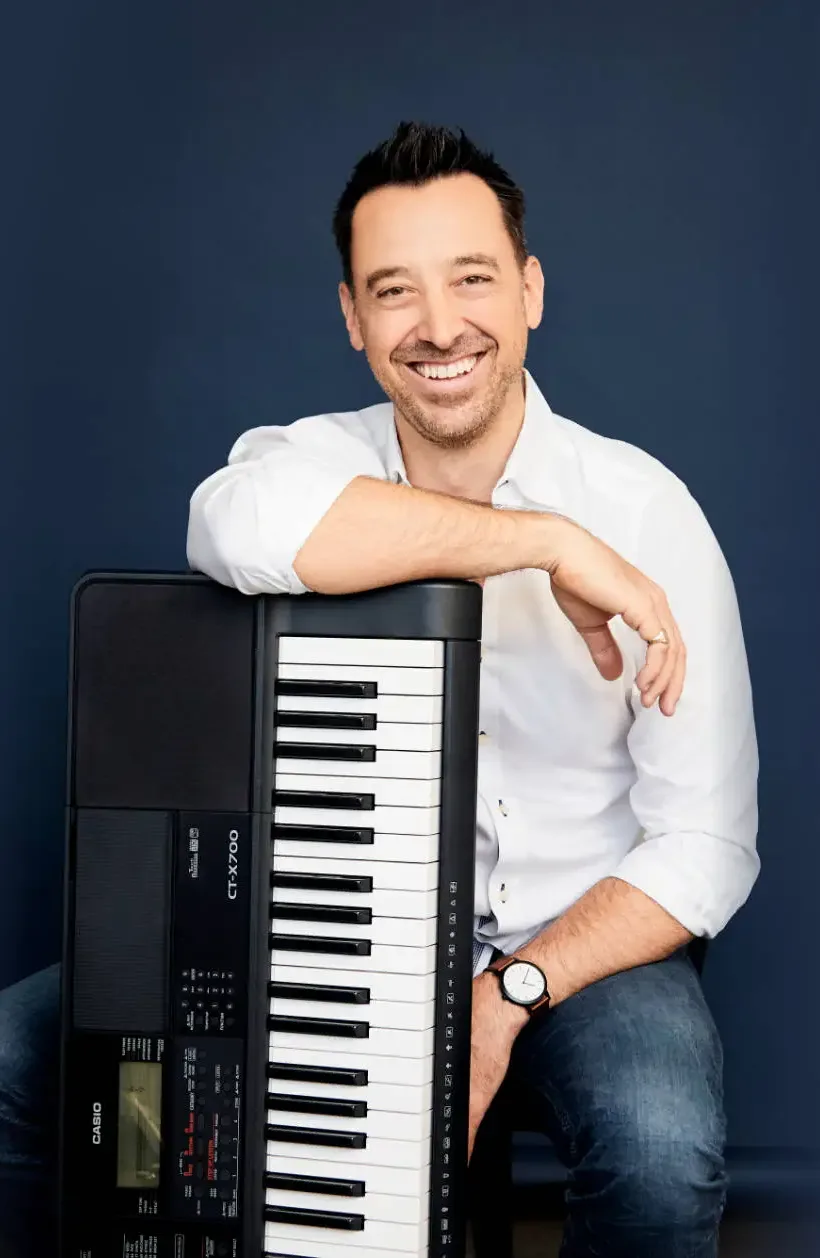
Host (David Martin): Tim Topham, welcome to the program. It’s a pleasure to have you here. Tim is the founder and director of Top Music Co, a major resource platform for music teachers—especially piano teachers. He combines pedagogy, business marketing, tech, and creativity. He is also the author of No Book Beginners, a book that advocates for an approach to beginner piano that delays traditional notation in favor of “sound before symbol.” Tim is an international speaker and runs Top Music Pro, a membership program for music educators. Tim, you are everywhere!
Guest (Tim Topham): It’s a pleasure to connect, David. It’s funny—there is only one other Tim Topham that comes up on Google; he’s also in Australia, but he runs a mining company called Top Drill. So there’s me with Top Music and him with Top Drilling!
Common Misconceptions in Music Teaching
Host (David Martin): I love your focus on the creative and student-centered aspects of teaching. What are some of the biggest misconceptions music educators carry into their careers?
Guest (Tim Topham): The biggest misconception is that we should teach exactly how we were taught. Many of us come to music teaching without formal qualifications—which is fine—but we default to out-of-date strategies. Research, technology, and families have all shifted in the last 10 to 15 years. We see teachers who have taught for 30 years throwing up their hands because their old methods aren’t working anymore and students are dropping off.
The Shift to Student-Centered Curriculum
Host (David Martin): Piano teaching is an old profession—about 200 years old. What specific strategies need updating?
Guest (Tim Topham): Traditionally, the teacher was the “oracle”—the wise person who filled the student’s bucket with knowledge. It was a one-size-fits-all approach: the same method book and the same pieces for every student. Today, students want autonomy and choice. Self-determination theory tells us that autonomy deepens motivation. A good teacher today walks a fine line: we don’t just follow every whim of the student, but we don’t direct every single step either. We align the student’s goals with our educational goals.
Combating Shorter Attention Spans with Quick Wins
Host (David Martin): How much of this is affected by the shorter attention spans caused by technology?
Guest (Tim Topham): A huge amount. Teachers are often exasperated that students don’t understand the effort required to get good at something. Since we can’t easily correct the shorter attention span, we have to go with the flow by providing “quick wins”—milestones that only take a few weeks to achieve—alongside longer-term projects.
The “No Book Beginners” Philosophy
Host (David Martin): Your book asks: “What would piano lessons be like if we didn’t teach reading in lesson one?” So, what do you teach?
Guest (Tim Topham): Most teachers over 30 were taught reading in the first or second lesson. If you suggest doing more fun, musical things like building rapport, singing, rhythm, and improvising, most teachers agree they should do it, but they don’t know how. My book and course lay out 10 weeks of creative lesson plans. Teachers can use the whole framework or just dive in for a few weeks. When you allow kids to be creative and imaginative, they build curiosity. We’ve had teachers tell us that parents actually complain because they can’t stop their kids from playing the piano!
Improving Student Retention Through Deep Understanding
Host (David Martin): Is student retention tied to having flexibility in the lesson experience?
Guest (Tim Topham): Definitely. I call it an “integrated approach.” If a student only reads music, they only have a “tip of the iceberg” understanding. If you teach them chords, harmony, and how music is put together, they form better connections. They might hear a song on Spotify and realize it has the same chord progression as a Beethoven piece they played. That deep understanding improves the chances of them sticking around.
Guest (Tim Topham): Milestones are also critical. If you are too flexible, students lose sight of their goals. Performance opportunities are second to none for retention, especially when students get excited about the theme for next year.
Educating Parents on the Modern Approach
Host (David Martin): Parents can sometimes undercut this approach because they expect their kids to be counting aloud or playing scales for 10 minutes a day. How do you manage that?
Guest (Tim Topham): We have to remind parents why their child is enrolled. Most parents want their child to have a love of music for a lifetime. I tell them, “I am the most experienced person regarding music education in this relationship. To get to that lifetime love, we don’t need to force exams down their throat if the child is miserable.”
Guest (Tim Topham): Another win for onboarding is to give parents an iPad and headphones in the first lesson with a video of you explaining the studio’s passion and expectations. They are often just scrolling on their phones anyway, so let’s ensure they understand our studio’s “why.”
The “Buddy Week” Strategy
Host (David Martin): Tell me about “Buddy Week.” How does that work?
Guest (Tim Topham): It is so much fun. Students get physical invitations to bring a friend to a lesson. We create a specific lesson plan involving “rhythm cups” and a popular song with a simple hook. We don’t talk about the grand staff or middle C. We want the guest to have a quick win. In the last few minutes, the parents come in and record the kids playing along to the actual song on YouTube. It’s impressive for a parent to see their kid learn a song in 25 minutes.
Common Business Mistakes in Music Studios
Host (David Martin): What are the most common business mistakes you see music studio owners making?
Guest (Tim Topham): Relying solely on word of mouth. It’s the best marketing, but it’s unreliable. If you move or something unexpected happens, it dries up. You need a backup plan. I also see a lot of “1990s-style” websites that talk way too much about the teacher. Parents want to know what’s in it for their child—how cool of a rock star or classical musician are you going to make them?
Guest (Tim Topham): It also comes down to vision. Teachers struggle because they don’t have a shared vision. Your vision should dictate your fonts, your logo, and how your studio feels.
Contending with the AI Revolution
Host (David Martin): How is the education landscape changing, especially with the rise of AI?
Guest (Tim Topham): There is a lot of overwhelm now. In 2015, there were maybe two piano teacher podcasts; now there are 30. People wonder if ChatGPT can teach them as well as a course. However, AI still can’t show teaching in action. That’s why seeing a teacher teach—being a “fly on the wall”—remains one of the best ways to learn.
Secrets of Successful Music Studios: Systems and Software
Host (David Martin): What are the most successful members in your Top Music Pro organization doing?
Guest (Tim Topham): They use software to remove the admin burden. It “bamboozles” me that teachers in this day and age are still writing physical invoices and collecting checks. There is an opportunity cost to that hour of mundane admin—it’s time lost with your family or planning better lessons.
Guest (Tim Topham): Successful teachers have systems for attracting and onboarding students. When a student clicks “book a trial,” there should be an automated calendar link and follow-up emails. This frees up the teacher’s brain space to focus on the actual teaching, which is what drives retention.
Conclusion and Resources
Host (David Martin): Tim, your book No Book Beginners is a must-read. How can people join your membership?
Guest (Tim Topham): You can find the book on Amazon, and it includes access to a website with videos of me teaching those lessons. For the membership, listeners can go to topmusic.co/free-trial to get a 14-day trial for just $1. We also offer a multi-tier membership for studio owners to assign to multiple teachers.
Host (David Martin): Tim, thank you for being on here. Keep at it—you are killing it.
Guest (Tim Topham): Thanks, David! I really enjoyed it.