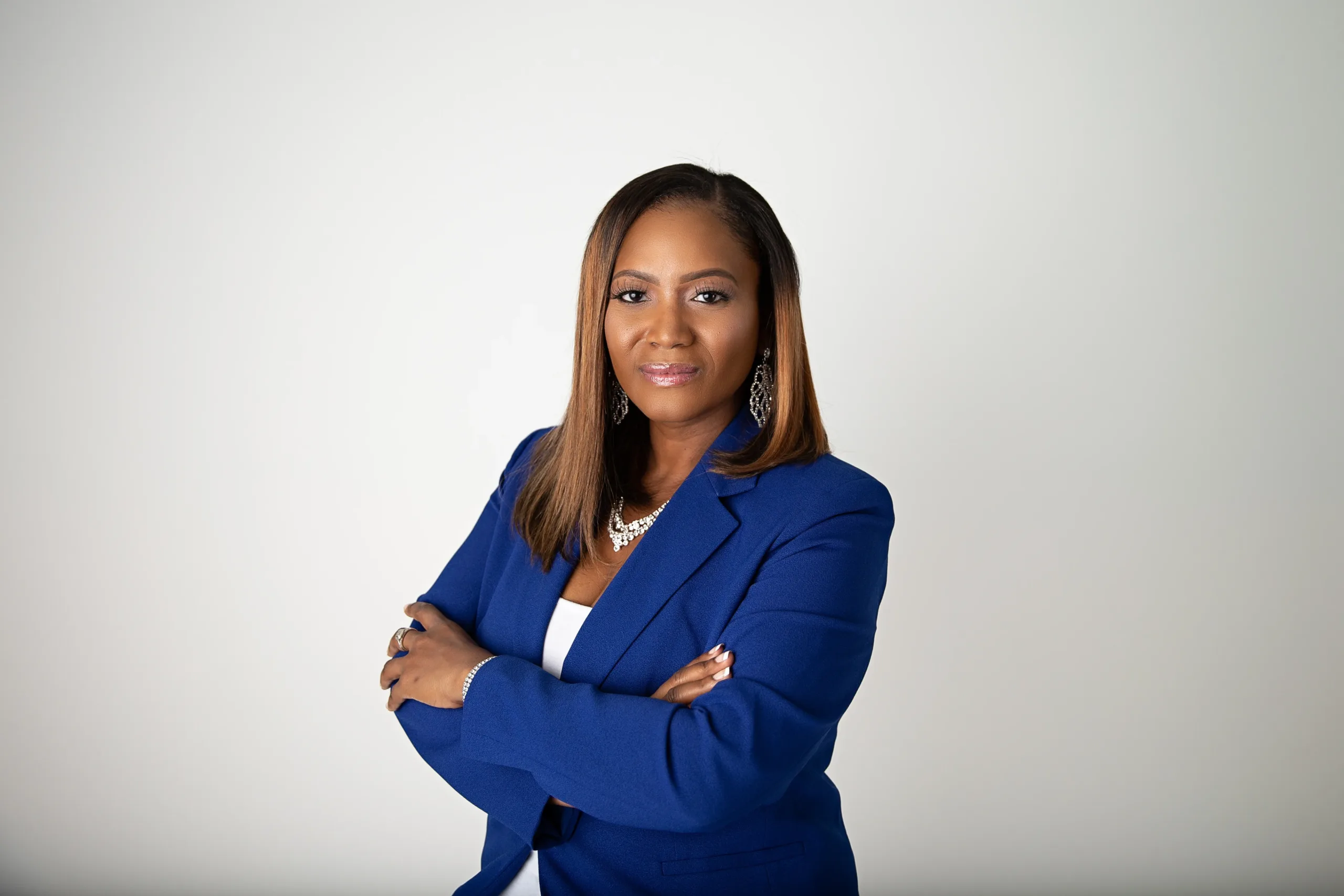
Dr. Talonda Thomas
Dr. Thomas is the Founder of New York Musician Center, scaling to 1,100+ students and expanding nationally.
Season 1
|
Episode 10
Reinvention, Resilience & Rapid Growth: Dr. Talonda Thomas on Scaling the New York Musician Center to 1,100 Students
In this episode of the Performing Arts School Entrepreneur Podcast, host David Martin sits down with Dr. Talonda Thomas — founder of the New York Musician Center, one of Long Island’s largest and most decorated music schools, now serving over 1,100 students and preparing for national franchise expansion.
Dr. Talonda Thomas
Dr. Thomas is the Founder of New York Musician Center, scaling to 1,100+ students and expanding nationally.
Watch the Full Episode
Show Notes
This episode features an energizing conversation with Dr. Talonda Thomas, founder of the New York Musician Center, about how she grew a once-small studio into one of Long Island’s largest music schools serving over 1,100 students and is now preparing for national franchise expansion. Host David Martin and Dr. Thomas dig into the entrepreneurial instincts, resilience, and strategic pivots that supported rapid growth, explored not just as a series of tactics but as part of a leadership journey that blends heart, discipline, and vision.
- Starting from nothing and building a powerhouse, including signing her first lease with zero students and learning to grow through relationships and reputation
- Turning early missteps into systems that last, including how she navigated financial and operational challenges on the path to sustained expansion
- Leading through disruption and crisis, from COVID-19 shutdowns to staffing challenges and even unexpected regulatory hurdles
- Cultivating culture and loyalty, with insights into building a team where teachers stay, grow, and contribute meaningfully to the school’s mission
- Franchise-ready thinking, including what it takes to translate a successful local school into a scalable, repeatable model without losing the essence of the brand
Together, these ideas present a blueprint for resilient, strategic growth that goes beyond mere enrollment numbers — showing how intentional decisions, adaptability, and a clear mission can turn a local performing arts school into a major player with long-term impact.
Welcome + Guest Introduction
00:00:48 — David: Dr. Talonda Thomas, so good to have you on the show. We’ve been friends a long, long time, and I was so happy when you agreed to be on the show today.
00:00:59 — Dr. Thomas: Thank you so much for having me. I’m very excited to even be invited and on this platform to share it with you. So thanks.
00:01:05 — David: You founded the New York Musician Center in 2006, transforming it from a small home studio into one of Long Island’s leading music schools. You announced the first franchise location in Levittown, marking a major step toward national expansion.
You’ve created structured teacher training and mentorship programs that improved retention. You’ve received multiple Best of Long Island awards for outstanding music education and community impact. You’ve been featured on major media outlets including local news and educational podcasts, sharing insights on music entrepreneurship and arts leadership.
00:01:56 — David: You’ve been so active in this industry, and I’m so privileged to have you on here. Tell me—when you started your school, did you buy into the industry? Or did you start from the ground up?
Starting From the Ground Up
00:02:15 — Dr. Thomas: This was definitely a started-from-the-ground-up story. I came to New York City to finish my internship, and I thought I was going to be a public school teacher—which I did spend a good part of my career doing.
But when I got here, I found out that apparently you have to make money to eat and pay New York City rent.
00:02:40 — Dr. Thomas: I thought, “What do I know how to do or what can I sell?” And I knew music. So I started teaching lessons from my Queens, New York apartment to feed myself and my son.
00:02:52 — Dr. Thomas: Then we ended up going into the Boys and Girls Clubs and teaching music there.
00:03:10 — Dr. Thomas: I continued working in the public schools as a music teacher and music administrator. Then one day desperation kicked in—they told me if the budget didn’t pass, I was low seniority and could lose my job.
00:03:24 — Dr. Thomas: Long story short, I ran out and got a lease for a building not knowing what the heck I was doing, and opened up that way.
00:03:36 — Dr. Thomas: We started in this building we’re at right now with no students—zero students—zero know-how. And now we have over 1,100 students who come every week. It’s been a heck of a journey.
00:03:48 — David: Wow. That’s amazing. You signed a lease with no know-how and no students.
00:03:55 — Dr. Thomas: Nope. Kind of crazy.
Desperation → Inspiration
00:04:01 — David: I love that you said “desperation.” How often do the biggest things in our life happen because we have to make a move?
00:04:12 — Dr. Thomas: That’s what they say—desperation leads to inspiration. And I was inspired, alright. Inspired to not be unemployed.
00:04:24 — Dr. Thomas: But the joke was on me. I didn’t get let go. The budget passed. So then I ended up with a full-time job and a business at the same time.
Musical Background + Early Mentors
00:04:38 — David: What’s your instrument?
00:04:46 — Dr. Thomas: Piano was my primary instrument, although I’m a singer. I taught chorus for many years and I taught piano.
00:05:02 — David: Did you take lessons as a kid?
00:05:09 — Dr. Thomas: I sang in the church choir when I was younger. I come from a family of people who love to sing.
00:05:16 — Dr. Thomas: The lady across the street was the neighborhood piano teacher. I think she was charging like 10 bucks a lesson—just unreal. I got so lucky. Her name is Rosemary Reed, and she’s the whole reason why I’m here.
00:05:34 — David: What was it about her that inspired you?
00:05:39 — Dr. Thomas: She didn’t take crap. Sweet, but no excuses. “Did you practice? Show me the progress.” She was adamant about excellence.
00:06:06 — Dr. Thomas: If we don’t have something, let’s refine it. Keep trying to make it better.
Family + Finding Identity Through Music
00:06:47 — Dr. Thomas: I have two older sisters. They kept quitting lessons, so my father almost didn’t let me take piano.
00:07:52 — David: Did either of your parents play music?
00:08:06 — Dr. Thomas: My mother still sings. She’s actually a student at my school.
00:08:23 — Dr. Thomas: Access to music in school was extremely important. I was a bad kid—always getting into trouble. I had my son in my junior year of high school.
00:08:44 — Dr. Thomas: Music and sports were my thing, but I couldn’t do sports pregnant. I could still be in chorus.
00:08:58 — Dr. Thomas: Music was the one thing that stayed consistent for me. I believe because of the music teachers in my life, I graduated high school early, went to college, brought my son with me, studied music… and it stuck.
“Find Your Tribe”
00:09:57 — Dr. Thomas: When I had my son, people either flocked to help or shunned me.
00:10:16 — Dr. Thomas: That’s when I figured out: I need to find my tribe—my people. The ones who want to see me win. Sadly, there are people who don’t want you to win, and that’s okay—but you have to find your tribe.
Starting the Business at 21
00:11:20 — Dr. Thomas: I started my company at 21. A friend told me, “You have to start a business, an LLC.” I thought she was crazy.
00:11:45 — Dr. Thomas: Next fall we’ll be celebrating 20 years since the company was founded.
Early Growth: Referrals + Scrubbing Toilets
00:12:09 — David: You signed the lease with no students… how did you get it going?
00:12:17 — Dr. Thomas: It was slow to start. I had some students from the public schools who trusted me. We relied heavily on referrals until I learned marketing.
00:12:36 — Dr. Thomas: I had to bring in help to run the desk because I couldn’t do that with a full-time job.
00:12:55 — Dr. Thomas: The first person was a friend—a mom from the football team. God bless her.
00:13:02 — Dr. Thomas: She might have been unorthodox. I’ll never forget seeing her brushing her teeth in the lobby.
00:13:21 — Dr. Thomas: During my lunch break from work, I would run to the school scrubbing toilets. But you do what you’ve got to do.
00:13:42 — Dr. Thomas: I hired colleagues from music education, and student teachers who needed jobs. They introduced me to friends. We grew organically.
Investing in Yourself as a Business Owner
00:14:59 — David: When did you realize you needed to develop yourself as a business owner?
00:15:05 — Dr. Thomas: Probably about six months in. Pretty quickly. I’m not going to go broke for long.
00:15:31 — Dr. Thomas: I started expanding my network, finding mentors, learning from other industries—because business is business.
00:16:06 — Dr. Thomas: We’re all dealing with people, processes, and refining things.
Leadership + Culture (Even as an Introvert)
00:17:40 — Dr. Thomas: It’s a challenge to build relationships if you’re not in the business every day. I’m still trying to get better at it.
00:18:08 — Dr. Thomas: Yesterday my front desk person said, “We get so much energy from you—can teachers get the same thing from you?”
00:18:33 — Dr. Thomas: I’m extremely introverted. You’d never know. Put me in a room with people I don’t know, and I’m looking for one person I recognize and standing next to them.
00:18:52 — Dr. Thomas: But if you’re genuine and positive—and you have to be as a business owner—it makes a big difference.
00:19:32 — Dr. Thomas: I don’t do the hiring now. My general manager conducts interviews and knows our core values. Do they live our values? Are they the right people?
Teacher Community + Retention
00:20:10 — Dr. Thomas: I want more events where we can spend time as a team. When you get 60 teachers, it’s harder.
00:20:29 — Dr. Thomas: At our holiday party, one teacher brought his twin brother. He learned to love the brand and now works for us too.
00:21:04 — David: People are naturally community-oriented. They may come for the paycheck, but they stay for the community.
Business Challenges + Crisis Stories
1) Debt + Bad Loan Advice
00:22:29 — Dr. Thomas: I don’t come from big money. When we started growing quickly, I was self-funded.
00:22:55 — Dr. Thomas: I took bad advice and got a loan to expand. Hard money loans, factor loans… crazy rates. You dig yourself in.
00:23:33 — Dr. Thomas: We got to a point where we were paying over $20,000 per month in loan payments. It was crazy.
00:23:54 — Dr. Thomas: Luckily we saw ourselves out of it. But for a lot of business owners, that would have put them out of business.
2) COVID Shutdown → Reopening → Fire Marshal Shutdown
00:24:13 — Dr. Thomas: During COVID, we had to put 700 students on Zoom overnight.
00:24:37 — Dr. Thomas: We reopened—we were allowed to open—and I’ll never forget the day the town fire marshal came in and said, “You guys opened too soon. We got a complaint.”
00:24:49 — Dr. Thomas: In the middle of lessons, they shut down the building. We had to send everybody out.
00:25:08 — Dr. Thomas: The next day they felt stupid because I said, “How come we can’t be open, but all these other music schools are open?”
00:25:13 — Dr. Thomas: They let us reopen a day or two later. But reputation-wise, you think: the damage is done.
3) Teachers Dating → Restraining Orders
00:25:52 — Dr. Thomas: We had teachers who were dating and it went very, very wrong. Restraining orders… all sorts of things.
00:26:04 — Dr. Thomas: How do you run a music school when teachers have restraining orders against each other?
00:26:25 — Dr. Thomas: It kind of self-resolved. It’s a little fresh.
00:26:36 — Dr. Thomas: One arrest led to another arrest. It kept spiraling.
00:26:54 — Dr. Thomas: One of them had the most students out of all teachers—beloved, great person. Both stellar teachers.
00:27:13 — Dr. Thomas: Then you have to replace them quickly, do damage control with students.
00:27:19 — Dr. Thomas: I take it personally when students lose a teacher. A child may never play guitar again because of the experience.
00:27:43 — Dr. Thomas: My own kids studied music here, and they both stopped taking lessons the day their teacher stopped. I understood it on the parent side.
Perspective: “It Could Be Worse”
00:28:01 — Dr. Thomas: I’m always learning it could be so much worse.
00:28:07 — Dr. Thomas: I heard the founder of RE/MAX tell stories about how the mafia tried to kill him and take away his company.
00:28:20 — Dr. Thomas: I’m like, “Okay, nobody has tried to kill me just yet. The mafia has not tried to take away my music school.”
Mentorship + Coaches Who Shaped Her
00:29:25 — Dr. Thomas: I’ve had so many mentors.
00:29:43 — Dr. Thomas: Amry Hudley Simmons was my first true mentor. She “voluntold” me into growth.
00:30:07 — Dr. Thomas: She’d call me to run concerts and then say 30 minutes before: “I’m not going to be there. You’re going to run this.”
00:30:31 — Dr. Thomas: Right now I’m doing coaching with Shannon Wilburn and also with the president of Great Clips.
00:30:51 — Dr. Thomas: It’s important for us to turn around and mentor our people. You have to build your bench. It won’t be you forever.
Advice for Owners Who Can’t Afford Coaching Yet
00:32:26 — Dr. Thomas: I wouldn’t grow faster. I’d grow smarter.
00:32:43 — Dr. Thomas: Some of the people with the greatest knowledge do it for free. Successful people want to teach you.
00:33:18 — Dr. Thomas: Find the three people you have to meet in the room and make it your business to connect.
00:33:36 — Dr. Thomas: Go to the Chamber of Commerce. Find people who have been doing it a long time. They want to give you information.
00:34:00 — Dr. Thomas: Fast is slow and slow is fast. If you grow fast, you grow the wrong way and it slows you down. If you grow slow, you go fast.
Franchising the New York Musician Center
00:34:25 — David: Now you’re franchising. Tell me about it.
00:34:44 — Dr. Thomas: Franchising gets me so excited.
00:35:04 — Dr. Thomas: I started getting emails saying, “We think you should franchise.” I didn’t respond at first. I was too busy in the trenches.
00:35:56 — Dr. Thomas: I didn’t realize I was laying the framework for franchising for a long time. I was systemizing everything.
00:36:23 — Dr. Thomas: It took about a year to become a franchise. It’s extremely regulated state by state.
00:37:42 — Dr. Thomas: I love franchising because my favorite thing is to teach and mentor. Helping someone build a legacy and change lives at scale—that’s so exciting.
What Franchisees Get
00:38:45 — David: How detailed is it? What do you give them?
00:38:51 — Dr. Thomas: Everything. A full playbook. Down to every paint color, floor finishing, SOPs—every nuance.
00:39:39 — Dr. Thomas: We even stopped selling at one point and went back to work with a professional because there has to be no guesswork.
00:40:10 — Dr. Thomas: If you don’t want to constantly update your processes, you shouldn’t be in franchising.
Who the Ideal Franchise Partner Is
00:40:35 — Dr. Thomas: We’re still learning our avatar.
00:40:47 — Dr. Thomas: Our first franchisee is a husband-and-wife team. The wife is a soon-to-be former employee of mine. Husband is more business-world.
00:41:06 — Dr. Thomas: We also get interest from home teachers running out of space, public educators, business people tired of working for someone else.
00:41:26 — Dr. Thomas: People need capital—between $79,000 and $181,000, depending on where they live.
00:42:08 — Dr. Thomas: I’m not necessarily looking for musicians. I want someone strategic—sales background, great communication, great with people, willing to follow a proven system.
Franchise Risk + Due Diligence
00:45:11 — David: How do you know the systems will work in their town?
00:45:17 — Dr. Thomas: It may not work. But we work with a data-driven partner looking for communities like ours—disposable income, families who value education.
00:45:51 — Dr. Thomas: There’s a dating process. It’s a marriage. You’re going into a contract.
00:46:21 — Dr. Thomas: There’s information in FDDs. People can speak to existing franchisees. There’s a discovery day. It has to be calculated and precise.
Marketing the Franchise
00:51:05 — Dr. Thomas: We have a website: nymcmusicfranchise.com.
00:51:18 — Dr. Thomas: We’re growing organically—letting customers and employees know they can own a business too.
00:51:40 — Dr. Thomas: We do press releases, podcasts, and franchise conferences. We’ll be at the National Franchise Show in January in New Jersey.
Advice for Someone Who’s Stuck
00:53:29 — Dr. Thomas: Get a friend who’s already been successful doing this. Reach out to people. Google the top people. Message them on Facebook or Instagram.
00:53:56 — Dr. Thomas: Successful people want to help you. They don’t want you going through the same hard days without answers.
00:55:05 — Dr. Thomas: The easiest thing now—we all know ChatGPT. You can call 1-800-CHATGPT and ask for five people in your industry to reach out to.
00:56:06 — Dr. Thomas: I reached out to someone once and they didn’t respond. It taught me: that person isn’t one of “my people.” It helps you find your tribe.
“Fearless” + Pressing the Go Button
00:56:38 — David: Was there a single decision that shaped your success?
00:56:49 — Dr. Thomas: It’s a series of decisions—but my single decision I make regularly is pressing the go button and overcoming fear.
00:57:47 — Dr. Thomas: I have a tattoo on my wrist that says “fearless” because I have to remind myself: better is on the other side of fear.
00:58:06 — Dr. Thomas: When you feel fear and paralysis—jump. Do it anyway.
Daily Habits for Focus
00:58:25 — Dr. Thomas: I move my body first thing in the morning. I meditate. I write down goals and affirmations.
00:58:54 — Dr. Thomas: I met Randy Zuckerberg and she said, “Pick three things to focus on for the day.” I live by that.
00:59:19 — Dr. Thomas: I’ve written out my dream day and I read it every day. It has to happen in your mind first before it happens in real life.
Closing
00:59:41 — David: Dr. Dr. Thomas Thomas, you’re an amazing person. One more time—what’s the website?
00:59:53 — Dr. Thomas: nymcmusicfranchise.com — NYMCmusicfranchise.com.
01:00:04 — Dr. Thomas: Check us out if you’re interested in franchising. I love to share information and connect people.
01:00:19 — Dr. Thomas: David, you are the best. I’m so grateful for being on here and sharing this platform with you.
01:00:25 — David: Awesome.