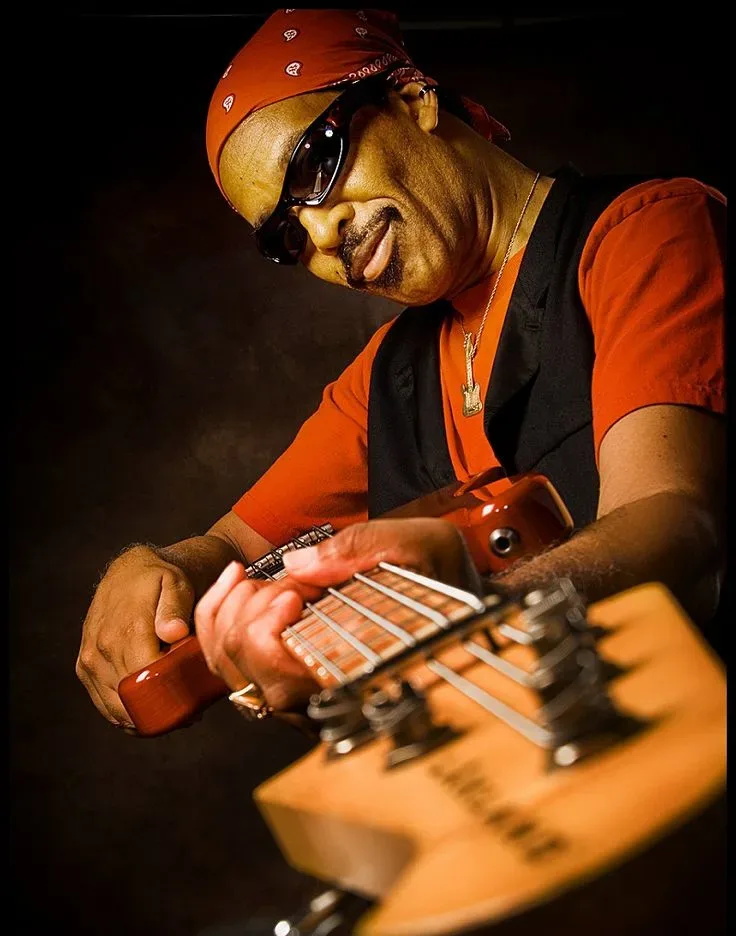
Jonathan Jacobs Headshot

Jonathan Jacobs

Jonathan is the Founder of Rawkstars, Inc., a nonprofit providing free music education to underserved youth.

Season 1

|

Episode 7

Music as a Human Right: Jonathan Jacobs on Building Rawkstars, Inc.

In this episode of the Performing Arts School Entrepreneur Podcast, host David Martin talks with Jonathan Jacobs, founder and executive director of Rawkstars, Inc., a nonprofit that provides free instruments, lessons, and performance opportunities to kids who need them most.
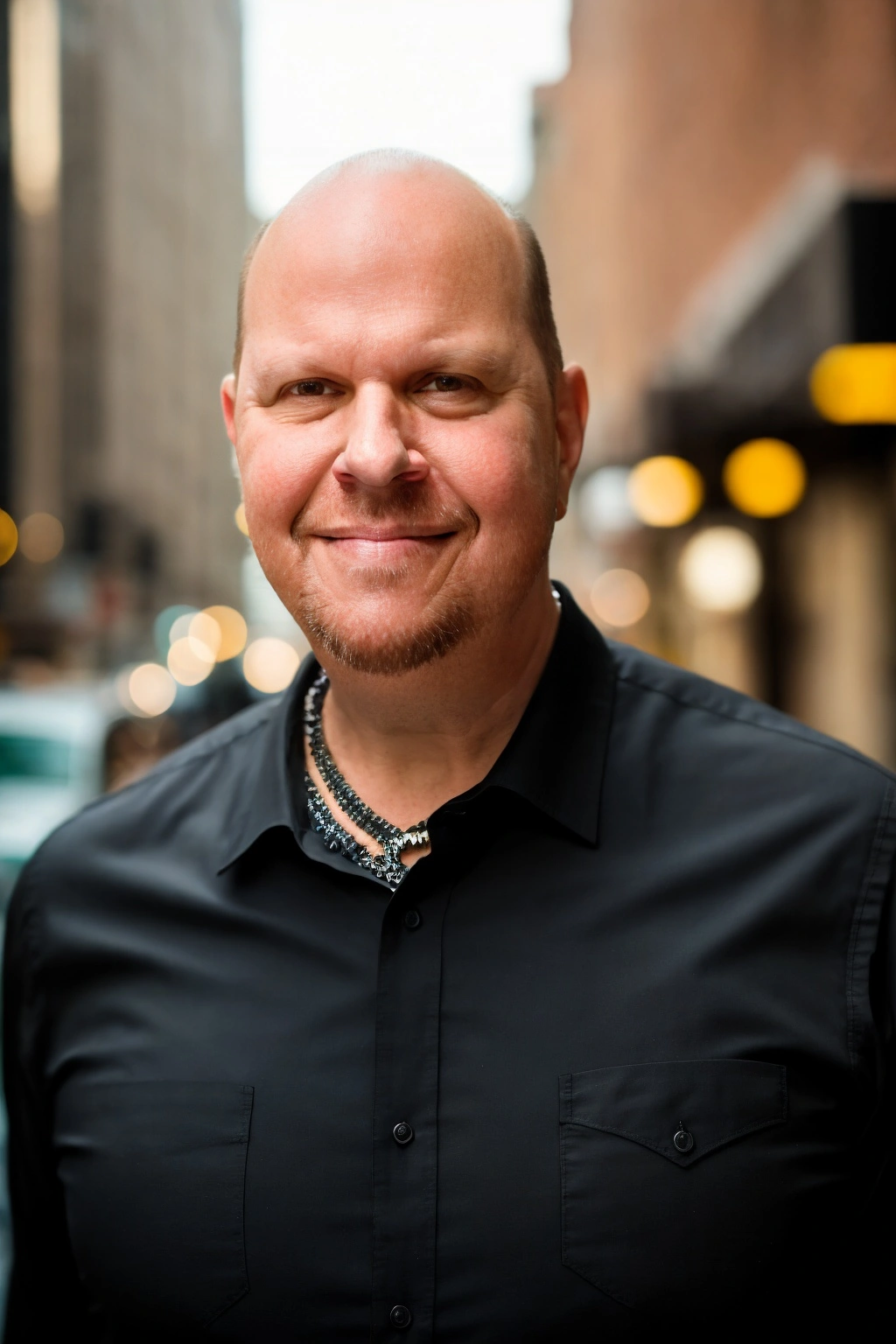
Jonathan Jacobs Headshot

Jonathan Jacobs

Jonathan is the Founder of Rawkstars, Inc., a nonprofit providing free music education to underserved youth.

Watch the Full Episode

Show Notes

This episode features a purpose-driven conversation with Jonathan Jacobs, founder and executive director of Rawkstars, Inc., a nonprofit dedicated to making music education accessible and impactful for young people as a vehicle for life skills and community empowerment. Host David Martin and Jonathan explore how a passion for music and a belief in its transformative power can fuel creative entrepreneurship with social impact, shaping not just educational programs but the lives of the students they reach.

  • The mission of music as a human right, and how Rawkstars uses music education to build confidence, discipline, and opportunity in underserved communities
  • Jonathan’s journey into philanthropy and leadership, including how his own experience in music and technology informed his vision for Rawkstars
  • Building sustainable programs and partnerships, and the philosophy of helping students experience the vision rather than just hear about it
  • Lessons in organizational leadership, from inspiring teams without direct authority to finding purpose-driven work that outlasts traditional career paths
  • The power of integrating passion and professional skills, and how music can be both a teaching tool and a catalyst for broader life success

Together, these themes offer a unique look at how performing arts education can extend beyond the walls of a studio into deep, life-changing impact, making this episode especially compelling for educators, community leaders, and anyone interested in blending purpose with entrepreneurship.
A Philosophy of Music as a Basic Human Right

Host (David Martin): Jonathan Jacobs, it is a pleasure to have you here. Since 2003, you have been the founder and executive director of Rawkstars, Inc.. Your approach is truly unique—you offer free music lessons, free instruments, and performance opportunities. Your philosophy is that music is a basic human right. You’ve given over 12,000 hours of free lessons, served over 400 kids, and raised nearly a million dollars. You were even featured on the Kelly Clarkson Show. What gave you the idea to do all of this for free?

Guest (Jonathan Jacobs): It’s humbling to hear it laid out like that. Rawkstars has always been a mirror of my own life story. It wasn’t something I strategically planned at the beginning; it was based on a program I feel would have helped me as a kid. I grew up in the 70s in a broken home with a bit of a rough upbringing. Music was the one constant for me; it was the one thing I could rely on and it gave me my identity.

When I began Rawkstars as a formal program, the idea of accessibility was front and center. There is an old saying: “Talent is equally distributed, but opportunity is not”. I don’t believe music should be a luxury item only affluent people can afford. Music education benefits everyone, particularly young people, and it should be accessible like clean drinking water or basic healthcare.

Finding Identity in Rock and the Recording Studio

Host (David Martin): How were you first introduced to music?

Guest (Jonathan Jacobs): I was a super fan first. My earliest memories are listening to AM radio in the 70s in the backseat of my parents’ car. Eventually, I found my own identity through rock bands like Kiss and Led Zeppelin. Seeing Gene Simmons in full makeup breathing fire was like reading a comic book about a superhero.

I tried playing guitar and singing in garage bands in my teens, but I quickly realized I wasn’t born with God-given talent, and at the time, I wasn’t a hard worker. However, I eventually went into a recording studio to do a demo, and that was transformational. I met the owner, who was also the sound engineer. Walking into that studio in the 80s was like walking into a cathedral—sacred ground with beautiful architecture and vintage gear. For the first time, I realized I could pursue music as a career without being an accomplished player.

The “Art of Recording” and a Career Pivot

Host (David Martin): That moment turned your life around, didn’t it?

Guest (Jonathan Jacobs): 180 degrees. I went from being lazy and uninterested in a career to being obsessed with figuring out how to make recording happen. Today, anyone can buy a computer and get a free DAW, but in the mid-to-late 80s, the barrier to entry was much higher.

I started devouring a magazine called Mix, which was the bible of the recording industry. I saw a tiny black-and-white ad in the back that said, “Learn the art of recording”. It was for a little school in the middle of nowhere in Ohio. I scraped together money for a bus ticket and spent a couple of months there preparing to become a sound engineer.

The Journey as a Live Sound Engineer

Host (David Martin): Did you become a professional sound engineer after that?

Guest (Jonathan Jacobs): I did. When I returned to Boston, the music scene was thriving with clubs and local bands everywhere. Because I was part of that community, I started getting offers to mix bands live.

That was a completely different animal than the studio. Doing live sound is incredibly hard because there is no rewind button—you are forced to make it work in real time in scary, high-energy situations. It taught me to evolve and think on my feet, which helped me later as an entrepreneur.

The Birth of Rawkstars: From Softball to Philanthropy

Host (David Martin): You started Rawkstars in 2003. What led to that?

Guest (Jonathan Jacobs): I had spent about a dozen years traveling as a sound engineer and tour manager, visiting over 20 countries. In my 30s, I wanted to settle down and get married, and music was starting to feel more like a job. I pivoted my career into tech and became a web developer.

I soon felt a hole in my chest where music used to be. My musician friends and I used to get together for summer softball games. I decided to organize a charity softball game and we raised about $1,500 for the Cam Neely House. It was one of the most joyful memories of my life. It brought so much love out of people that I thought, “Why not create our own nonprofit to fund music for kids?”. That ethos of community and love is still the cornerstone of what we do 22 years later.

A Distributed Model: Leveraging Existing Resources

Host (David Martin): How does Rawkstars operate without a physical building?

Guest (Jonathan Jacobs): We use a fully distributed model. We take advantage of the fact that great music stores and youth facilities already exist. Opening a physical space involves high overhead and limits accessibility. Instead, we partner with music stores in underserved communities where the kids actually live.

We pay existing music teachers at these stores directly to teach our students. It’s a win-win-win: the kids get convenient lessons in a safe space, the teachers grow their careers, and we support small community businesses.

Rawkstars’ Four Signature Programs

Host (David Martin): Can you describe the different programs you offer?

Guest (Jonathan Jacobs): We have four main programs:

  • Rock and Roll (ENROLL): Our original program. We provide a free instrument and free lessons through a local music store.
  • Band Together: We offer turnkey music solutions for community centers like the Boys and Girls Clubs . we bring the teachers, equipment, and curriculum to them.
  • Beats, Bars, and Beyond: We teach music inside youth correctional facilities. These programs focus on hip-hop, music production, and songwriting to help kids express themselves in a positive way.
  • Hustle and Harmony: Our newest program in the public education space. We teach kids how to turn their creative passion into a business—skills like budgeting, taxes, social media marketing, and copyright.

Healing Through Music in Youth Facilities

Host (David Martin): Your work with incarcerated youth is fascinating. How did you get involved in that?

Guest (Jonathan Jacobs): It started before COVID when a social worker at an adult prison reached out to us for instrument donations. It made me think about accessibility—being incarcerated is the ultimate expression of “no access”. When I visited the facility, I realized these guys were just like everyone else—they had made mistakes, but they were hungry for an “unlock” to turn their lives around.

In these facilities, music gives kids agency. They can’t decide what to wear or when to eat, but in music class, they blossom because we let them decide what they want to do. We focus on authenticity and finding instructors who are culturally relevant to them.

The Moment It Crystallized: High School Graduation Inside

Host (David Martin): Is there a specific story that stays with you?

Guest (Jonathan Jacobs): Recently, I was invited to a high school graduation inside the Rhode Island Training School. Seven of the 13 graduates were in our music program, and the valedictorian was one of our musicians.

I sat with the mom of one of the students. People sometimes ask why I invest resources in kids who have done “horrible things”. If they could spend one meal with the mom of an incarcerated youth, they would realize she loves her child just as much as anyone else. Connecting with that mom crystallized the theoretical work into a real, lived experience. That impact is what keeps me going through the ups and downs.

Sustainability and the Communal Funding Model

Host (David Martin): How do you finance a nonprofit where everything is free?

Guest (Jonathan Jacobs): Like any mature business, you need multiple revenue streams. We use four main sources:

  1. Fundraising and Events: Grassroots fundraisers and concerts.
  2. Program Fees: Partnerships with facilities like Boys and Girls Clubs who pay us a fee to run turnkey programs. We keep the price low for them by supplemental grant writing and equipment donations.
  3. The Fan Club: A subscription-based donation model where donors can self-select an amount to give monthly, from $5 to $100.
  4. Grant Writing: We now have a contractor on staff who writes grants monthly.

The “Glow” of the Kelly Clarkson Show

Host (David Martin): You were featured on the Kelly Clarkson Show. How did that affect the organization?

Guest (Jonathan Jacobs): It happened organically—a producer reached out after hearing about us. The vetting process was intense; they did a lot of due diligence to verify our claims. Being on national TV was scary, but once I sat down with Kelly and the Dixie Chicks, it felt like talking to my music friends.

The match gift from Kelly was great, but the notoriety was even better. It gave us a bit of a “glow” and was a moment of pride for the entire Rawkstars community.

Lessons on Perceived Security

Host (David Martin): Looking back over 20 years, what was your toughest moment?

Guest (Jonathan Jacobs): A big turning point was losing my corporate job at Hasbro. I had a comfortable salary and benefits, but getting laid off taught me about “perceived security”.

Many people work a job they don’t love until they can retire to do what they actually want. Losing that job allowed me to pour myself fully into Rawkstars. I realized we are given the gift of life not to eventually get to something, but to do it now. Regardless of whether we lose a grant or can’t enroll a student immediately, I am grateful to spend my time on something so personally meaningful.

Host (David Martin): Jonathan, thank you for sharing your story and for everything you are doing for the industry and the lives of young people.

Guest (Jonathan Jacobs): Thank you, David. Follow your heart and you can’t go wrong.

You may also be interested in: