The Leap from Professional Performance to Business Ownership
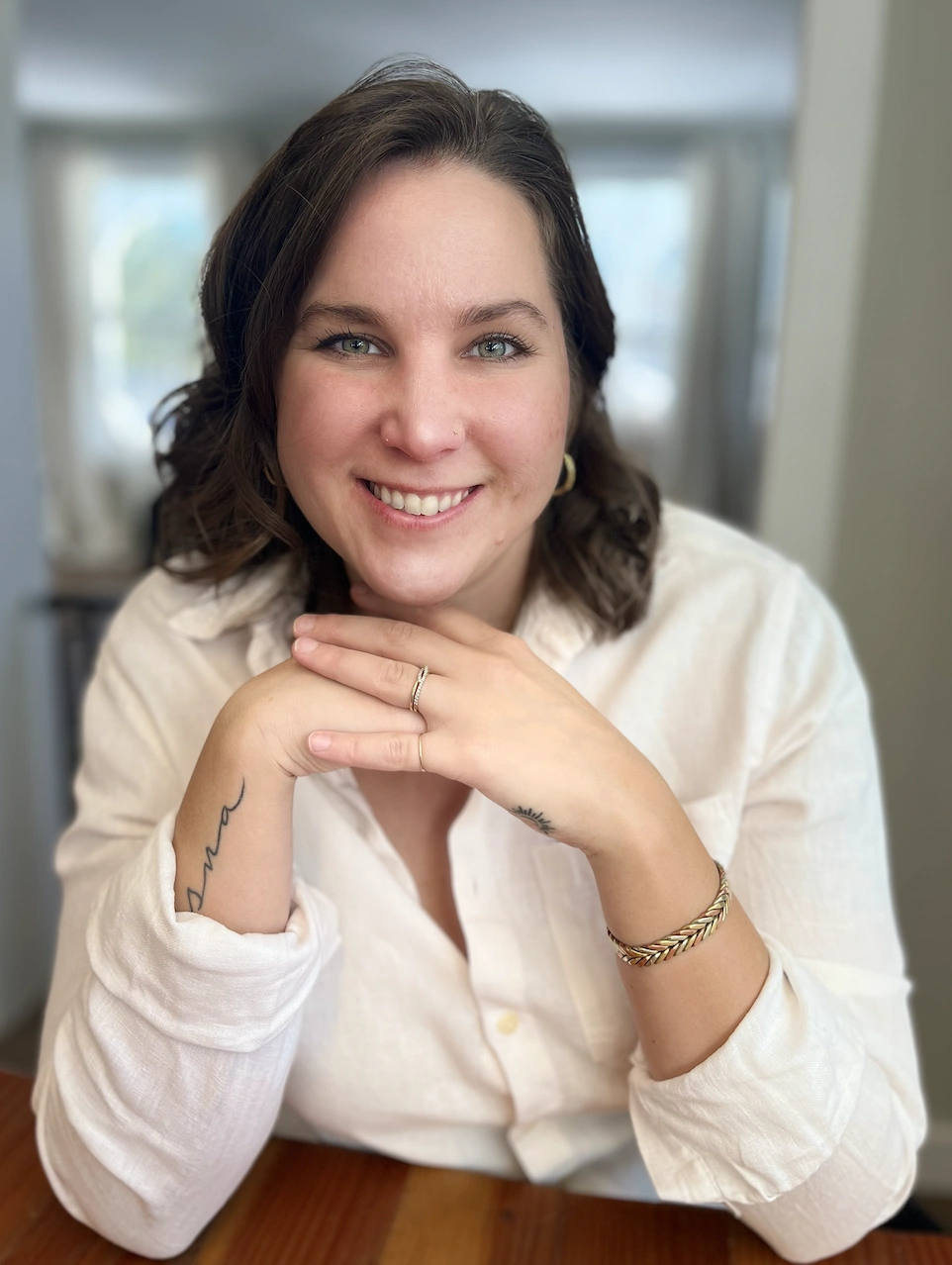
Host (David Martin): Chris and Hannah, it is so good to have you on the show. You have such a cool story, going from professional performers to running Onstage School of Music in Charlotte, North Carolina. Chris, you have a Master’s from Indiana University, and Hannah, you have a performance diploma from Juilliard. You’ve gone from playing in orchestras to running multiple locations with nearly 1,000 students. Did this feel like a straight line, or were there unexpected turns?
Guest (Chris George): It definitely wasn’t a straight line. It just kept compounding—you master one thing and then learn the next, much like learning to play the harp or the French horn. Some things really kicked our butts and we had to figure out how to get over those humps, but we’ve been pretty blessed along the way.
Guest (Hannah George): Right after college, we were doing the orchestra thing, which is especially hard for a harpist since there’s only one in an orchestra and we don’t even play every concert. We were newly married and thinking about how to generate a steady income. Chris was already teaching at home, and we were both working at various music schools in Charlotte six days a week. Then, the owner of one of the schools I worked for emailed me saying she was looking to move away from the business for health reasons and offered it to us.
Taking the Reigns: The “New York” Landlord and 4:00 AM Letters
Host (David Martin): How big was the school when you took it over?
Guest (Chris George): The revenue was about $8,000 a month. After paying teachers and expenses, the profit was maybe $1,500. We didn’t really know what we were doing, but we decided to go for it. I remember staying up until 4:00 in the morning crafting a letter to the landlord to convince him we would be successful. I wish I could find that letter now because I was promising musical expertise, which isn’t actually what makes you succeed in business!
Guest (Chris George): Our landlord, Frank, was from New York and very much like a New York landlord—he was very strong-willed and would tell you about it if the rent wasn’t on time. But he had a sweetheart inside, and for some reason, he believed in us and let us take over the lease.
The Early Grind: Renovations and Starting Over
Host (David Martin): You were newly married—married in May and taking over a school the following January. What was that first year like?
Guest (Chris George): We spent our entire Christmas break renovating. The place was dark and filled with thousands of props and costumes from the previous owner’s theater program. We moved it all to storage and painted the entire place ourselves.
Guest (Hannah George): We also struggled with management. In the first six months, we “killed off”—not literally, but through turnover—a decent amount of the teachers we inherited. They had relationships with the old owner, and we didn’t know anything about leadership. By the end of that first summer, we were down to just one teacher besides ourselves. We taught piano to hundreds of students to keep things going. I remember being impatient and just wanting more students, teaching nonstop from morning until late evening.
Evolution of Hiring: Degrees vs. “Sticky” Teachers
Host (David Martin): How did your approach to finding teachers change as you grew?
Guest (Hannah George): Early on, we looked for degrees. We thought if someone had a doctorate, they must be a great teacher. We didn’t consider how they would interact with a five-year-old piano student who has never played before.
Guest (Chris George): I used to sell the business based on our teachers’ credentials, but that’s not what makes you appeal to the masses. You need teachers who are fun, energetic, and make the kids have a great time, because then the kids will practice and stay longer. We once hired a guitar teacher with a doctorate who was so full of himself and rigid that he went from 30 students to one almost immediately. He eventually resigned via email, claiming the school caused him “mental stress”.
Guest (Hannah George): We now look for “sticky teachers”. We have over 40 teachers now, and while three or four are serious and driven, the rest focus on energy and fun. We’ve learned to hire attitude over aptitude. You can train skill, but you can’t train attitude.
Growing to Nearly 1,000 Students
Host (David Martin): At what point did you break past that initial plateau and hit the 200 or 300 student mark?
Guest (Hannah George): Chris eventually stopped teaching a few days a week to focus purely on sales, marketing, and operations. He used to do admin on notebook paper!
Guest (Chris George): I was at 250 students before I hired my first admin person, which was way too late. I was too safe with the money because I didn’t know enough about the “marketing machine”. We were driving an hour and a half each way to the studio and living at Hannah’s mom’s house to save money. Once we joined coaching in 2020, we learned to understand our numbers—knowing that if I put $100 into advertising, I get $300 back in students—which gave us the leverage to hire and grow.
The Future: Remote Operations and Branding
Host (David Martin): What does the structure look like now with three locations and nearly a thousand students?
Guest (Chris George): We are moving our backend operations and sales to a team in the Philippines. It’s cheaper, there are no payroll taxes, and the work ethic is incredible. This allows our local, on-site staff to focus entirely on the customer experience—handing out reward buttons and welcome folders.
Guest (Chris George): On the ground, we have a “teacher liaison” who manages the staff, sits in on trial lessons, and handles callouts. The goal is to scale the brand. I want people to feel like they are coming to Onstage for a lesson, not just to a specific teacher. Much like taking your car to a trusted company, I want every teacher to be “Onstage certified” to a certain standard.
Host (David Martin): Chris and Hannah, thank you so much for sharing your journey and your heart for your business. It’s been amazing to follow your growth.
Guest (Chris George): Thank you, David.