Introduction: A Life Defined by the Bass
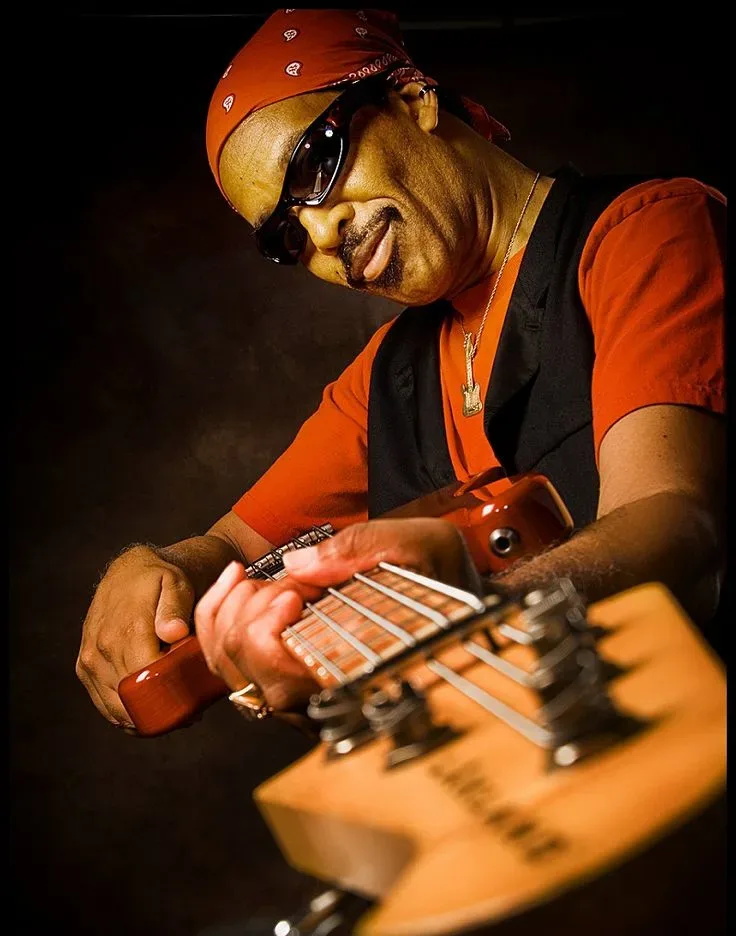
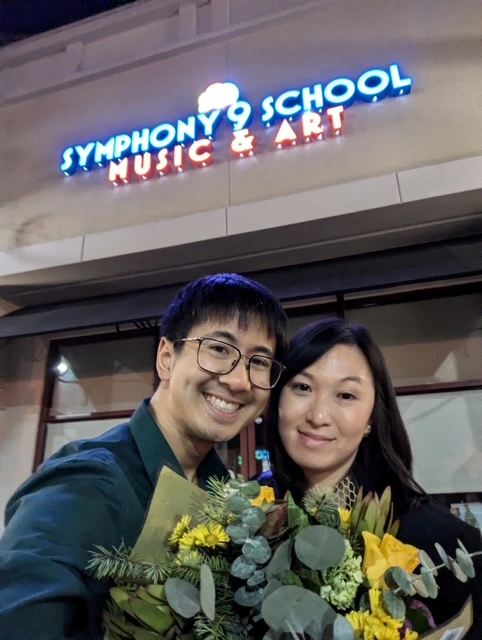
Host (David Martin): Jon E. Gee, thank you so much for being on the podcast today. I admire you on so many fronts. You have been the bass player for John Mellencamp’s band since 1999 and have played on every record since Cuttin’ Heads in 2001. Prior to that, you toured with Ted Nugent in the late 90s and backed up major national acts across multiple genres. You also co-founded the Carmel Music Academy in Indiana with your wife, Sandra, where you teach and mentor rising musicians. You’ve done the full spectrum—from the touring professional to music education.
Guest (Jon E. Gee): It’s a pleasure to see you, David. I’m slowly getting out of teaching now. I’m in my late 60s and I’ve been teaching for over 31 years. I remember being a teenager; if you were 40, you were already half dead to me. I figured teenagers haven’t changed much, so it’s probably time to step aside. But I love watching people “get it.” Nothing gets me as high as being on stage except watching a kid struggle with an instrument and then, one day, start to sound musical. I think I’m the only person in Indiana with former students who are currently in national bands.
The Early Dream and Determination
Host (David Martin): Did you always dream of touring?
Guest (Jon E. Gee): I don’t remember wanting to do anything else. At the time, wanting to play in a big band and tour the world made you the “dumbest individual in the world” to most people. They had no problem telling you that in public. I’d be at the grocery store and strangers would walk up and say, “You guys are those idiots who think you’re going to be stars someday, right?”. I didn’t get their adversarial attitude. My thought was: someone has to do it, so why not me?.
22 Years in the Bars: The Ultimate Education
Host (David Martin): How long were you in bands before you hit the big leagues?
Guest (Jon E. Gee): I spent 22 years in the bars. I tell the young ones that it’s a marathon, not a sprint. Somewhere in the 90s, people started telling kids that bars were beneath them. That is stupid information. Bars are the greatest place to practice because someone is paying you to learn. You learn what you do well, what you don’t, and what people will actually hand you money for. You learn how to handle a crowd, put on a show, and deal with hecklers—all on someone else’s dime.
Landing the Big Gigs: Ted Nugent and John Mellencamp
Host (David Martin): How did you transition from bars to touring with Ted Nugent and John Mellencamp?
Guest (Jon E. Gee): It happens over time through the people you meet. I had a friend who was a tech for Ted Nugent. I met Ted’s bass player at the time, Michael Lutz from Brownsville Station. I jokingly told him, “Hey man, you’ve got my gig”. Later, when they built a studio and Ted needed someone to run it, Michael decided to stay in the studio and told Ted to call “the guy who wanted the gig”.
Literally, Ted called me on the phone. I thought it was a buddy of mine who used to call and prank me by acting like different guitar players, so I told him, “Tony, that’s a good Ted Nugent, man,” and I hung up on him. He called back and gave me a Michigan number to call him back at. When I saw the 517 area code, I realized it was actually Ted Nugent.
Adapting to the Big Stage and Brand Awareness
Host (David Martin): What adjustments did you have to make moving to those massive stages?
Guest (Jon E. Gee): Because I’d been playing bars, dinner theaters, cruise ships, and coffee houses for so long, I already knew how to be on stage. The real adjustment was learning the brand. When you get into a big band, you have to know what the brand is and what you can bring to it to add to it rather than detract. You have to be active in pursuing growth, not just checking boxes.
Backstage Brilliance: The Importance of the Crew
Host (David Martin): What still excites you about performing?
Guest (Jon E. Gee): The crowd and the road guys. The road guys are the best in the world. I tell every band: if your crew sucks, so do you, because they make it happen. People see us on stage and think everything is perfect, but they don’t realize the days of preparation and the brilliance of the techs. They aren’t just grunts; they are some of the smartest people in the world.
The Founding of Carmel Music Academy
Host (David Martin): Why did you decide to open a music school while you were at the top of your game?
Guest (Jon E. Gee): In the late 80s and early 90s, I noticed bands were disappearing from major cities. I thought: people still need to play music; it’s part of our soul. I started teaching in 1994.
Sandra, my wife, was the one who pushed us to do more. She had owned a full-day spa salon and brought the business experience I lacked. She understood hiring and payroll while I just knew how to be a musician. We realized we needed to generate rent year-round, so we started hiring other musicians.
Managing Musicians and Culture
Host (David Martin): Was it hard transitioning from touring musician to employer?
Guest (Jon E. Gee): I had the hardest time with it because I was used to a system where everything moves now—there is no tomorrow. Sandra told me I was “crushing people” because my rock and roll mindset was too black and white. I’ve had to learn to ask teachers what they think and give them more autonomy. If you give them a sense of ownership, they feel like they belong rather than just having a job.
Teaching vs. Playing
Host (David Martin): What surprised you about running an academy?
Guest (Jon E. Gee): Realizing that teaching and playing are two separate arts. I had a teacher who taught me drums as a kid even though he wasn’t a drummer—he just knew music better than me. I’ve since taught students to play piano even though I don’t play piano. The best teachers aren’t necessarily the best players; they are the ones who literally care about the students.
Modern Challenges: Work Ethic and Changing Music
Host (David Martin): What are the biggest challenges you face as a school owner today?
Guest (Jon E. Gee): Teacher retention and consistency at the front desk. I don’t see the work ethic I’m used to. I’ve had people call out at the last minute for a headache; in my world, you’d never do that. I’ve also had to adjust to the fact that music has changed. To me, modern music has been “dumbed down” by machines, which makes it harder to get excited about.
Advice to a 15-Year-Old Self
Host (David Martin): What advice would you give your 15-year-old self starting out on bass?
Guest (Jon E. Gee): Enjoy the ride more. I was too busy trying to be a perfect musician. I haven’t been late for a gig in 58 years, and I’m proud of that, but I should have enjoyed the process more.
The Future: Grandchildren and Music Education
Host (David Martin): Do you think you’ll ever sell the school?
Guest (Jon E. Gee): I don’t know. I’m a grandfather now, and I want to roll on the floor with my grandkids more than I want to deal with business drama. But I still want to get bigger. I want to see a second or third location because music has done so much for me—it kept me out of trouble as a “hothead kid”.
Music broadens your paradigm and lets you see people who are different from you. I’ve met three presidents and played in every state because of music. I think everyone’s life would be enriched if they had the option to pursue it.
Host (David Martin): Jon E. Gee, thank you for sharing your story. You’ve made the world a better place.
Guest (Jon E. Gee): Well, thank you..