Overview
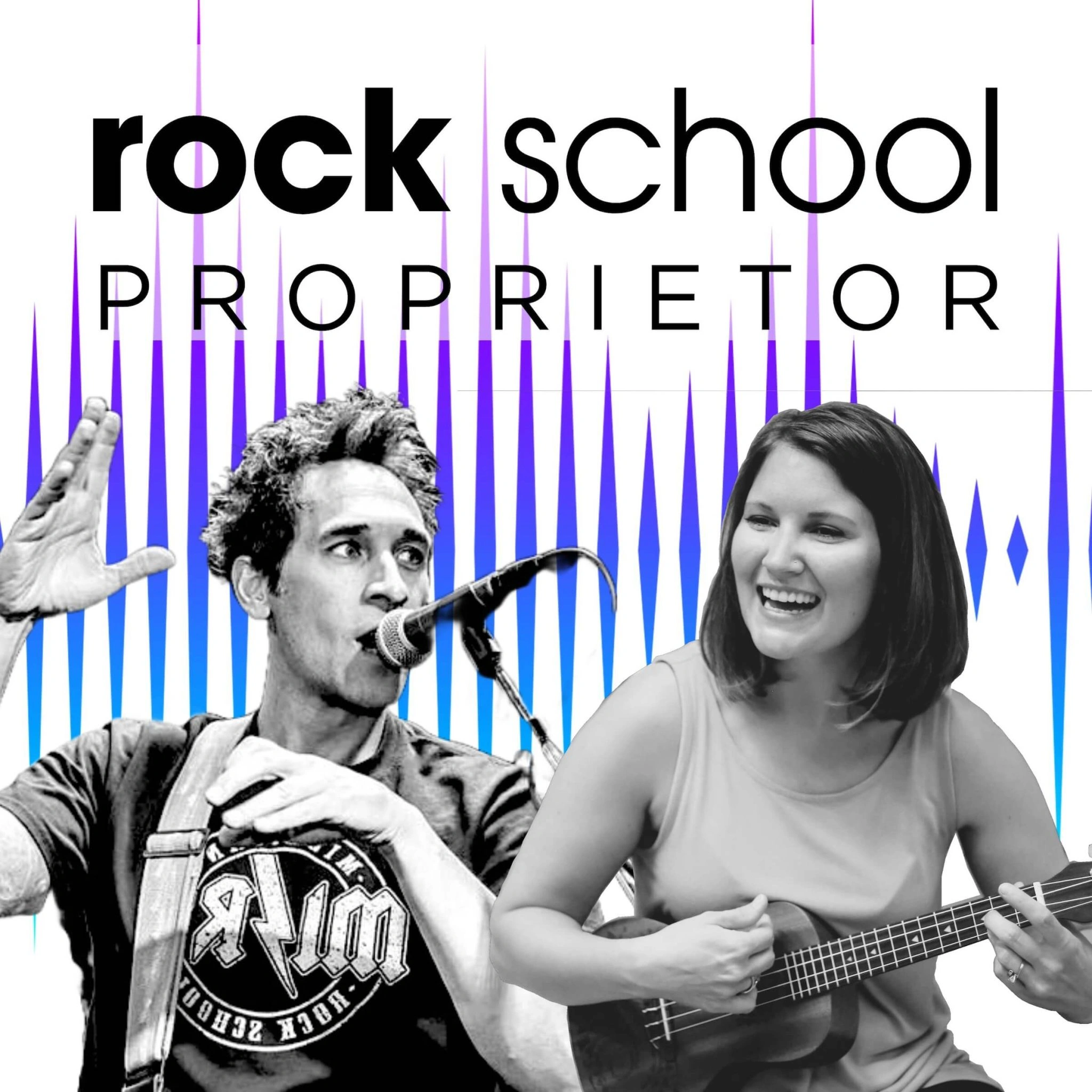
Opus1.io CEO and Founder Sam Lellouche recently joined John Kozicki on the Rock School Proprietor Podcast to share the origin story behind Opus1 and the practical lessons that helped his own school grow from ~100 students to 1,400+ across multiple locations.
If you run a music, dance, or performing arts school, this episode is packed with real-world insights on scaling: reducing admin chaos, building flexible (but sustainable) policies, and using data to make better decisions.
Episode Highlights at a Glance
In the conversation, Sam and John dig into:
- Why most school “systems” break down around 2-4 teachers (and what to do instead)
- How flexible scheduling and makeup policies can boost retention, if they’re automated
- The operational “busywork spiral” that causes admin burnout and turnover
- Why billing + scheduling must be connected to avoid costly mistakes
- What high-performing school owners do differently
The Opus1 Story: Built by School Owners, for School Owners
Sam’s path into the performing arts world started the way many schools do: one passionate teacher (his wife) and a studio that grew faster than the systems behind it.
As the school expanded, they hit the same wall many owners recognize:
- endless reschedules and makeup requests
- staff training that takes forever (and still leads to errors)
- “five Mondays vs. four Mondays” billing headaches
- recital prep that eats whole weekends
- parents expecting modern, self-serve experiences available on mobile devices
After cycling through multiple solutions, Sam made a bold move: he left his VP role in tech to build the platform his school actually needed. Opus1.io launched internally first, then expanded to serve schools globally as the system matured through real customer feedback.
The Scaling Challenge Most Owners Don’t See Until It’s Too Late
One of the most useful takeaways from the episode is this: your school doesn’t become difficult because you’re doing something wrong, it becomes difficult because manual processes don’t scale.
Sam describes a reality every growing school hits:
- A teacher calls out sick → 20 lessons must be canceled → parents must be notified → credits must be issued → schedules must be adjusted
- Snow day / closure → you need to contact only the affected students that day (and not everyone)
- Staff turnover increases → training resets → mistakes multiply
This is where high-growth schools shift from “working harder” to designing systems that prevent errors and free staff to focus on student experience.
Flexibility is a Growth Lever…When It Doesn’t Cost You Your Sanity
Sam’s school chose to offer flexibility around makeups because families are busy, and flexibility can improve retention.
But here’s the catch: flexibility becomes chaos unless it’s automated and policy-driven.
In the podcast, Sam explains how manual makeup scheduling turns into a daily fire drill at scale, and why the right platform should:
- issue makeup credits automatically based on rules
- prevent overuse (limits by instrument or time period)
- allow self-booking within guardrails
- keep billing accurate even when schedules change
That’s the difference between “being flexible” and being stuck in reschedule purgatory.
The Hidden Profit Leak: Billing and Scheduling that Don’t Talk to Each Other
If you’ve ever:
- enrolled a student but forgot to invoice
- ended billing but accidentally left lessons on the calendar
- charged the wrong amount because pricing lives in a spreadsheet
- manually canceled holiday lessons (every year… forever)
…you’ve experienced what Sam calls a systemic problem: disconnected tools create human error.
A key theme of the episode is designing operations so that your staff can’t accidentally break the system, because the system is doing the heavy lifting.
“Admin Less. Inspire More.” in Real Life: Freeing Staff to Do What Only Humans Can Do
When you remove repetitive admin work, your front desk team becomes more valuable, not less.
Sam paints a clear picture of what that looks like in a thriving school:
- families self-book trials online
- staff focuses on tours, relationship-building, and answering real questions
- post-trial follow-up happens automatically (without sticky notes and spreadsheets)
- teachers stay aligned through lesson notes and shared context
- closures, substitutions, and schedule changes happen in clicks
That’s the operational foundation that allows schools to grow without burning out owners and admins.
The Most Successful School Owners Share These Habits
Near the end of the episode, John asks a question every owner should reflect on: What separates the schools that scale from the ones that stall?
Sam’s answer centers on data-driven leadership. Strong operators consistently track:
- trial conversion rates
- teacher retention (student retention by teacher)
- room utilization
- student lifetime value
- marketing ROI by instrument/program
With visibility into KPIs, owners can make smarter decisions about hiring, compensation, scheduling, and where to spend marketing dollars—without guessing.
Who Opus1 Is Best For (and Who It Isn’t)
Opus1 is a robust platform designed for growing schools.
- If you’re a solo teacher or a small studio staying under ~60–70 students, a simpler tool may be enough.
- If you’re already scaling (100–200+ students) or serious about getting there, Opus1 is designed for you, because scaling requires depth, automation, and flexibility.
On pricing, Sam encourages owners to run the math. If software saves even 1–2 hours per week (or helps you enroll one additional student), it often pays for itself quickly.
Take One Idea Back to Your School This Week
If you’re a performing arts school owner building toward your next stage of growth, this conversation is worth a listen, especially if you’re feeling the strain of scheduling, billing, staff turnover, or “everything living in five different tools.”
Our challenge to you: Pick one operational pain point you’re currently managing manually (makeups, closures, trial follow-up, recital planning, teacher coverage) and ask: “What would this look like if it ran itself?”
That question is where scaling starts.
Ready to See What Streamlined Operations Can Look Like?
Opus1 is the modern end-to-end Music and Performing Arts Management Platform for growing schools—built by school owners who understand the day-to-day reality behind the recital photos.
If you’re ready to reduce admin load and run a smoother school, book a demo with our team.
FAQ
What is the Rock School Proprietor Podcast episode about?
Sam Lellouche shares how he scaled a multi-location music school and built Opus1.io to automate the operational challenges that limit school growth, like makeups, billing accuracy, staffing, and communication.
What’s the biggest operational challenge in scaling a performing arts school?
Manual processes: scheduling changes, makeups, billing adjustments, closures, and staff coordination become too time-consuming and error-prone as enrollment grows.
How can school owners use data to make better decisions?
Tracking KPIs like trial conversion, room utilization, teacher retention, and student lifetime value helps owners decide where to invest time, money, and hiring.
- Overview
- Episode Highlights at a Glance
- The Opus1 Story: Built by School Owners, for School Owners
- The Scaling Challenge Most Owners Don’t See Until It’s Too Late
- Flexibility is a Growth Lever…When It Doesn’t Cost You Your Sanity
- The Hidden Profit Leak: Billing and Scheduling that Don’t Talk to Each Other
- “Admin Less. Inspire More.” in Real Life: Freeing Staff to Do What Only Humans Can Do
- The Most Successful School Owners Share These Habits
- Who Opus1 Is Best For (and Who It Isn’t)
- Take One Idea Back to Your School This Week
- Ready to See What Streamlined Operations Can Look Like?
- FAQ